Table of Contents
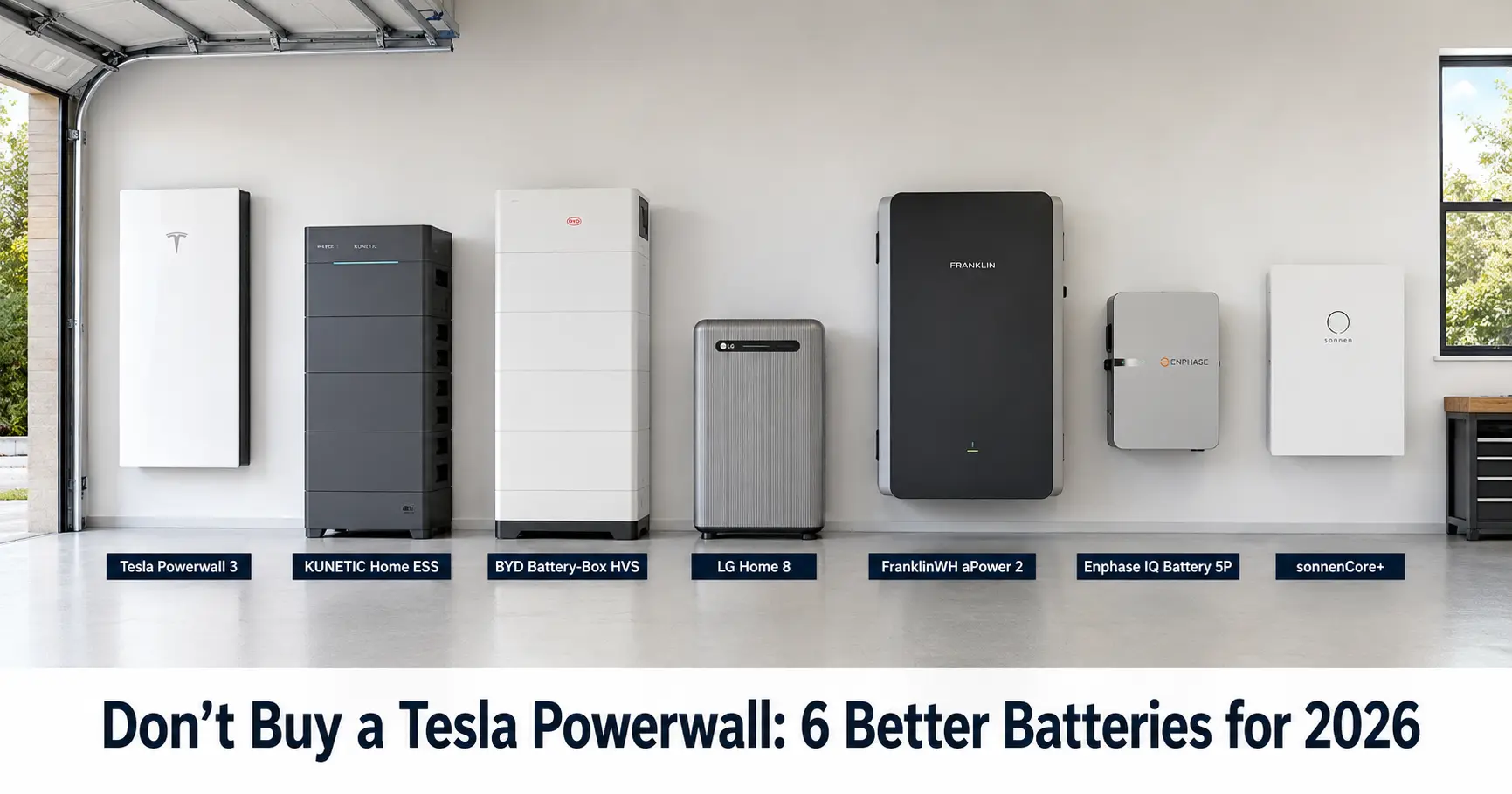
Don't Buy a Tesla Powerwall: 6 Better Batteries for 2026
Quick Answer: If you're shopping for a home battery in 2026, the Tesla Powerwall 3 is not your only option — and it's probably not your best one. After comparing installed costs, warranties, and real-world compatibility across every major brand, six tesla powerwall alternatives deliver comparable performance: KUNETIC Home ESS (best value), BYD Battery-Box HVS (best compatibility), LG Home 8 (best all-in-one), FranklinWH aPower 2 (best backup power), Enphase IQ Battery 5P (best modular system), and sonnenCore+ (best longevity).
1. Why Skip the Powerwall?
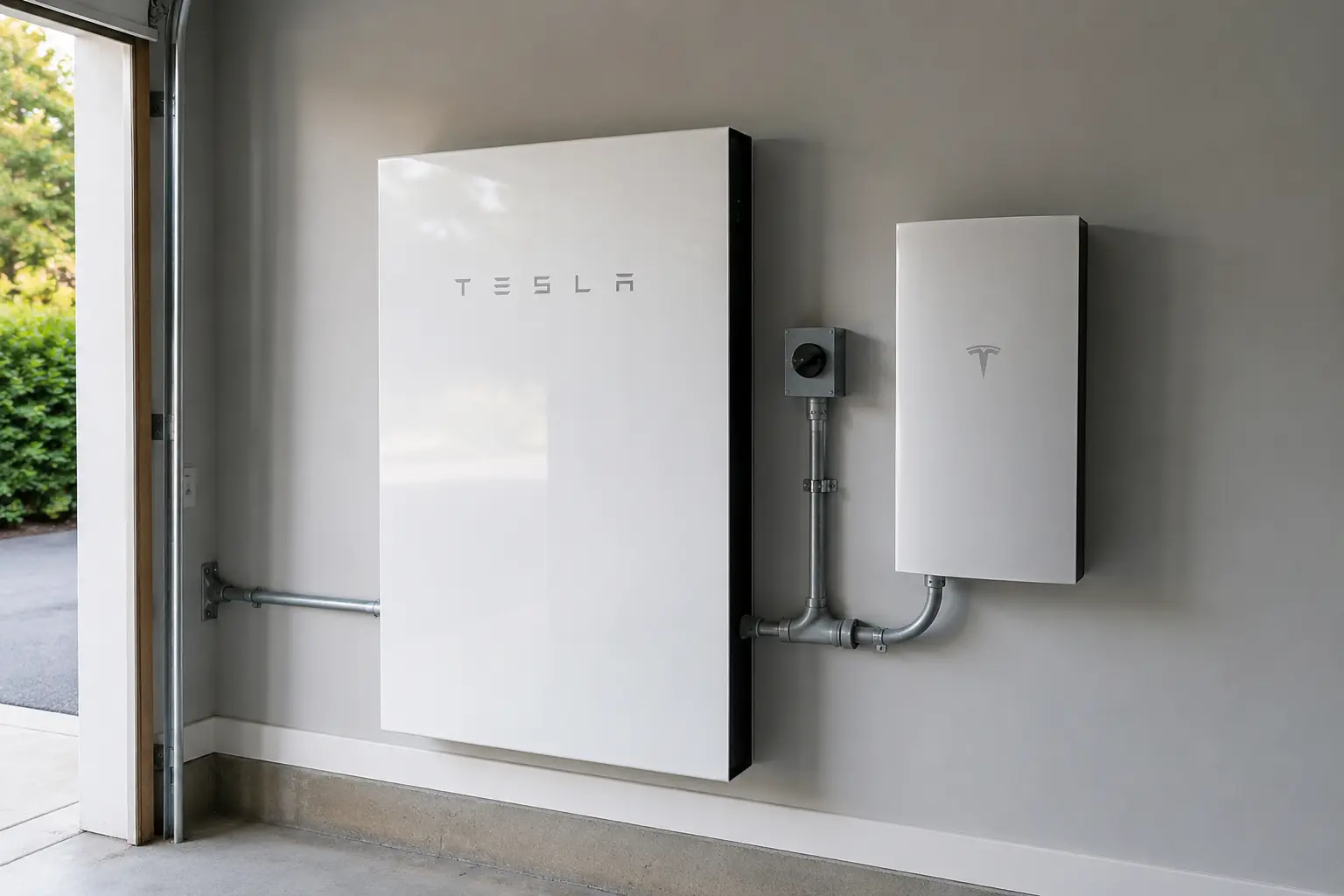
The Powerwall 3 is good hardware. 13.5 kWh. 11.5 kW continuous. A clean app. There's a reason installers default to recommending it. But "the default" isn't the same as "the best" — and in 2026, the Powerwall has three real problems.
It's expensive. An installed Tesla Powerwall costs $12,000 to $16,500. That works out to $900 to $1,200 per kilowatt-hour (kWh) — and you can match or beat its specs for 30-50% less from other manufacturers.
It locks you in. Tesla's ecosystem is designed for Tesla equipment. If you already have a different brand of solar inverter, adding a Powerwall means replacing hardware or accepting a suboptimal setup. And if you want more capacity later? You buy another whole Powerwall. No modular "add 5 kWh" path.
Supply is unpredictable. In November 2025, Tesla recalled over 10,000 Powerwalls due to fire safety concerns. Wait times have historically stretched for months — not the track record you want for a decade-long investment.
The upside: the home battery storage market has matured fast. If you are looking for the best home battery 2026 has to offer, you now have credible options from brands that have been manufacturing batteries longer than Tesla has — and some of them cost dramatically less.
2. Powerwall Alternatives at a Glance
Tesla is included as the benchmark in this home battery comparison. Every price below is an all-in installed range, verified against 2026 installer data.
| Battery | Capacity | Power | Chemistry | Warranty | $/kWh | Best For |
|---|---|---|---|---|---|---|
| Tesla Powerwall 3 | 13.5 kWh | 11.5 kW | LFP | 10 yr | ~$900–1,200 | Benchmark |
| KUNETIC Home ESS | 5–30 kWh | 5–10 kW | LFP | 10 yr / 6,000 cycles | ~$500–700 | Best value |
| BYD Battery-Box HVS | 5.1–22.1 kWh | Inverter-dep. | LFP (CATL Blade) | 10 yr / 6,000 cycles | ~$600–750 | Compatibility |
| LG Home 8 | 14.4 kWh | 7.5 kW | LFP | 10 yr | ~$570–900 | All-in-one |
| FranklinWH aPower 2 | 15 kWh | 10 kW | LFP | 15 yr | ~$1,100–1,300 | Backup |
| Enphase IQ Battery 5P | 5 kWh/unit | 3.84 kW/unit | LFP | 15 yr | ~$1,000–1,200 | Modular |
| sonnenCore+ | 10–20 kWh | 4.8 kW/unit | LFP | 10 yr / 10,000 cycles | ~$1,400–1,800 | Longevity |
3. The Top Contenders
KUNETIC Home ESS — Best Value for Money
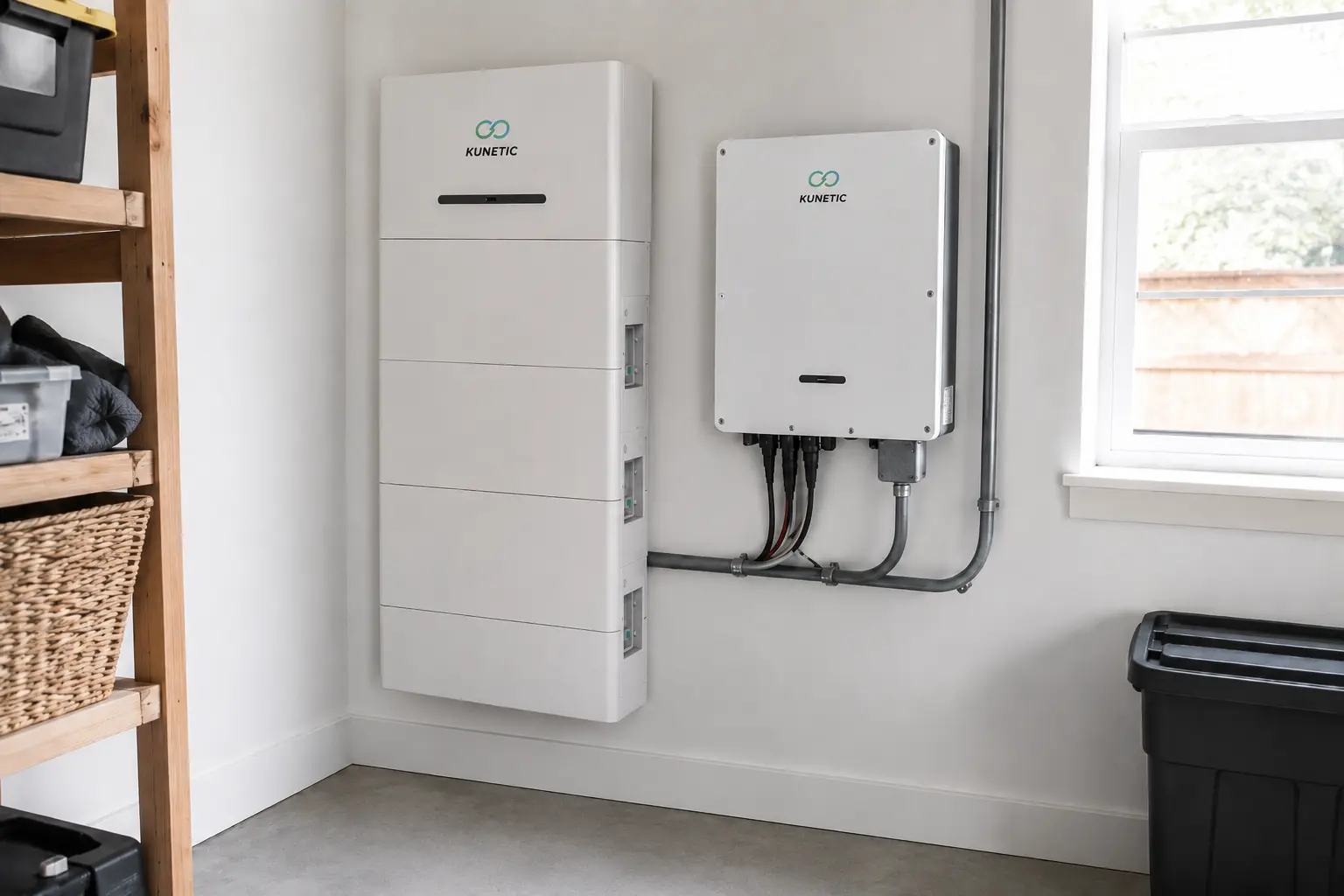
KUNETIC manufactures its own LiFePO4 battery system in-house, which removes the distributor markup baked into most Western brands. The result: installed costs of $500 to $700 per kWh — about 40-50% less than a Powerwall. Each battery module stacks together. Start with 5 kWh and stack to 30 kWh as your electricity needs grow. KUNETIC carries UL 1973, IEC 62619, and CE certifications — the same safety standards Tesla and BYD meet.
Best for: Homeowners who want Powerwall-grade safety and performance without the premium price. Also ideal for off-grid, farm, or multi-property installations where cost per kWh makes or breaks the project. The tradeoff: The app is functional but not as polished as Tesla or Enphase. Installer coverage in the US is still expanding. Real price (10 kWh system): ~$5,500–8,000 installed.
BYD Battery-Box HVS — Best Compatibility
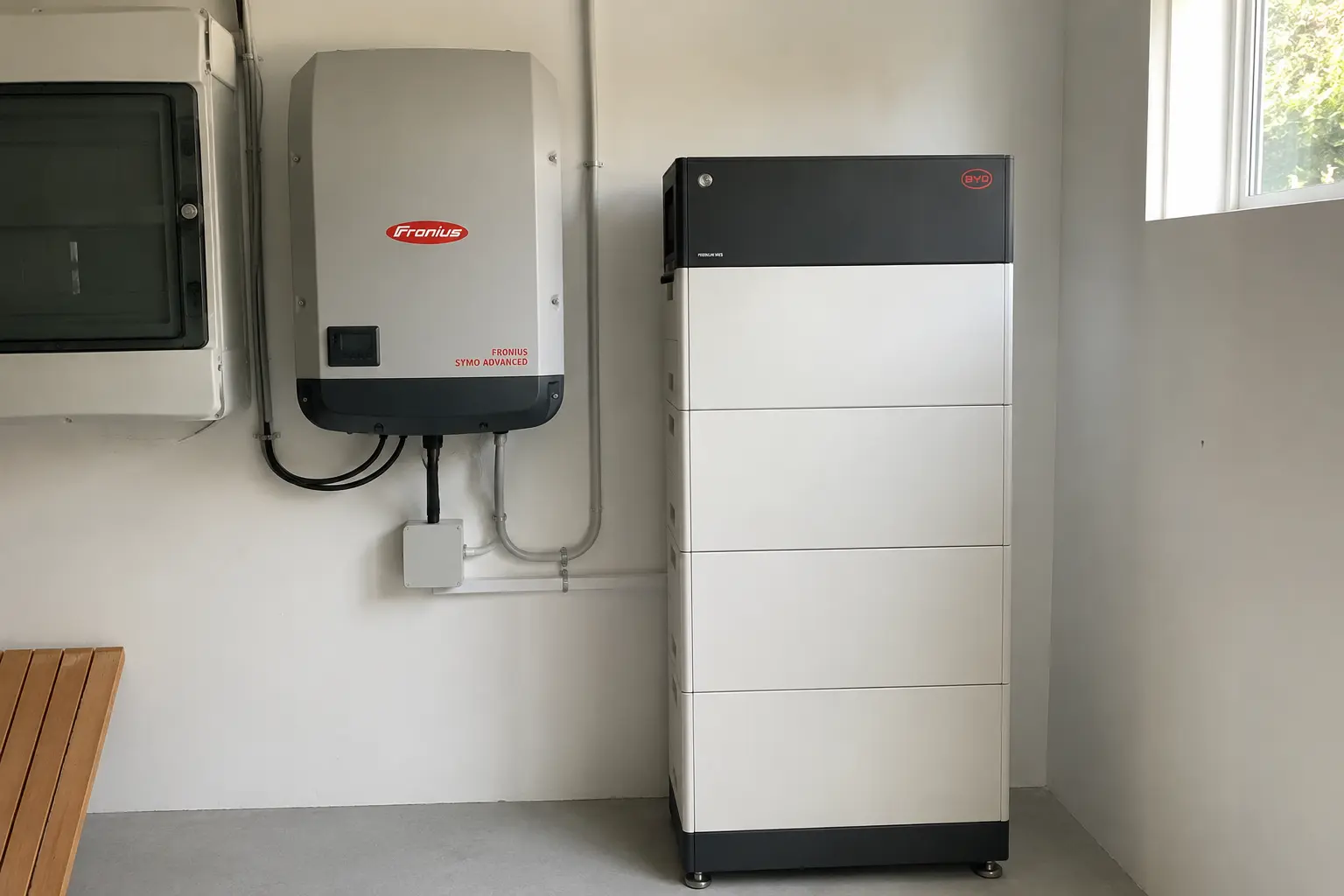
BYD is the world's largest EV and battery manufacturer. The Battery-Box HVS uses CATL Blade LFP cells and works with virtually every major inverter brand: Fronius, SMA, SolarEdge, Victron, GoodWe, Sungrow. No inverter lock-in saves $2,000–4,000 versus switching ecosystems.
The tradeoff: Basic monitoring app. Floor-standing needs more space. US availability trails European dominance. Real price (10 kWh system): ~$8,000–11,000 installed in the US; €600–700/kWh in Europe.
LG Home 8 — Best All-in-One
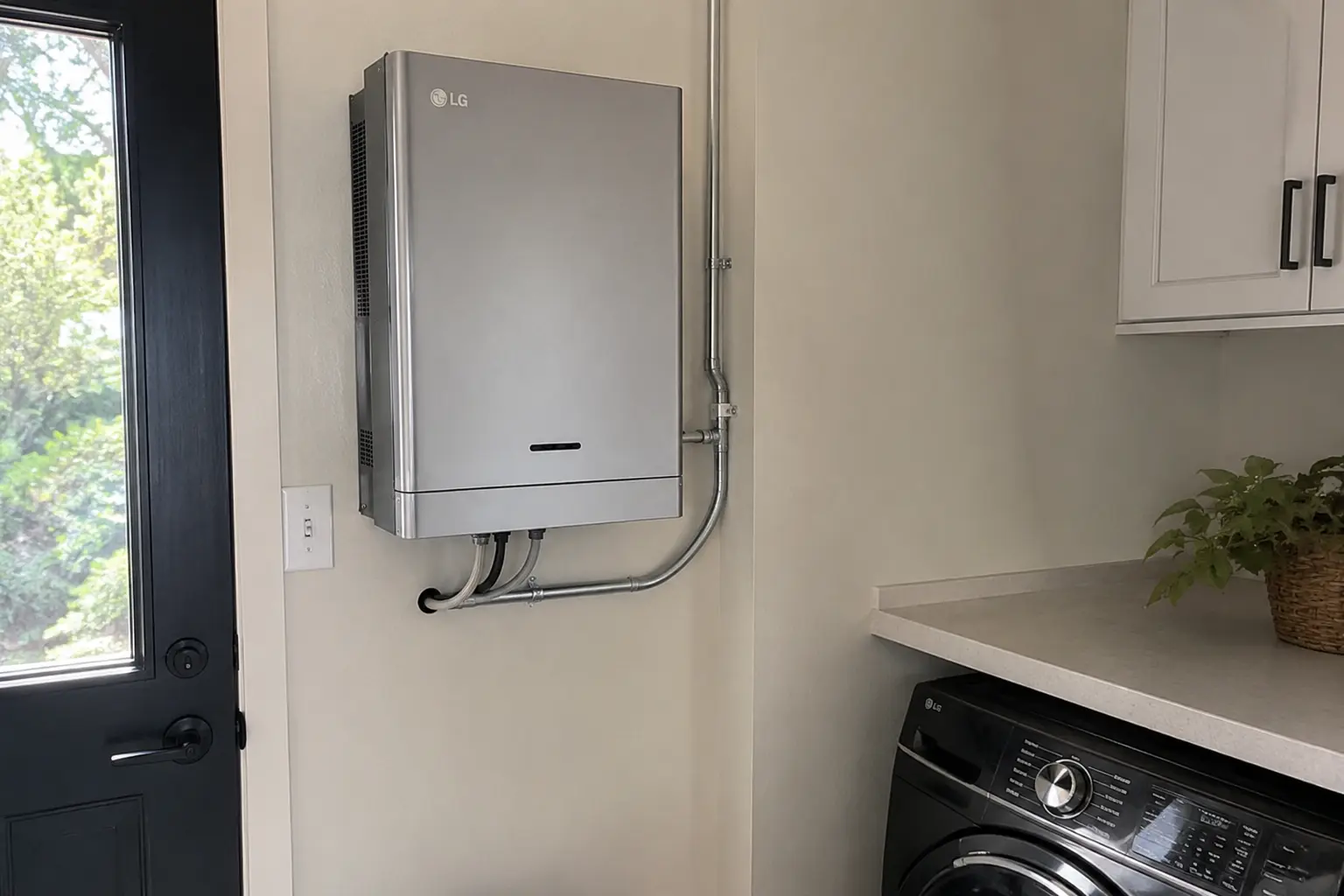
LG's Home 8 packs 14.4 kWh and a built-in inverter into a single compact unit — no separate gateway, no extra boxes. At $570–900/kWh installed, it's one of the better values among name-brand systems.
The tradeoff: 7.5 kW won't start a large AC compressor while running other heavy loads. Real price: ~$8,200–14,000 installed.
FranklinWH aPower 2 — Best Backup Power
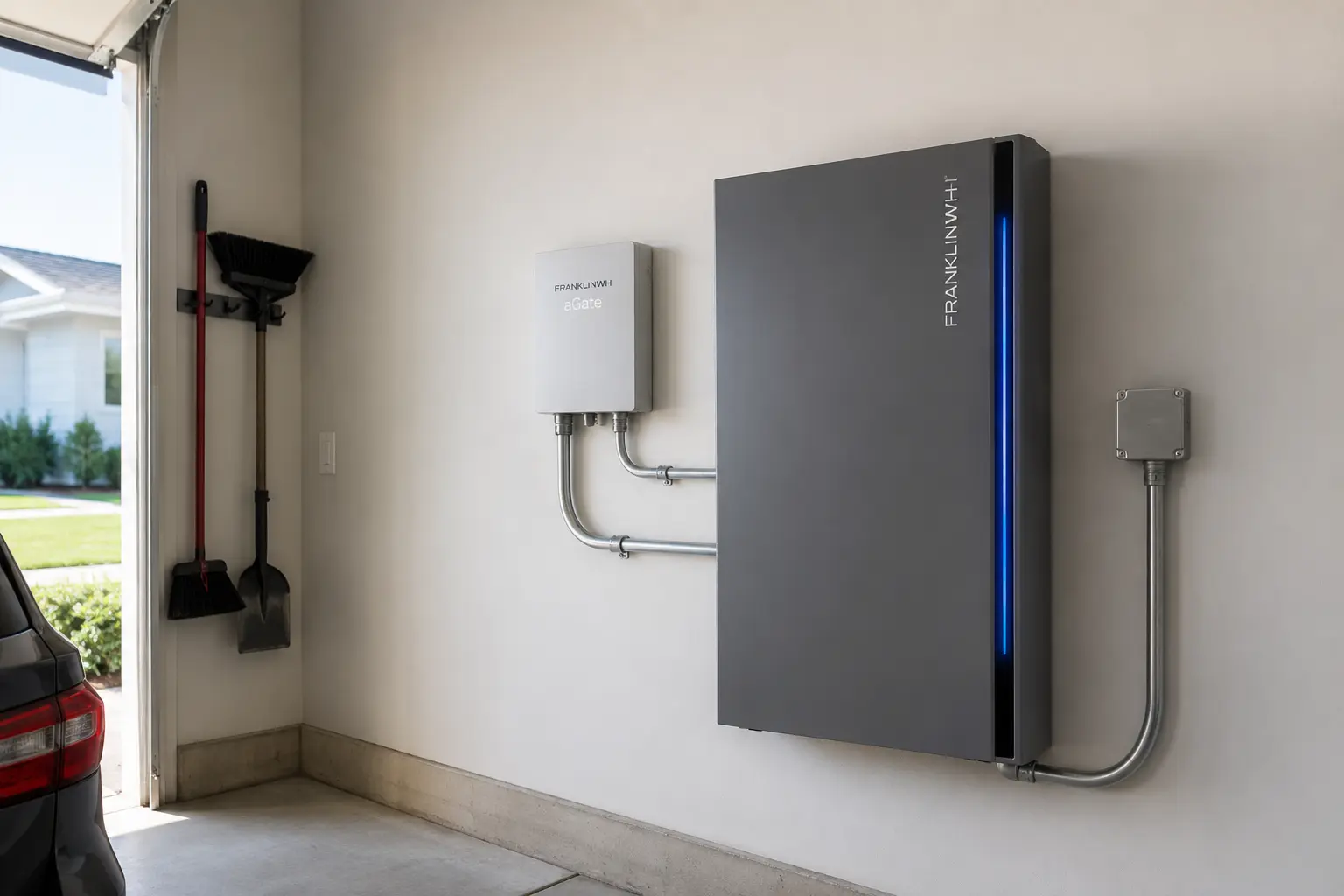
When backup power is the priority, the aPower 2 delivers. 15 kWh capacity. 10 kW of continuous power output. Starts a 5-ton AC unit. Built-in generator port for extended outages. 15-year warranty beats Tesla's 10.
The tradeoff: At ~$17,500–18,000 installed, it's more expensive than a Powerwall. Real price: ~$17,000–20,000 installed.
Enphase IQ Battery 5P — Best Modular System
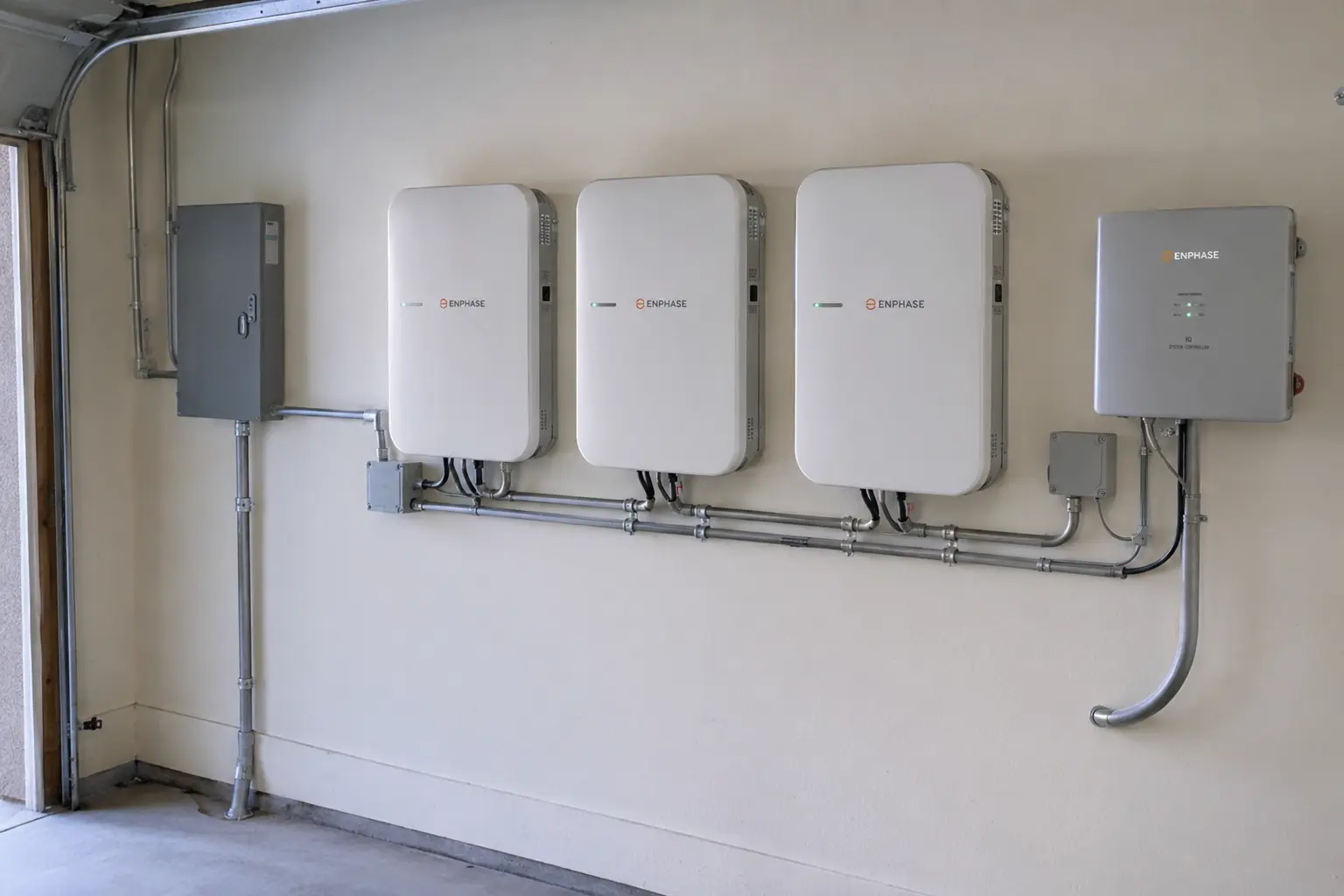
Instead of one big battery, Enphase uses multiple small ones. Each IQ 5P is 5 kWh with its own microinverter — no single point of failure. Scale from 5 kWh to 80 kWh. 15-year battery warranty, 25 years on microinverters.
The tradeoff: Need 3+ units for whole-home backup (~$14,000–18,000). Locked into Enphase ecosystem. Real price (3 units, 15 kWh): ~$14,000–18,000 installed.
sonnenCore+ — Best Longevity
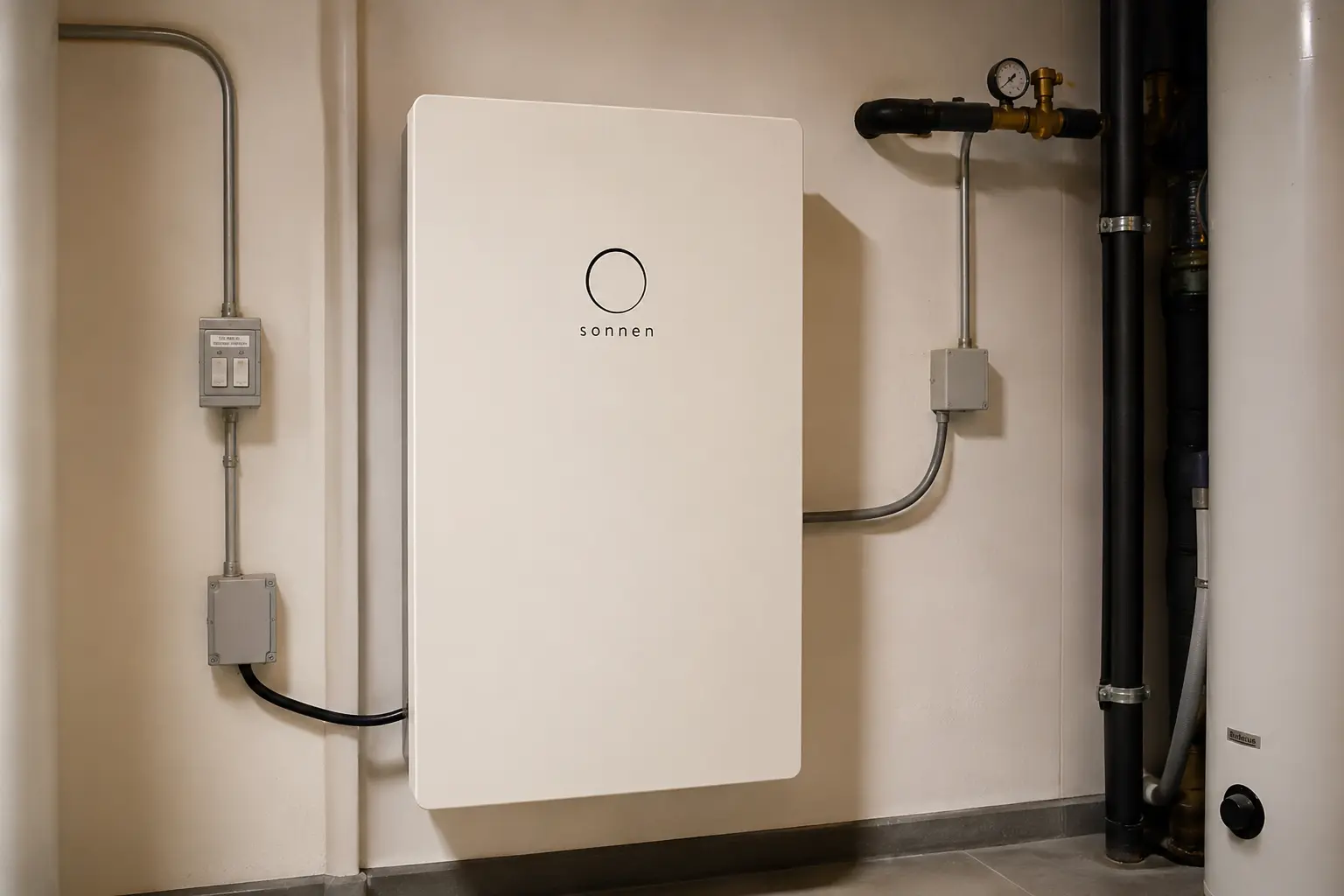
German engineering, now backed by Shell. The sonnenCore+ warrants 10,000 cycles with 80% capacity retention at year 10 — the strongest guarantee in the industry. Completely silent (passive cooling, no fans).
The tradeoff: Most expensive at $1,400–1,800/kWh. 4.8 kW output is lowest in class — may need two units. Indoor only (IP20). Real price (10 kWh): ~$14,000–18,000 installed.
4. Real Costs: What You'll Actually Pay
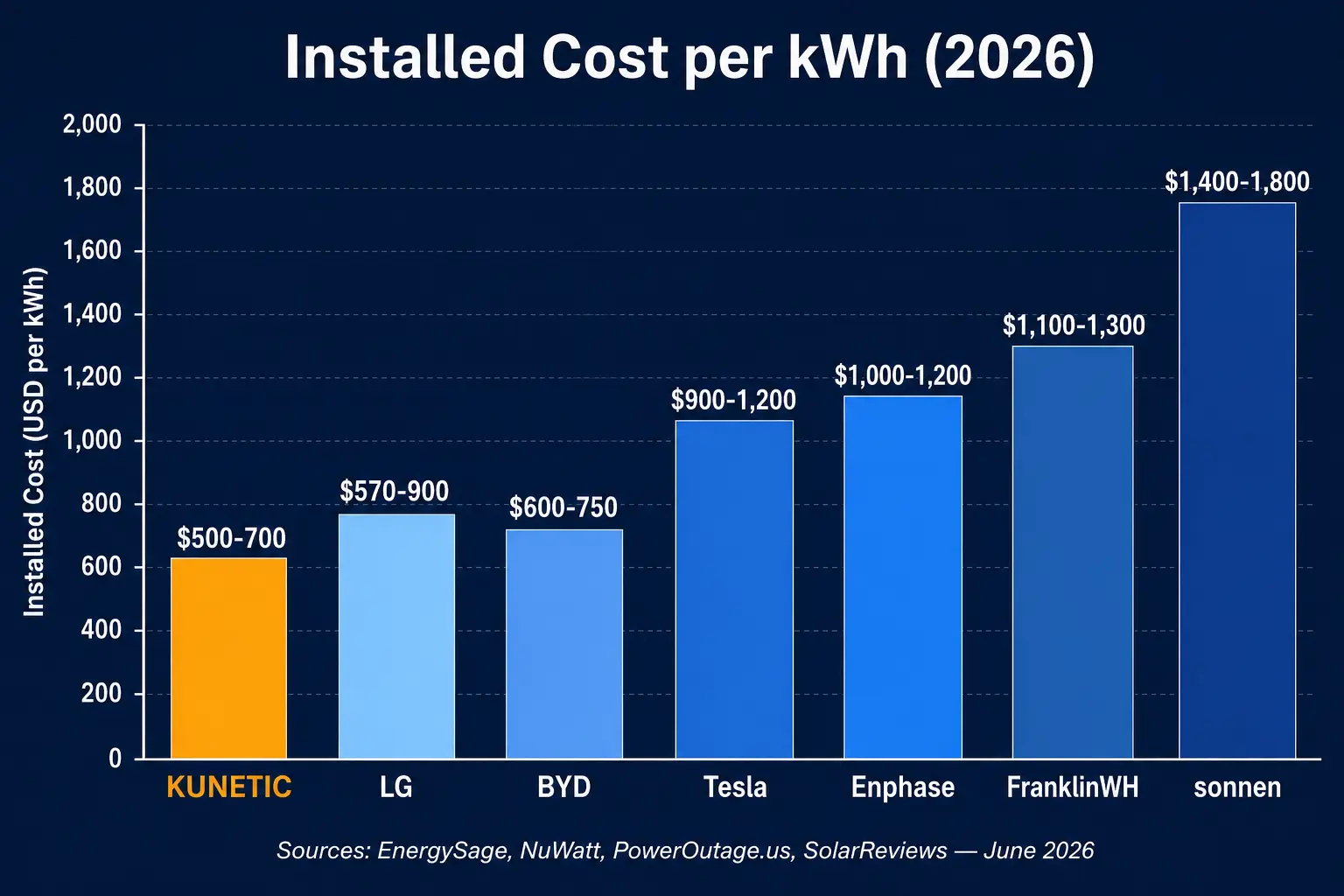
Hardware prices are misleading. Installation, permitting, and electrical work often add 30-50%. Here's the all-in picture, sorted by installed $/kWh from lowest to highest:
KUNETIC Home ESS (10 kWh): Hardware ~$4,000–5,500 → Installed $5,500–8,000 → $500–700/kWh
LG Home 8 (14.4 kWh): Hardware ~$6,000–8,000 → Installed $8,200–14,000 → $570–900/kWh
BYD Battery-Box HVS (10 kWh): Hardware ~$5,000–6,000 → Installed $8,000–11,000 → $600–750/kWh
Tesla Powerwall 3 (13.5 kWh): Hardware ~$8,200–10,000 → Installed $12,000–16,500 → $900–1,200/kWh
Enphase IQ 5P x3 (15 kWh): Hardware ~$9,000–11,000 → Installed $14,000–18,000 → $1,000–1,200/kWh
FranklinWH aPower 2 (15 kWh): Hardware ~$11,500–15,000 → Installed $17,000–20,000 → $1,100–1,300/kWh
sonnenCore+ (10 kWh): Hardware ~$9,500 → Installed $14,000–18,000 → $1,400–1,800/kWh
All prices in USD, verified against 2026 installer data from EnergySage, NuWatt, PowerOutage.us, and SolarReviews. No federal tax credit for direct residential purchase in 2026 (Section 25D expired Dec 31, 2025). The commercial ITC (Section 48E) at 30% remains available through lease/PPA structures.
Why such a big spread? Three things. Where the battery is made — Chinese-manufactured systems (KUNETIC, BYD) ride the world's most mature LFP supply chain. How many middlemen touch it — every distributor layer adds markup. And installation complexity — modular AC-coupled systems go in faster than DC-coupled fixed units, which keeps labor down.
5. How to Pick: Simple Decision Guide
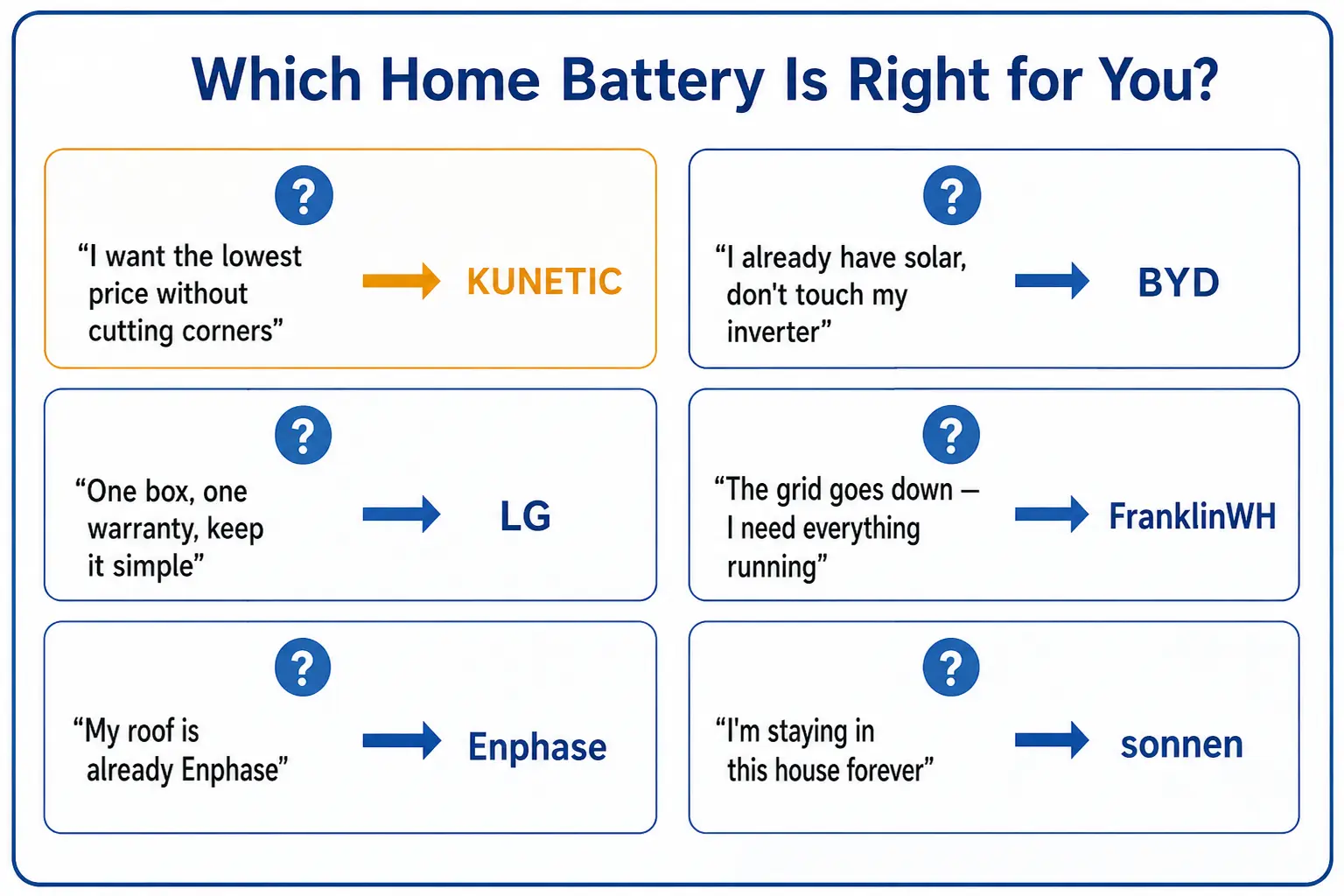
"I want the lowest price without cutting corners" → KUNETIC Home ESS (lowest $/kWh with full UL/IEC certs)
"I already have solar and don't want to change anything" → BYD Battery-Box HVS (works with almost every inverter brand)
"I want it simple — one box, one warranty" → LG Home 8 (all-in-one, no separate components)
"I need the whole house to stay on during outages" → FranklinWH aPower 2 (15 kWh + 10 kW + generator port)
"I already have Enphase microinverters" → Enphase IQ Battery 5P (seamless integration, 15-year warranty)
"I plan to stay in this house 15+ years" → sonnenCore+ (10,000-cycle warranty, 80% retention at year 10)
One More Thing: AC vs DC Coupling
If you already have solar panels, look for an AC-coupled battery (BYD, FranklinWH, Enphase, LG, KUNETIC). It draws from stored energy when the grid goes down — no rewiring, no inverter swap. If building new solar-plus-storage from scratch, dc coupling can be slightly more efficient (96–98% vs 93–95%). Don't let an installer convince you to replace a working inverter.
6. FAQ
What's the best Powerwall alternative overall?
Depends on your priority. Best value: KUNETIC. Best compatibility: BYD. Best backup: FranklinWH. Best longevity: sonnen. No single winner — match your budget, equipment, and timeline.
Is there still a federal tax credit for home batteries in 2026?
Not for direct purchase. The residential ITC (Section 25D) for standalone batteries expired December 31, 2025. The commercial ITC (Section 48E) still covers batteries through 2033 at 30% — accessible via lease or PPA. Check with a tax professional.
Why shouldn't I just buy a Powerwall?
You can — if the price works and you're already in the Tesla ecosystem. Main reasons to look elsewhere: cost (30-50% savings from KUNETIC, BYD, or LG), modular expansion (Powerwall doesn't do "add 5 kWh"), compatibility with non-Tesla equipment, and supply reliability.
Which battery is cheapest?
The KUNETIC Home ESS at $500–700/kWh and LG Home 8 at $570–900/kWh installed are the most affordable name-brand options with full certifications.
How long do these batteries actually last?
Modern LFP batteries last 10–15 years or 6,000–10,000 full charge cycles. Most brands warrant 70% capacity at year 10 — sonnenCore+ guarantees 80%. BMS and cooling design affect real-world lifespan more than cell chemistry alone.
Will one battery power my whole house during an outage?
Depends on power output and peak load. FranklinWH aPower 2 (10 kW) or Tesla Powerwall 3 (11.5 kW) can run most homes including AC. Enphase 5P (3.84 kW/unit) or sonnenCore+ (4.8 kW) need 2-3 units for whole-home backup.
7. Bottom Line
The home battery market has grown up. In 2026, you don't need to pay Tesla's premium to get Tesla-grade protection. For a long-term investment, BYD, LG, KUNETIC, and FranklinWH have closed the performance gap — and on price, they've pulled ahead.
The shortlist: Budget-first: KUNETIC or LG. Compatibility-first: BYD. Backup-first: FranklinWH. Ecosystem-first: Enphase. Longevity-first: sonnen.
KUNETIC Energy manufactures LiFePO4 residential battery systems from 5 kWh to 30 kWh. Our systems are UL 1973 and IEC 62619 certified, compatible with most major inverter brands, and priced so that energy storage makes financial sense — not just for premium homes, but for everyday households. Explore KUNETIC Home Battery Solutions or request a quote — our engineers will design a system around your actual usage, not a template.
Last updated: June 29, 2026. Prices sourced from EnergySage, PowerOutage.us, NuWatt Energy, and SolarReviews. Always verify current pricing and incentive eligibility with local professionals.