
 English
 Deutsch
 Español
 Français
 Italiano
 Polski
 Română
 العربية
01
During solar production
The solar inverter supplies the connected loads and charges the battery when generation is available. How much energy can be stored depends on solar output, site demand and the inverter's charging settings.
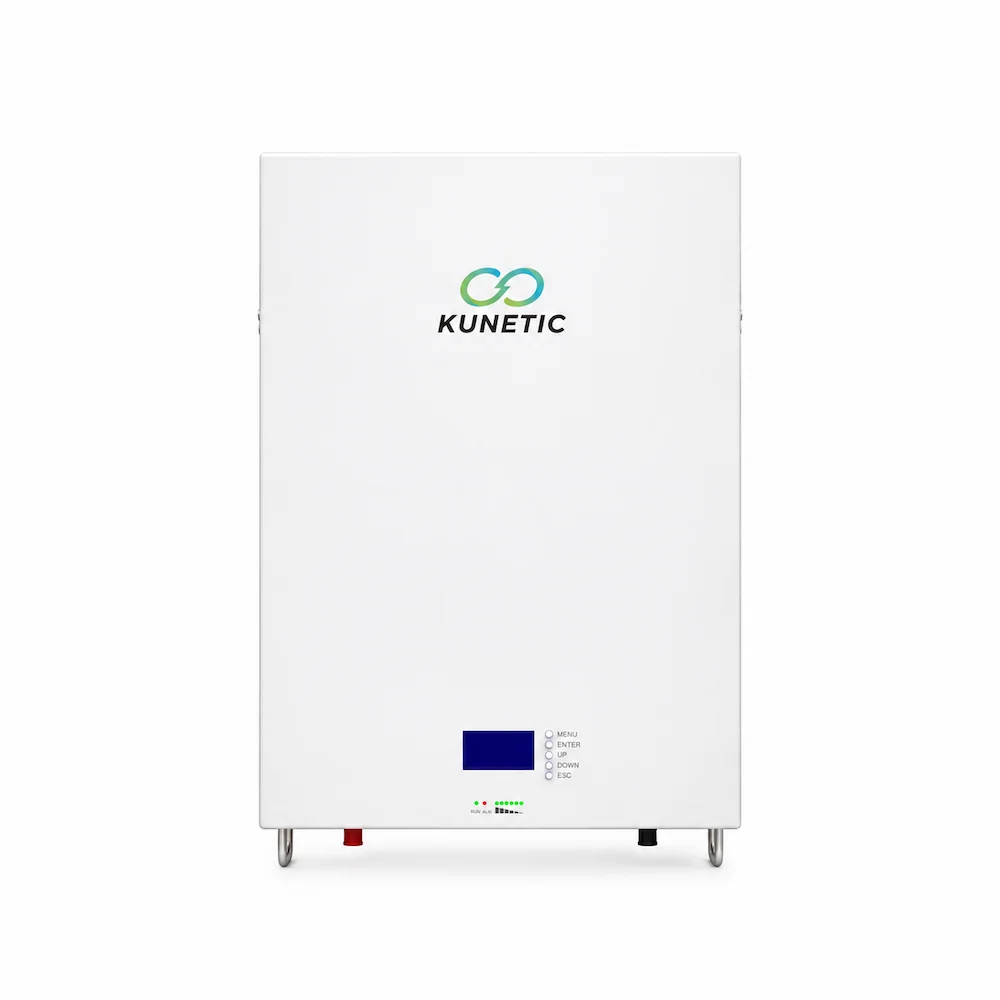
Indoor solar battery storage
Store daytime solar energy for evening use and selected backup loads. This wall-mounted 10kWh battery provides 10.24kWh of LFP energy storage in a compact metal enclosure, leaving the floor clear in a home utility room or small-business equipment area. Pair the 51.2V, 200Ah battery with a suitable low-voltage inverter. Check battery status on the front LCD and indicator lights, and choose optional communication or monitoring to suit your system.
 10.24 kWh Nominal LFP Energy
 51.2 V Nominal DC Voltage
 200 Ah Battery Capacity
 Wall-mounted Indoor IP20 Enclosure
Made for your indoor space
Keep the battery off the floor and the front panel easy to reach. This wall-mounted format brings 10.24kWh of storage to a dry indoor utility space.
The metal enclosure measures 690 × 485 × 226mm. A wall-mounted layout leaves the floor available for access, storage and other equipment in a dry indoor utility space.
The 51.2V, 200Ah LFP lithium-ion battery provides 10.24kWh of nominal energy. With a compatible inverter, store available solar generation for household or shop demand after sunset.
The listed life is at least 6,000 cycles at 25 ± 2°C, 0.5C charge/discharge and 70% end-of-life capacity. Both charging and discharging allow up to 100A on the battery side.

Check status on the front LCD and indicator lights. Optional CAN, RS485 or RS232 communication connects the battery to the selected equipment; Bluetooth/WLAN monitoring is also available as an option.

Solar storage & backup
Solar production and electricity use do not always happen together. A battery stores part of the daytime surplus so it can serve evening lighting, appliances or selected business loads through the inverter.

01
The solar inverter supplies the connected loads and charges the battery when generation is available. How much energy can be stored depends on solar output, site demand and the inverter's charging settings.
02
Stored energy can supply selected circuits through the inverter as solar production falls. Prioritize the appliances and circuits you need, then match their combined power demand to the system.
03
A backup-capable inverter and the appropriate switching arrangement can use the battery to support selected loads during an outage. The inverter determines the AC output and transfer behavior; the battery provides the stored DC energy.
Applications
The same wall-mounted format suits different indoor settings. Choose the loads and equipment arrangement around the space you have and what you want to keep powered.

Install in a dry garage or utility room near the matching inverter. Store surplus rooftop generation for evening use, and plan backup around essential circuits such as lighting, refrigeration and connectivity.
Keep battery equipment away from the sales floor. A back-office or equipment-room installation can support selected lighting, network equipment and business loads without taking up a floor-standing battery position.
Combine storage with a suitable solar inverter for a home where grid supply is less predictable. Give the installer the expected daily use and backup priorities to size the solar array, inverter and battery together.
Choose your setup
Connect this 51.2V DC battery to a matching low-voltage solar or battery inverter, which is selected separately. For an existing installation, send us the inverter model to review its voltage range, charging current and communication option.
The 10.24kWh rating describes stored energy. AC output power depends on the matching inverter and battery operating limits. Available runtime depends on usable energy, average load, inverter losses and your backup reserve.
Choose wall mounting to keep floor space available. For equipment rooms built around multiple modules, compare our 10.5kWh server rack battery. For an integrated battery-and-inverter format, see the three-phase solar battery system.
Technical Specifications
Engineering data from the product sheet.
| Battery chemistry | Lithium iron phosphate (LiFePO4 / LFP) |
| Nominal voltage | 51.2V DC |
| Rated capacity | 200Ah |
| Nominal energy | 10.24kWh |
| Cell configuration | 16S2P |
| Maximum charge current | 100A |
| Maximum discharge current | 100A |
| Charge cut-off voltage | 57.6V DC |
| Discharge cut-off voltage | 43.2V DC |
| Listed cycle life | ≥6,000 cycles at 25 ± 2°C, 0.5C/0.5C, EOL 70% |
| Enclosure / mounting | Metal / wall-mounted |
| Protection rating | IP20; indoor installation |
| Dimensions (H × W × D) | 690 × 485 × 226mm |
| Net weight | 88kg |
| Charging temperature | 0 to 50°C |
| Discharging temperature | −20 to 50°C |
| Storage temperature | −20 to 50°C |
| Storage relative humidity | 60 ± 25% |
| Communication protocol options | CAN / RS485 / RS232 |
| Monitoring options | Bluetooth / WLAN |
| Inverter | External; selected to match battery voltage, current and communication |
Technical Data Downloads
Request the battery specifications and connection information for your inverter. Include the inverter model, installation country and intended loads so we can help you select the relevant options.
It is a 10.24kWh nominal-energy battery, often described as a 10kWh-class battery. It does not include an inverter. The matching inverter and battery operating limits determine the power available to your AC loads.
Divide usable battery energy by average load for an initial estimate, then allow for inverter losses and your backup reserve. Actual runtime changes as appliances switch on and off. Share the essential appliances and their use times so we can help estimate the storage you need.
Yes, as part of a system with a suitable battery-capable inverter. Solar panels do not connect directly to this battery. If you already have solar, send the inverter model so the battery voltage, current limits and communication can be checked together.
This version is rated IP20 and is intended for a dry indoor location. A utility room, garage or suitable equipment room can keep it protected from rain and direct weather exposure. Keep the installation within the listed temperature limits.
The battery enclosure is 690mm high, 485mm wide and 226mm deep, with a net weight of 88kg. Use a suitable load-bearing wall and a professionally specified mounting method. Leave space for cable routing, access and the clearances in the installation instructions.
Bluetooth and WLAN monitoring are optional. CAN, RS485 and RS232 communication options are also listed. Tell us which monitoring method and inverter you plan to use so the appropriate configuration can be selected.
The selected communication and monitoring options, order quantity and delivery destination affect the quotation. Send these details together with your inverter model for a battery offer suited to your installation.
OEM / ODM support
KUNETIC supports OEM/ODM discussions for branding, product appearance and equipment configuration. Share your target market, preferred communication interface and quantity so we can review a suitable wall-battery option for your product range.
Discuss your product requirements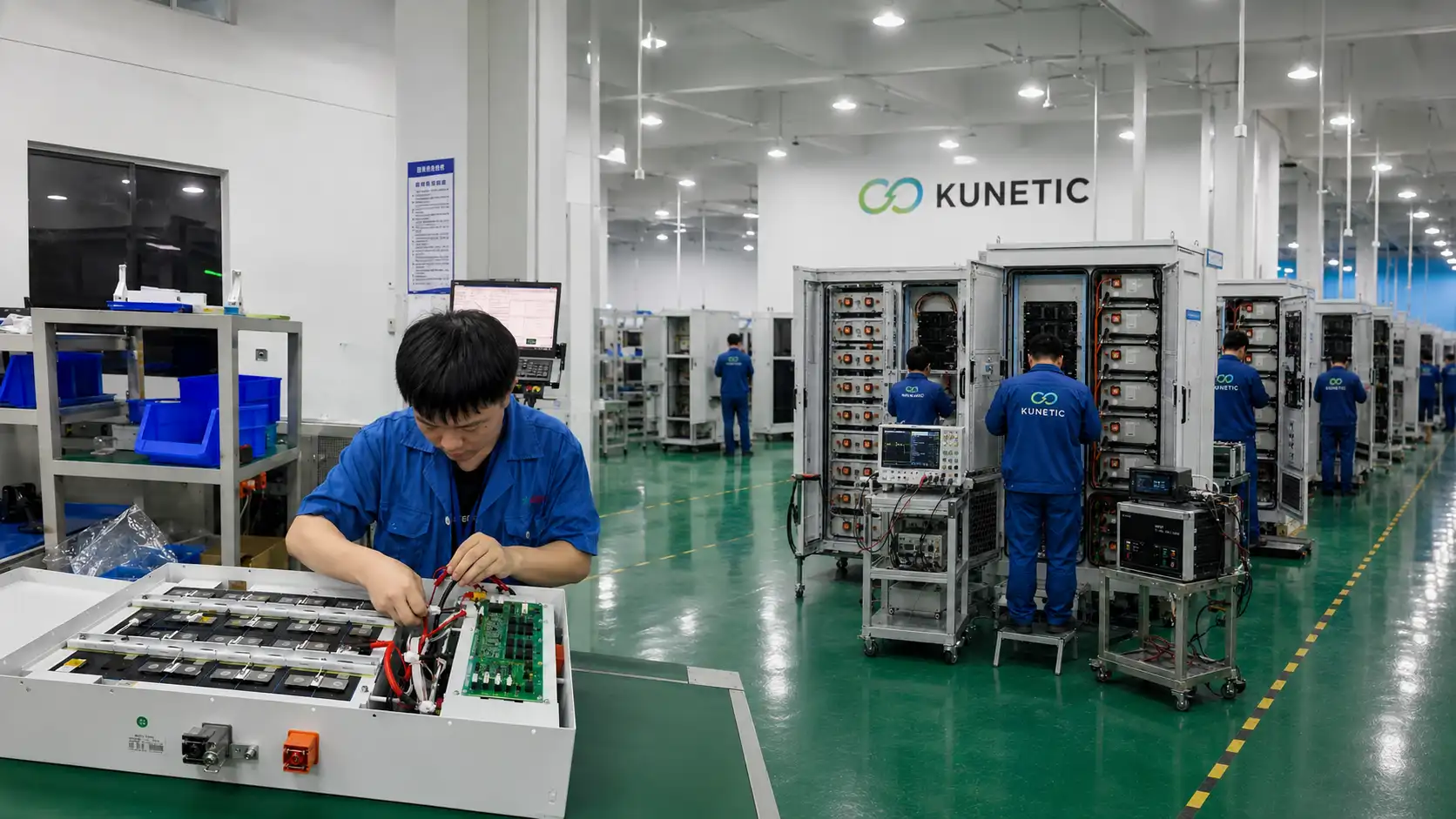
Tell us your inverter model, installation country and the loads you want to support. We will help you review the 10.24kWh battery configuration, communication options and supply requirements.
KUNETIC 10kWh Battery for Wall-Mounted Solar Storage
Datasheet request
Request received. We will send the datasheet shortly.
KUNETIC 10kWh Battery for Wall-Mounted Solar Storage
Product inquiry
Tell us about your site load, PV capacity, backup requirements, or target project size. Our engineers will help configure the right system for your needs.
Inquiry received. Our team will respond shortly.