
 English
 Deutsch
 Español
 Français
 Italiano
 Polski
 Română
 العربية
Use solar after sunset
Store surplus solar energy for evening refrigeration and pumping. Cover loads that cannot move to sunny hours.

Store daytime solar for evening pumps and cold rooms.
Compare battery backup with pumping into a water tank.
Product-based application illustration
Store surplus solar energy for evening refrigeration and pumping. Cover loads that cannot move to sunny hours.
Separate the equipment that must keep running from jobs you can delay. Size the backup around those priorities.
Look at usable energy, motor-starting power and the equipment supplied. A cabinet count alone tells you very little.
Battery storage for farms lets you use stored solar when generation falls. With suitable backup equipment, it can also supply chosen loads during a power cut.
An irrigation pump that can run at noon may need water storage. A cold room that runs overnight needs an electrical energy budget. Motors also need enough power to start.
KUNETIC helps you compare storage equipment around your loads, existing solar and generator. Start with the work that needs power and the hours it must run.
Discuss Your Loads & Hours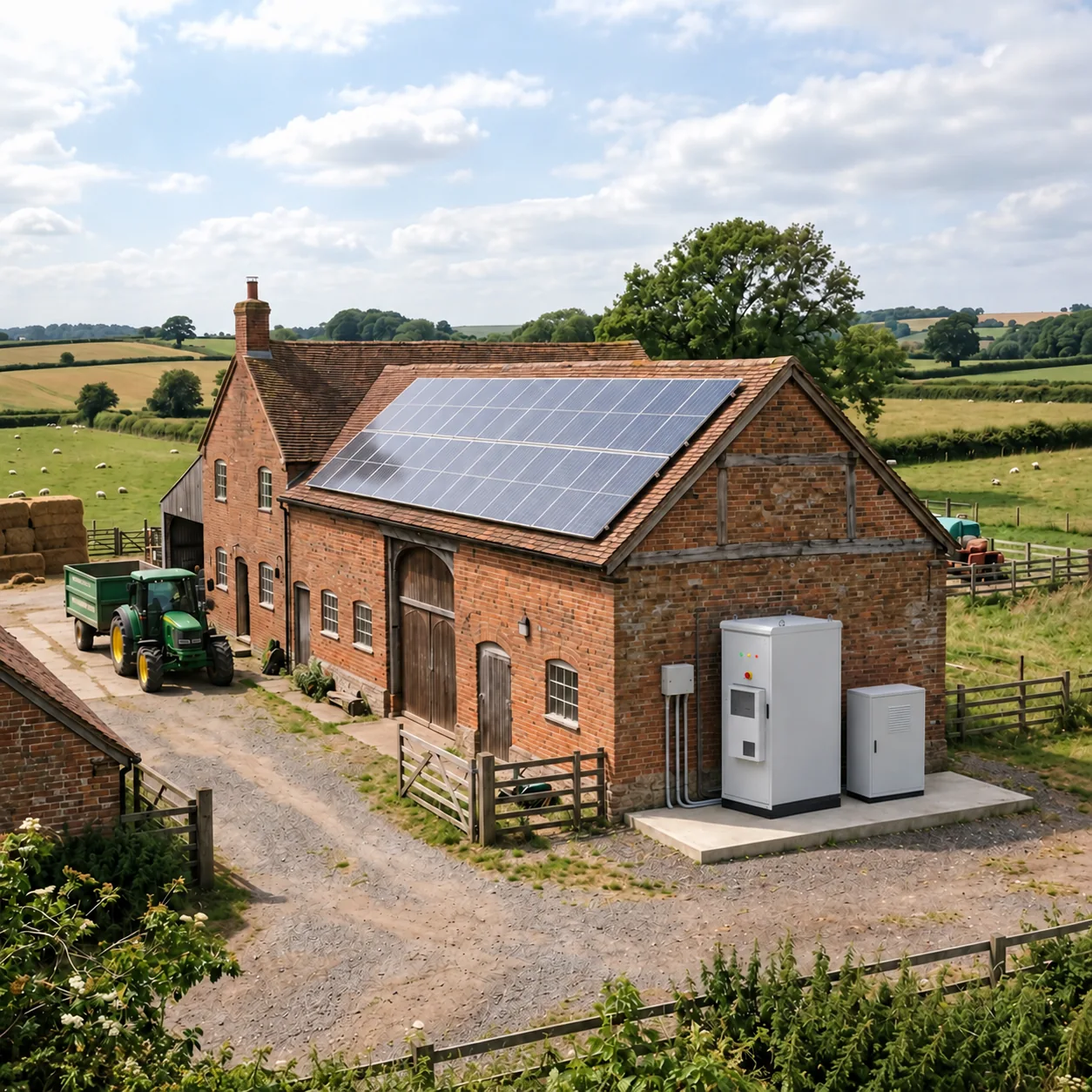
A complete system needs generation, storage, power conversion and load controls.
Solar panels and a PV inverter provide daytime electricity.
The battery stores DC energy; an external PCS converts it to AC.
A pump controller or drive manages the irrigation motor.
Switchgear and controls connect the chosen sources and loads.
This example shows an AC-coupled system. Existing inverters and backup requirements determine the final layout. Send their model numbers before choosing new equipment.
Review My Existing Equipment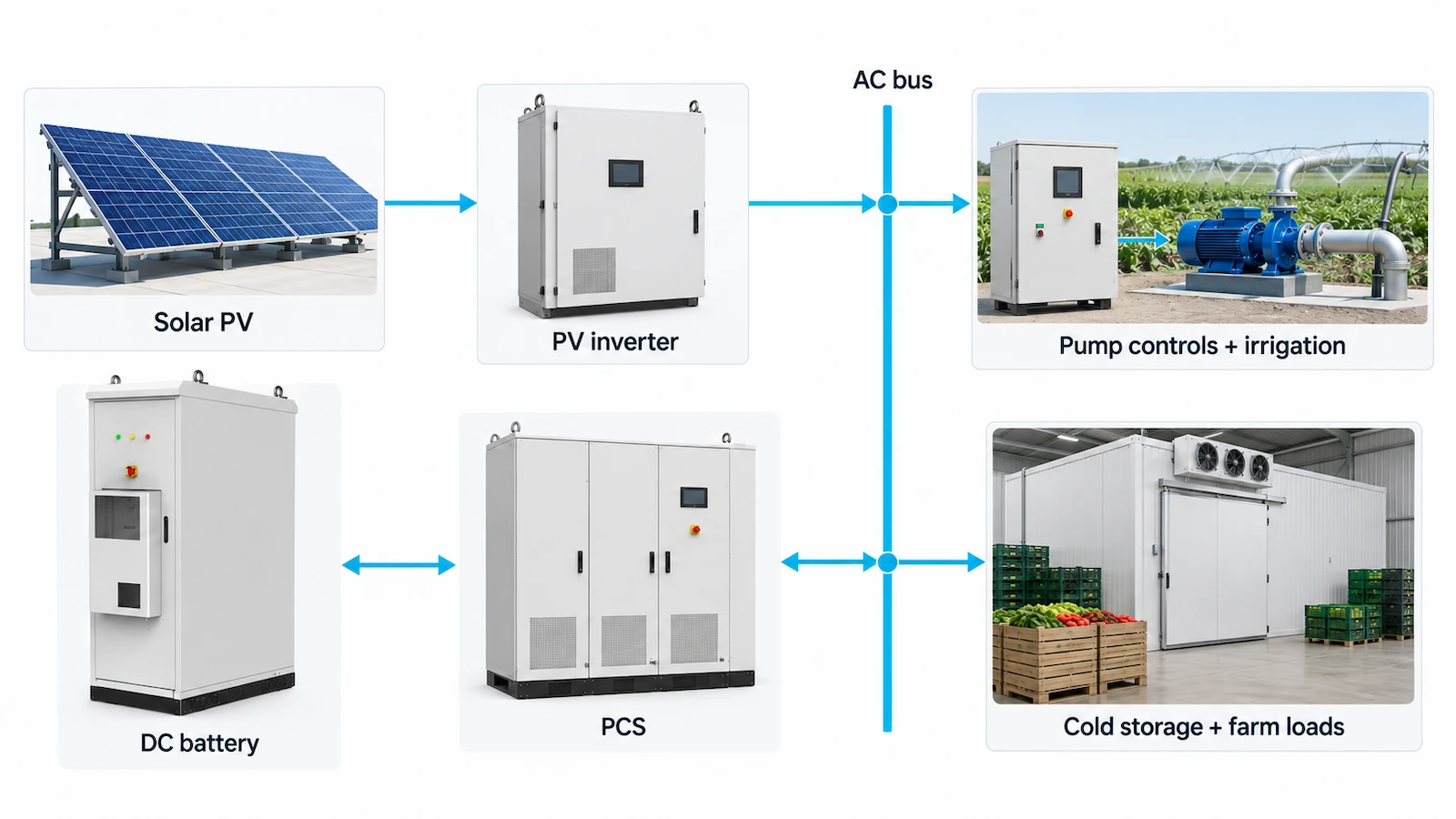
Borehole, drip and sprinkler pumps need the right flow and pressure. Record daily water demand, pumping head and hours.
Lighting and controls may need less power than the main farm. A separate load list can help avoid backing up unnecessary equipment.
Sorting lines, compressors and washing equipment can overlap. Note which motors start together and which jobs can run in daylight.
Fans, feeders and water controls have different backup priorities. Identify what must stay powered during the longest expected interruption.
Cooling demand continues beyond daylight. Measure compressor cycles and overnight consumption instead of assuming a constant load.
Conveyors and electric drying equipment can raise demand at harvest. Use the busy-season schedule when comparing system sizes.
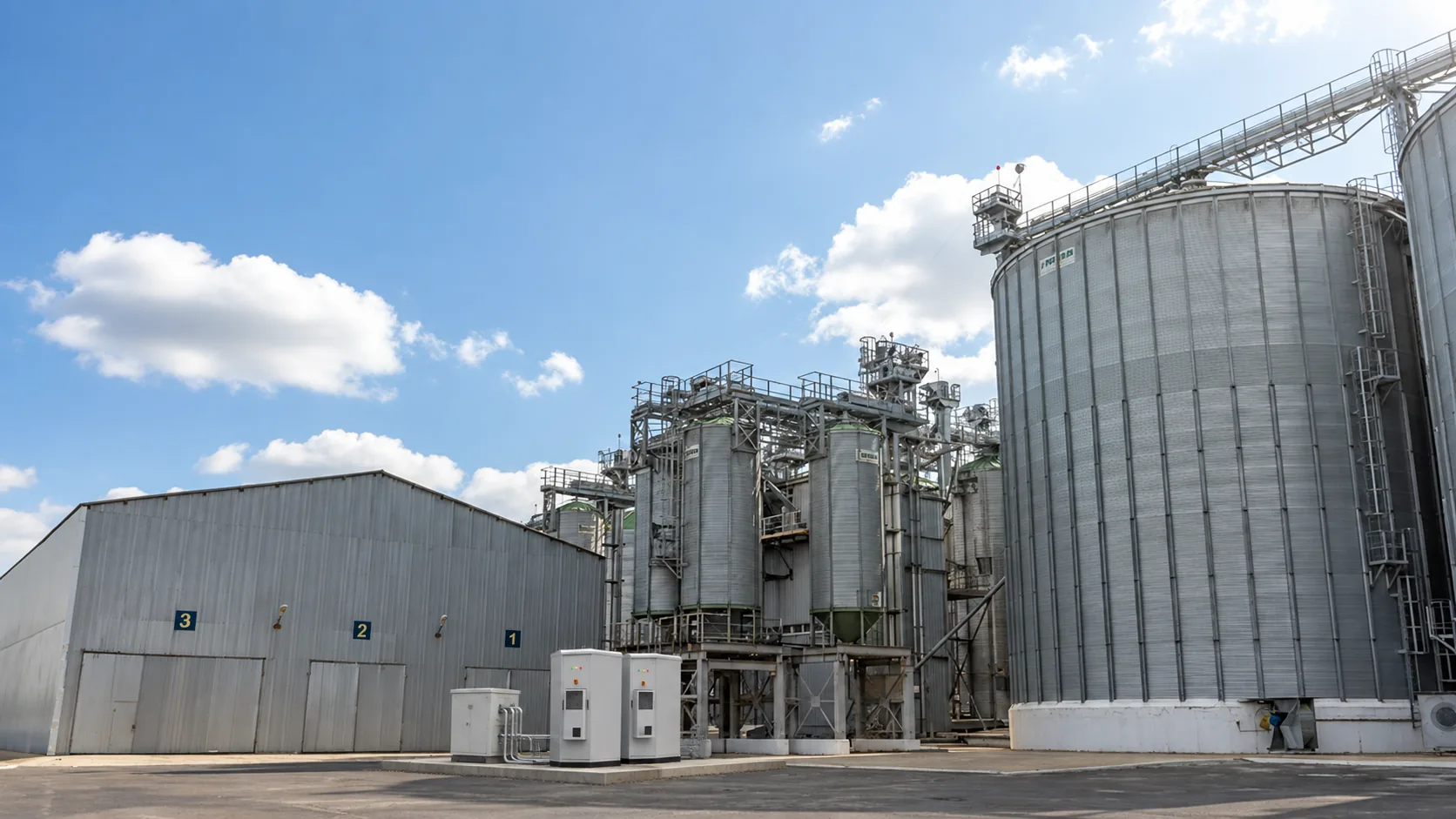
Check these five parts of a farm energy storage system.
eBlock stores energy in lithium iron phosphate batteries. The cabinet includes battery management and temperature control.
A compatible external power conversion system (PCS) supplies AC power. Its continuous output and starting capability must suit your loads.
Adding storage starts with the PV inverter model, voltage and wiring. These determine which connection options are available.
Decide how essential circuits transfer when the grid fails. Backup operation needs suitable conversion, switching and controls.
eBlock has an IP54 enclosure. The installation still needs drainage, clear service access and a location that meets equipment requirements.
DAYTIME PUMPING OR EVENING ELECTRICITY?
A tank can supply water after the pump stops. It cannot power a cold room or ventilation fan. Separate these needs before spending on storage.
Application illustration
Start with a pump nameplate photo and the hours you need it to run. Tell us your main goal. It may be irrigation, cold-room backup, less diesel use or storing more solar power.
Compare equipment options and identify missing site data. Ask for battery energy, PCS power, controls and supply scope in writing. List installation costs separately from the equipment price. Confirm who handles installation and commissioning.
Request a Farm Storage Proposal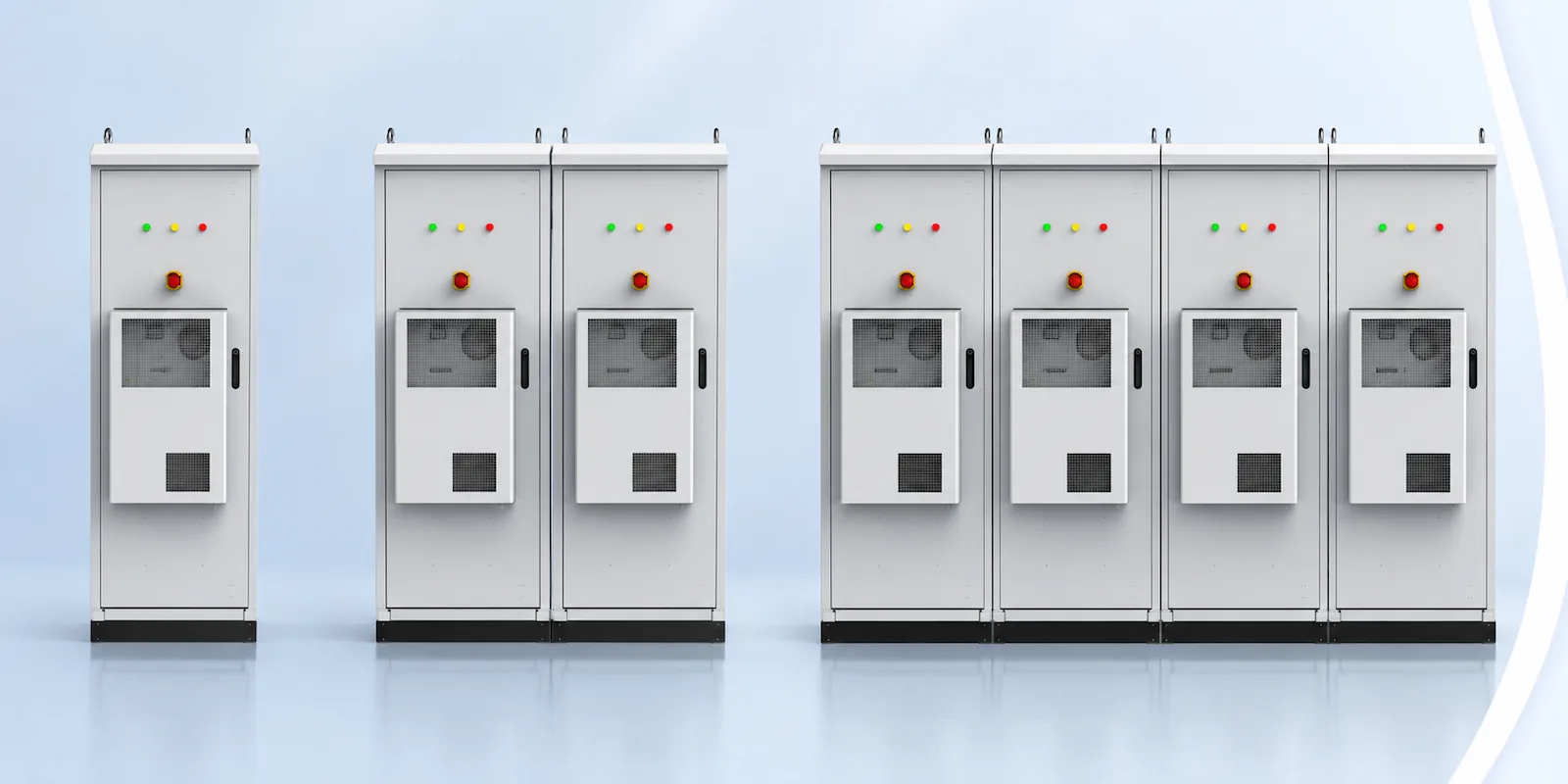
For an illustrative measured load, 15 kW × 4 hours = 60 kWh at the equipment. This is the energy demand before allowing for conversion losses and reserve; it is not a cabinet recommendation.
Energy: add the loads and hours you want to cover.
Power: check running demand and motor starts separately.
Equipment: eBlock offers up to 120 kWh maximum installed capacity per cabinet, with an external PCS.
Look for surplus solar at midday and electricity demand later in the day. Farm battery storage can move some of that energy into evening use. Demand management is another option when the tariff rewards reducing peaks.
Compare the cost of stored energy with grid electricity and the export payment you give up. Include battery losses and wear. The Teagasc dairy-farm solar guide explains why load timing matters. Use local prices for your own cost comparison.
For costs, see our commercial battery storage cost guide. Include backup switching in the quote if selected equipment must run during a power cut.
Read the Peak Shaving Guide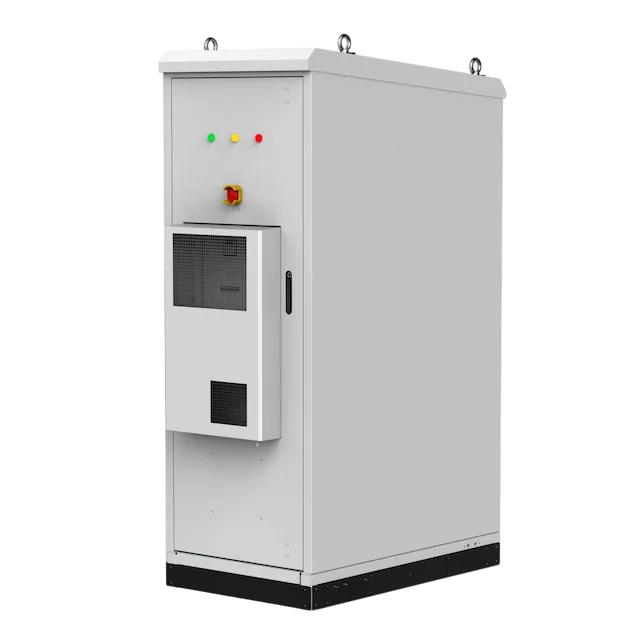
Start with your country, pump nameplate photos and the equipment that needs power. Add daily hours, existing solar or generator details, and the problem you want to solve. Estimates are enough for the first discussion.
For irrigation, compare pumping during daylight with storing water for later. For evening loads, calculate the energy needed. For a remote farm, include the generator and the plan for low-solar periods.
The proposal should state usable battery energy, PCS output and the starting-load assumptions. It should also list protection, controls, delivery and installation responsibilities. Resolve compatibility questions before placing the order.
Application concepts to help define your requirements.
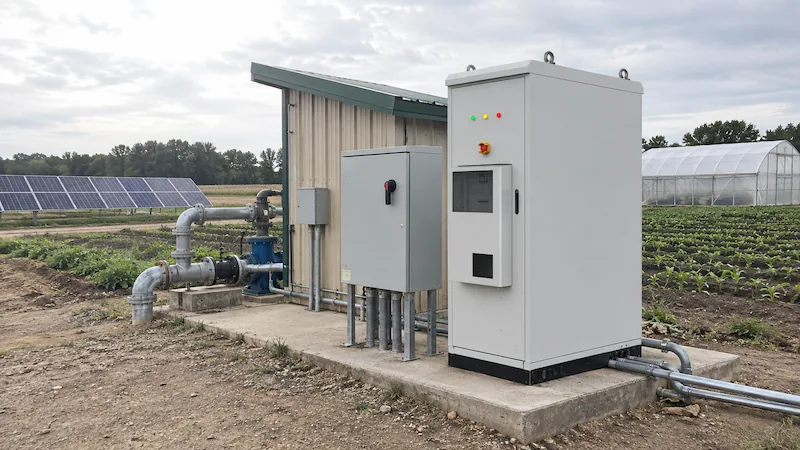
APPLICATION CONCEPT
If you can pump during daylight and store enough water, compare a solar pumping system before adding batteries. Flow, pumping head and irrigation pressure decide whether this approach fits. Night pumping or other evening loads change the energy requirement.
Does Irrigation Need Batteries?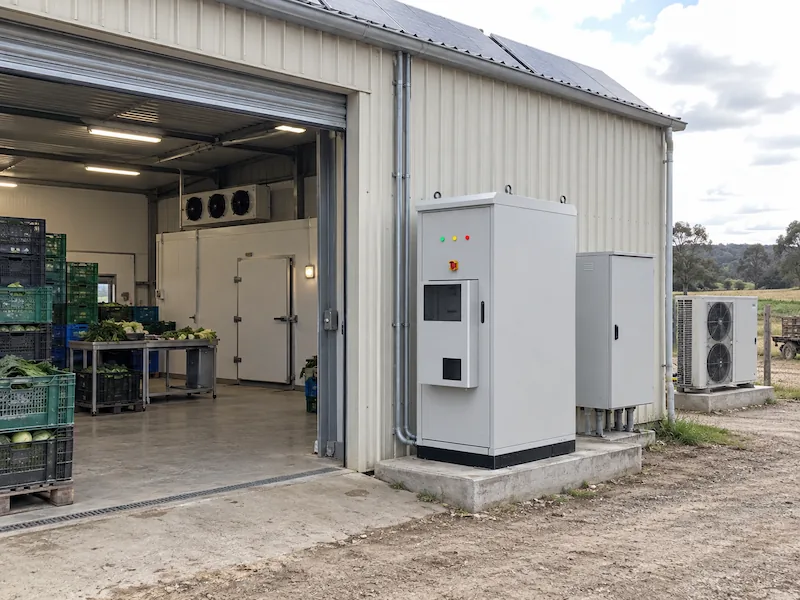
APPLICATION CONCEPT
Use an overnight load record to size the energy needed for refrigeration. Include compressor starts and the cooling duty during hot weather. Choose the backup circuits and required hours before comparing battery cabinets.
See the Sizing Example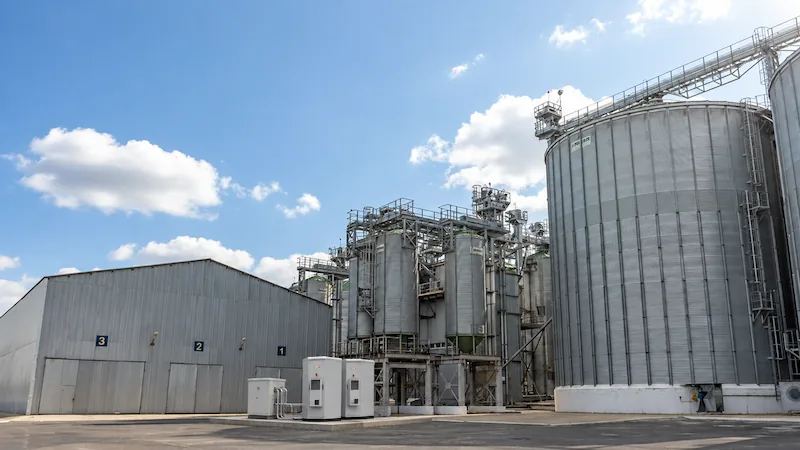
APPLICATION CONCEPT
A remote farm needs a way to cover demand when sunlight is low. Compare solar, batteries and generator support using the peak-season load schedule. Confirm how the system supplies power, recharges and changes between sources.
Explore Solar & Diesel IntegrationDaytime solar pumping can suit a farm that can store enough water at the required pressure. Compare batteries if the pump needs to run after sunset or you cannot store water. Include refrigeration and other evening loads in that decision.
The FAO solar irrigation brief describes both options. Share your water demand and operating hours so the equipment discussion starts with the right requirement.
Planning power for several wells? Explore a Somalia customer’s 45-well solar and battery design, including load groups, pumping schedules and per-site equipment budgets.
Compare Options for My FarmNot always. If a pump can run during sunny hours and store water in a tank or reservoir, it may work without battery storage. Batteries are worth comparing when pumping must continue after sunset or the farm also needs evening electricity.
Add the energy used by each load over the hours you want to cover. Then allow for losses and a reserve. Choose a battery with enough usable energy, and check the power needed at the same time. The example above shows how kW and hours give you kWh.
kW measures power; kWh measures energy used over time. A 15 kW electrical load running for four hours uses 60 kWh. A battery can hold enough energy for that period yet still lack the power needed to start a motor.
Only if the complete system can meet the starting demand. Send the motor nameplate, supply voltage and starting method. Include variable-frequency drive (VFD) details if you use one. The PCS output and battery discharge limits both matter.
Start with daily water volume, total pumping head and the pump curve. Include pipe losses, water levels and pumping hours. Motor nameplate power helps with electrical sizing. It does not tell you how much water the pump will deliver.
Existing panels may be reusable. Share the solar array size, PV inverter model and a wiring diagram if available. The review covers voltage, export settings and controls. Backup needs its own equipment check.
Yes, in a compatible hybrid system. The generator, inverter or PCS, switching and controller must work together. Share the generator rating and controller model. If you want automatic start and stop, include it in the equipment scope.
Estimate this from the loads solar can serve and the generator hours it can replace. Use actual fuel records and the generator’s fuel consumption at different loads. Solar production, battery losses and seasonal demand affect the result. A generic saving percentage is not a site estimate.
Divide the AC energy available to the cold room by its average measured demand for an initial estimate. Compressor cycles, ambient temperature, door opening and other connected loads affect run time. Check the compressor starting load as well as the energy needed for the backup period.
Yes. List the circuits that need support, such as refrigeration, ventilation or a water pump. Separate them from loads you can stop. The design must include the electrical separation and switching needed to supply those circuits during an outage.
Only when the installation is designed for backup. Ask which loads stay powered, how they are isolated from the grid and how the system restarts. Battery capacity alone does not confirm that an installation can operate through an outage.
eBlock is a DC battery cabinet. It contains the batteries, battery management and temperature control. A compatible external PCS and the required protection, switching and controls complete the power system. Solar panels and a pump controller are separate parts of the design.
The published figure is up to 120 kWh of maximum installed capacity per cabinet. Usable energy depends on the confirmed battery configuration, operating limits and reserve. Ask for usable energy and discharge limits in the proposal before estimating run time.
The quote depends on battery energy, power output and the equipment already on site. Compare batteries, PCS or inverter, controls, switchgear, cables, freight and installation on the same basis. State the required operating hours first so suppliers price the same duty.
Compare the value of stored solar with the cost of the system and the electricity you would otherwise buy. Include export payments, demand charges, losses and battery wear where relevant. Use seasonal consumption data; annual electricity use alone hides the hours when storage would help.
Discuss future loads during the first design. Expansion depends on battery compatibility, PCS capacity, controls, cable ratings and protection. Ask the supplier to state the supported expansion arrangement rather than assuming that adding cabinets will increase usable output.
The system draws on stored energy and any grid or generator support included in the design. Plan around the demanding season and the required operating hours. An off-grid farm needs enough generation and a defined backup approach for periods when solar cannot cover demand.
Choose the location using the equipment manuals and a site assessment. Include flood exposure, drainage, temperature, ventilation and service access. Keep cable routes and emergency access clear. The final layout must meet local installation requirements.
Ask for battery and PCS warranty terms, cooling maintenance and inspection tasks. Confirm who handles alarms and service. Check limits based on cycles, energy throughput or operating conditions. Keep the manuals and commissioning records.
It should describe the loads and operating hours it covers, the selected equipment and usable energy. It should identify existing-equipment compatibility, protection and controls, installation responsibilities and exclusions. Start with a load list and site photos; missing details can be gathered during the review.