Reliable Energy Storage — Download Free Catalog Download Now
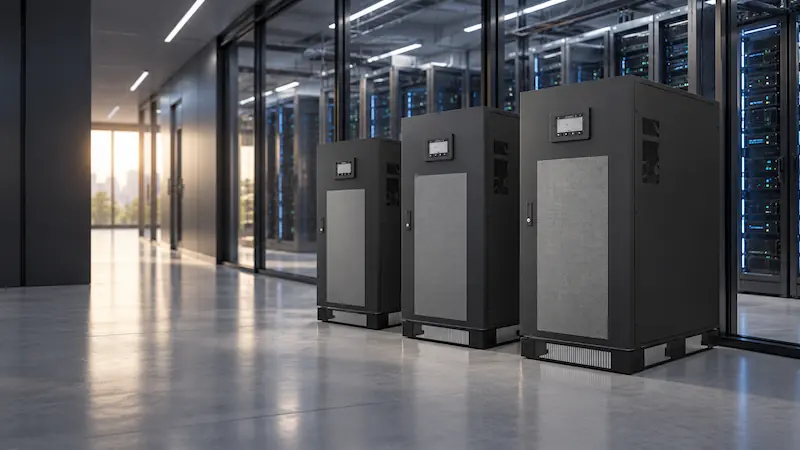
Dark industrial UPS towers with perforated front panels beside a glass-walled data hall

DATA CENTERS & AI COMPUTING

Data Center
Power Solutions.

Battery storage and site power integration.
Built around your critical loads and operating plan.

Discuss Your Power Requirements

FROM THE GRID TO YOUR SITE

One power strategy.
Clearly defined roles.

Data center power infrastructure brings together the utility supply, UPS, standby generation and facility loads. Battery energy storage adds a site-level energy resource to that architecture.

KUNETIC works with owners, developers and EPC teams to define the UPS, battery equipment and integration scope. Start with the load profile, reserve requirement and existing electrical system.

EXPLORE THE POWER SYSTEM

See where storage fits.

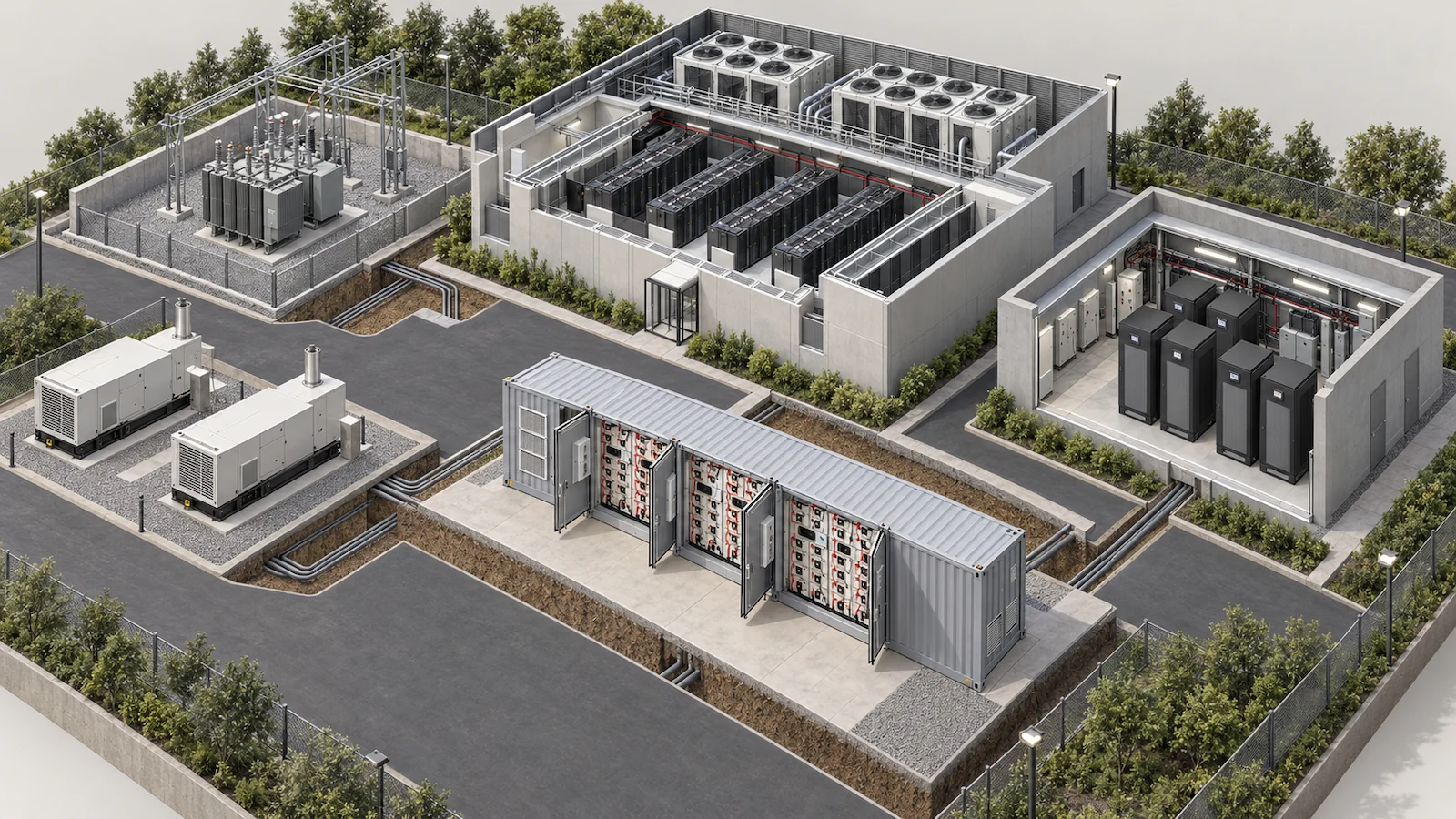
Select an equipment role in the campus view or use the controls below.

Cutaway data center with a long container battery system outside and black industrial UPS towers in the electrical room
Concept equipment layout. Electrical connections and equipment scope are engineered for each project.
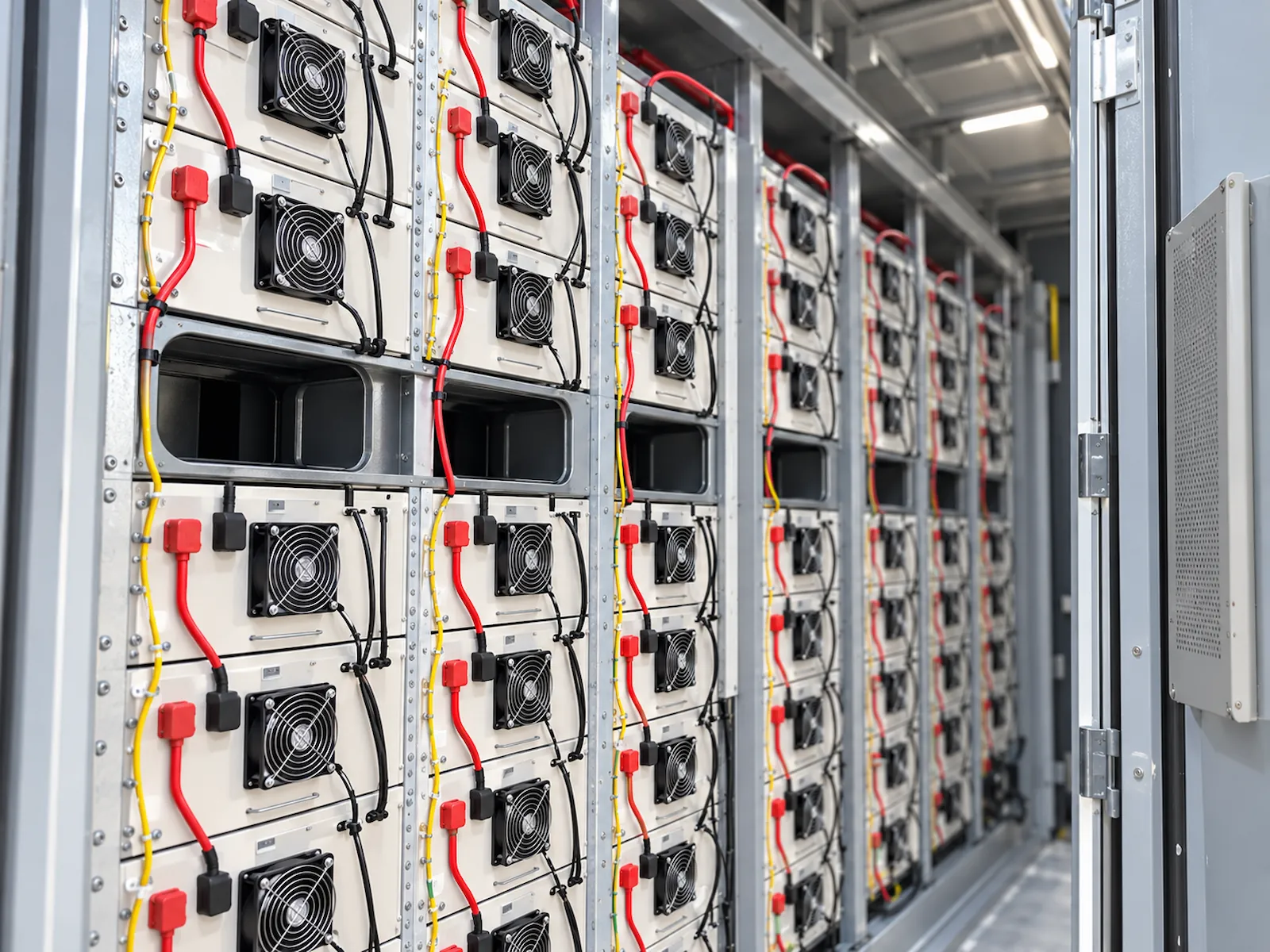
Fan-cooled battery modules and red and black wiring inside the long storage container

01 / Battery storage

Store energy at the site level.

Battery energy storage can shift electricity use and support a defined reserve strategy. The battery enclosure includes its internal management and thermal systems; power conversion, switching and protection must match the selected duty.

Plan around: Define usable energy, discharge power, operating limits and the connection point.

Explore Battery Equipment
TURN REQUIREMENTS INTO A DUTY

What should the battery do?

Define the operating priority before choosing the capacity.

Long grey container battery system with side service doors and an open battery bay in a dispatch hall
01

Manage site demand.

Assess peak shaving or time-of-use operation using your actual meter data and tariff. Battery discharge can support selected demand periods, while charging must fit the available connection and operating schedule.

Start with interval meter data and the tariff.

Cream battery modules with black cooling fans and red and black wiring inside the container
02

Plan the energy reserve.

Set aside the energy needed for an agreed operating scenario before allocating capacity to daily dispatch. Check usable energy at the required power, reserve recovery and the recharge plan after an event.

Define the load, duration and minimum reserve.

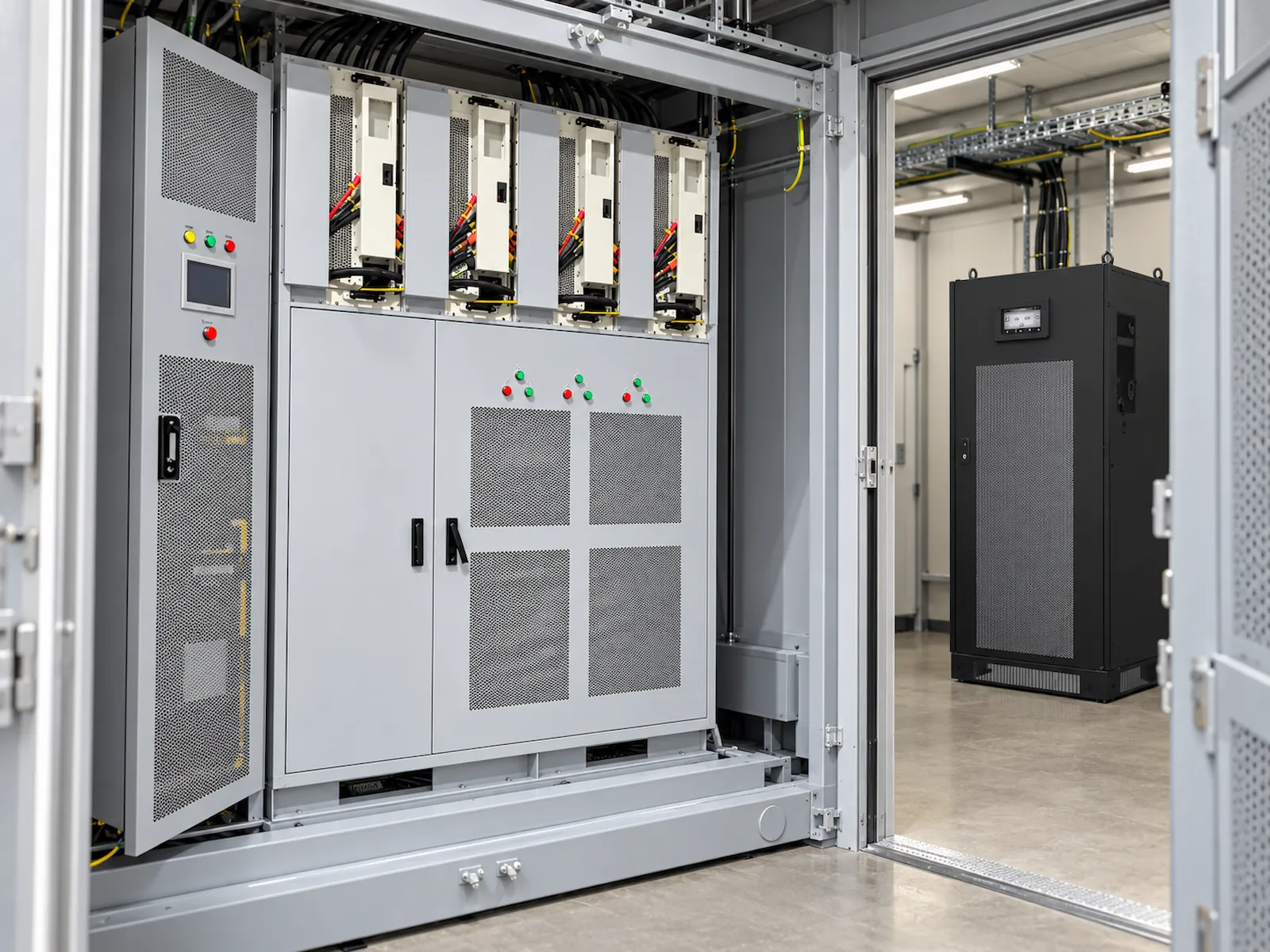
Container power conversion cabinet and a separate dark industrial UPS in a conceptual electrical service arrangement
03

Connect the operating plan.

Bring the battery, PCS and EMS into the site control strategy. Where PV or generators are present, agree the operating modes, signals, protection and responsibilities with the existing system providers.

Agree controls and interfaces before procurement.

CRITICAL POWER & SITE ENERGY

UPS, BESS and generation.
Give each a clear job.

A shared project objective does not make these systems interchangeable.

Planning roles within the data center power supply.
SystemPrimary roleConfirm in the design
UPSSpecified power continuity for the critical IT path.Load topology, battery autonomy, transfer behavior and acceptance testing.
Site-level BESSStored energy for the agreed site duty and reserve strategy.Usable kWh / MWh, PCS power, reserve limits, protection and controls.
Standby generatorOn-site generation for its designed standby duty.Starting sequence, fuel plan, loading, emissions and recharge coordination.

On smaller screens, swipe across the table.

Any backup duty depends on suitable conversion, isolation, switching, protection and controls. Agree the required behavior at the supported load, then validate the complete system.

SET THE OPERATING PRIORITY

Reserve first.
Then plan daily dispatch.

A data center battery backup plan starts with the supported load and the energy it needs. Daily energy management must work within that reserve policy.

Use the required power and duration to define the delivery target. Then account for conversion losses, auxiliaries, battery operating limits and ageing.

Read About Peak Shaving

ILLUSTRATIVE CAPACITY ALLOCATION

Operating headroomEquipment limits & allowances
Daily dispatchWithin the agreed operating policy
Reserved energyFor the defined support duty

Concept only. Band sizes are illustrative, not a proposed SOC setting or available capacity.

After an eventPlan how reserve is restored while the site continues to operate.

UPS & BATTERY STORAGE

Two equipment roles.
One coordinated power plan.

Explore the industrial UPS series for the critical power path, and container storage for the agreed site energy duty. Select each around its own requirements.

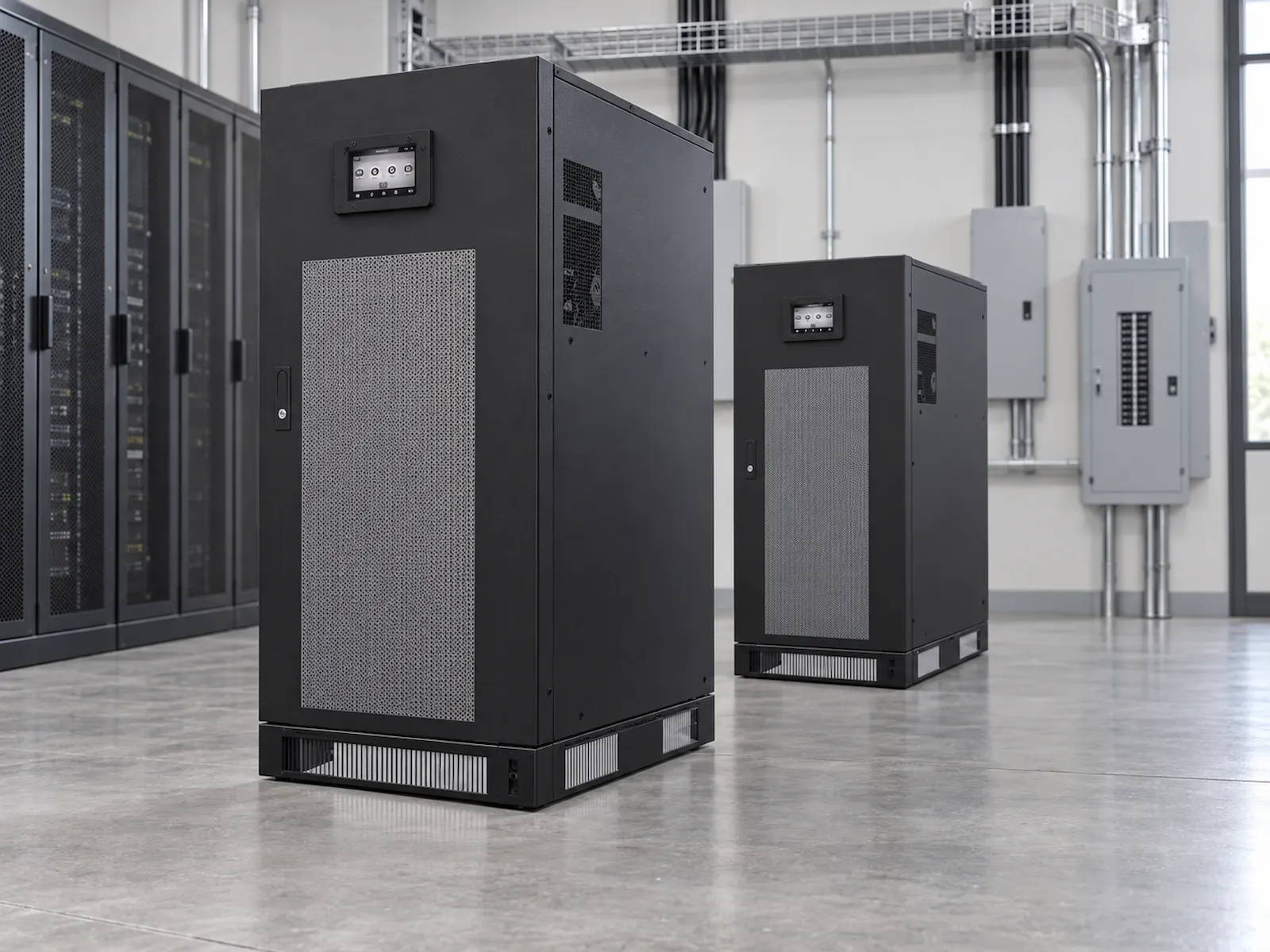
Two charcoal industrial UPS towers with upper displays and tall perforated front panels in an electrical room

Industrial UPS series

10–120 kVA three-phase series from the KUNETIC product catalogue.

Explore the UPS series

The catalogue series uses digital control, front maintenance access and a touch display. Monitoring options depend on the model. Confirm input/output voltage, the critical load, battery configuration and required autonomy before selecting the UPS.

Discuss UPS Requirements
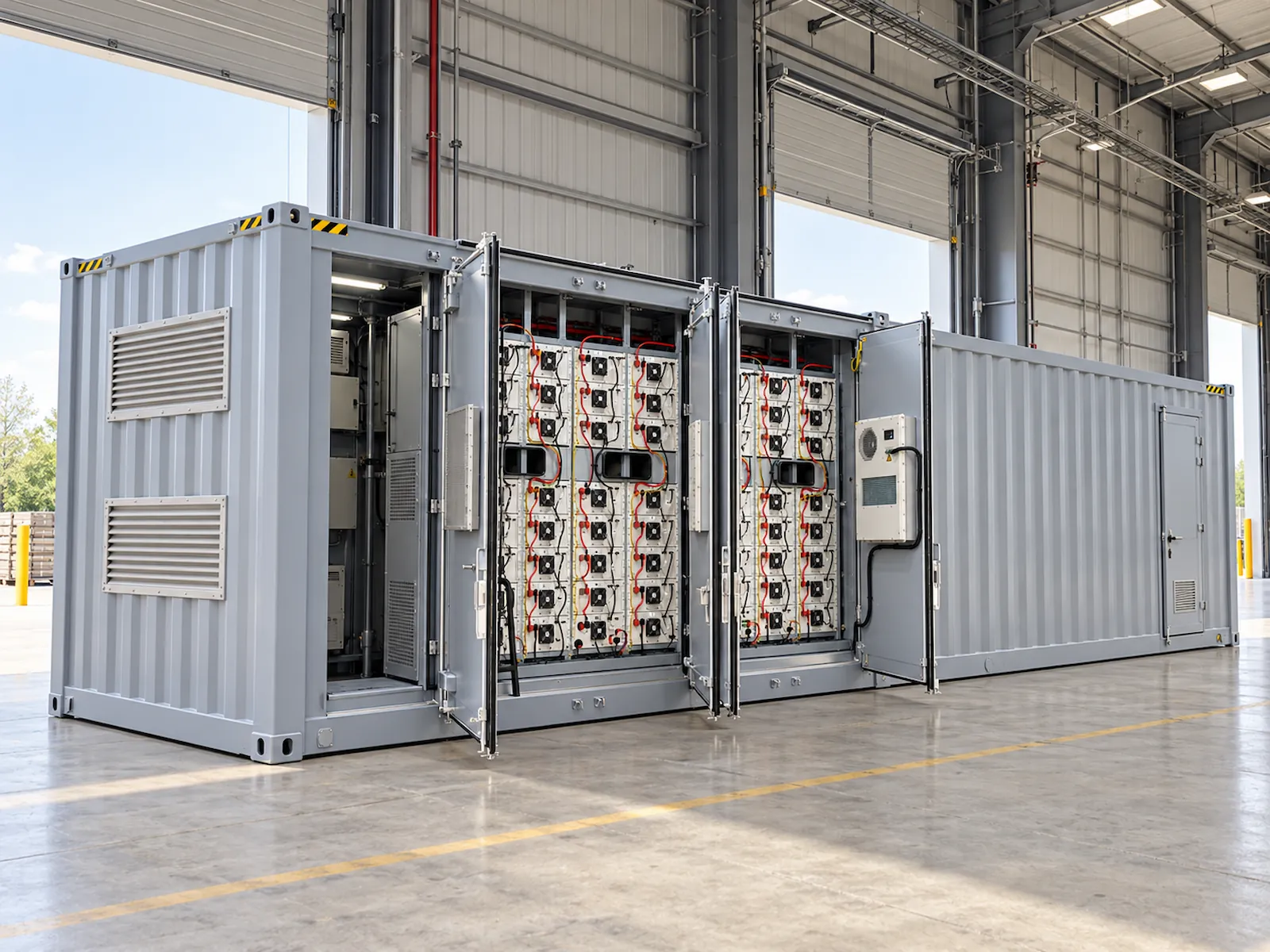
Long grey container battery system with an open side battery bay and corrugated enclosure

Container battery storage

For projects evaluating a larger battery equipment area.

Explore the container route

Define the battery enclosure and external conversion equipment together. Review the usable delivery target, AC or DC supply boundary, installation conditions, access and expansion plan with the project team.

View Container BESS

Equipment and campus visuals illustrate application concepts; final arrangement follows the approved project design.

NEW BUILD OR RETROFIT

Better inputs.
A more useful proposal.

For a new campus, define interfaces early. For a live site, begin with existing equipment and the permitted installation window.

Share the information you have. Outstanding inputs can be identified during review.
Project inputWhat to provide
Site & development stageCountry, new build or retrofit, current and planned capacity, available equipment space.
Load & operating profileCritical IT kW / MW, total facility demand, interval data, cooling and start-up loads.
Existing electrical systemSingle-line diagram, voltage and frequency, transformer, UPS and generator details.
Required dutyDemand management, reserved energy, renewable integration and permitted operating modes.
Supply & delivery scopeBattery package, PCS / EMS interfaces, local installation, commissioning and acceptance responsibilities.

On smaller screens, swipe across the table.

LET’S DEFINE YOUR PROJECT

From a load profile
to an equipment brief.

Tell us what you need the storage system to do and what is already on site. We can review the equipment scope and the interfaces your engineering team needs to resolve.

  1. Share the operating requirement.Site, load, energy duty and existing equipment.
  2. Review the system boundary.Battery, conversion, controls and project responsibilities.
  3. Develop the proposed package.Configuration, technical inputs and next engineering steps.

Discuss Your Data Center Project

For owners, developers, EPCs and system integrators.

Minimum 10 characters.

Drag & Drop a Project File Here

PDF, JPG, PNG, WEBP, DOCX, XLSX or ZIP · Max 8 MB

DATA CENTER ENERGY STORAGE, EXPLAINED

Questions before you specify.

What do KUNETIC data center power solutions cover?

The equipment scope can include selected industrial UPS products, battery storage and site power integration. A proposal defines the selected models, battery arrangement, conversion and control interfaces, required inputs and supply boundary. Generators and the wider facility design are coordinated with the responsible project partners.

Does a battery energy storage system replace a data center UPS?

Do not assume it does. A UPS has a defined continuity duty for its critical load. Site-level BESS may have a different connection, operating mode and energy objective. Any proposed change to the critical power path needs a specific system design, equipment evidence and acceptance testing.

How is data center battery storage sized?

Start with the loads to be supported, the required power and duration, and the usable energy at the defined delivery point. Then allow for conversion losses, auxiliaries, operating limits and ageing. Nameplate battery capacity alone does not establish available runtime.

Can the same battery support peak shaving and backup reserve?

It can be assessed if the selected equipment and control strategy support both duties. Define a minimum reserve, dispatch priority and recharge rules first. Capacity committed to reserve must be accounted for when evaluating daily energy dispatch and its economics.

Can BESS be added to an existing data center?

A retrofit starts with the existing single-line diagram, UPS and generator information, metering and protection. Review the connection point, available space, maintenance access and planned installation window with the site team. Final compatibility and operating modes are project-specific.

What changes when planning power for an AI data center?

Use the actual workload and facility profile rather than an assumed flat IT load. Review changing demand, cooling requirements, power quality, expansion stages and the response needed from each power source. Specific power-support functions depend on the selected equipment and validated system design.