
 English
 Deutsch
 Español
 Français
 Italiano
 Polski
 Română
 العربية
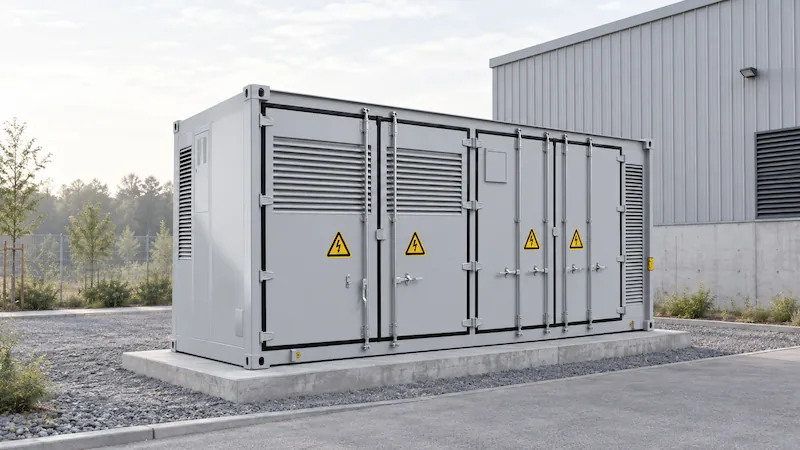
Peak demand
Short production peaks can drive demand charges. Storage can supply part of that peak when the tariff and operating schedule support it. Start with interval load data and the electricity bill.
Explore peak shaving
CONTAINER BESS
From integrated microgrids to multi-container storage.
Find the configuration that fits your site.
STORAGE BUILT AROUND YOUR SITE
Choose container battery storage around the way your site uses power. KUNETIC helps industrial and commercial projects compare integrated microgrids, separate battery containers and larger multi-container systems.
If you are comparing BESS units for sale, start with three questions: how much power is needed, how much energy must be stored, and which equipment belongs in the supply scope?
Discuss Your Project
A containerized battery energy storage system houses batteries and supporting equipment in one or more enclosures. The design determines what is inside and what is supplied separately.
The batteries store energy. The PCS converts power between the DC batteries and the AC installation. The EMS coordinates charging and discharging.
Grid support, solar shifting and backup are different tasks. Backup also needs suitable switching, isolation and controls.
AC power determines what can run together.
Battery energy determines how long it can run.
Container size alone cannot answer either question.
Short production peaks can drive demand charges. Storage can supply part of that peak when the tariff and operating schedule support it. Start with interval load data and the electricity bill.
Explore peak shaving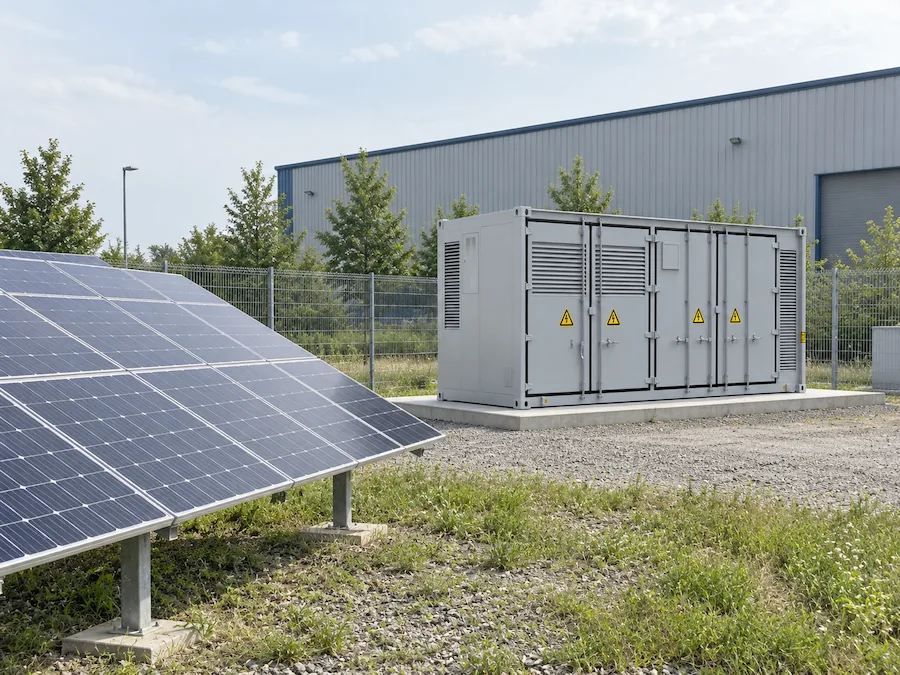
Solar production and site demand may peak at different times. Store surplus energy for later loads. Compare the PV generation profile with evening demand, export limits and charging capacity.
Explore commercial storage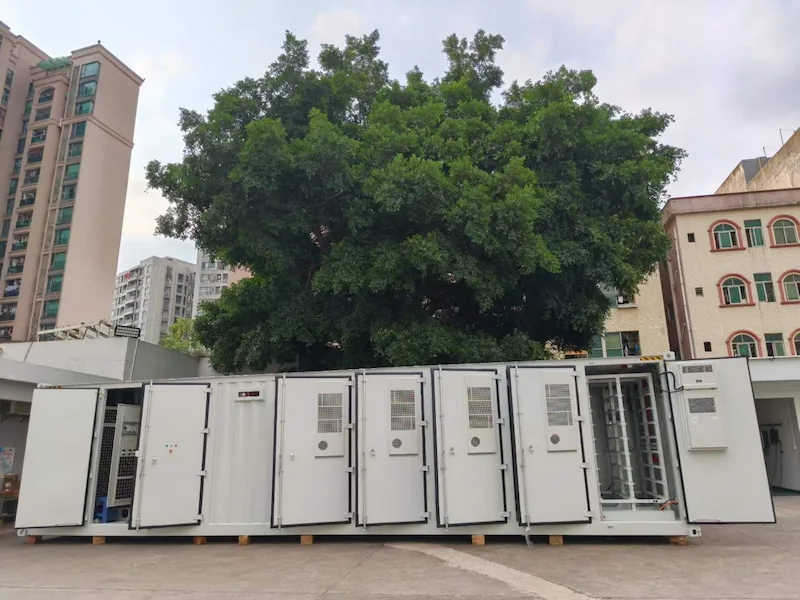
New equipment may push demand above the available grid connection. Storage can support selected periods of higher demand. Check the connection limit, peak duration and time available to recharge.
Discuss your connection limit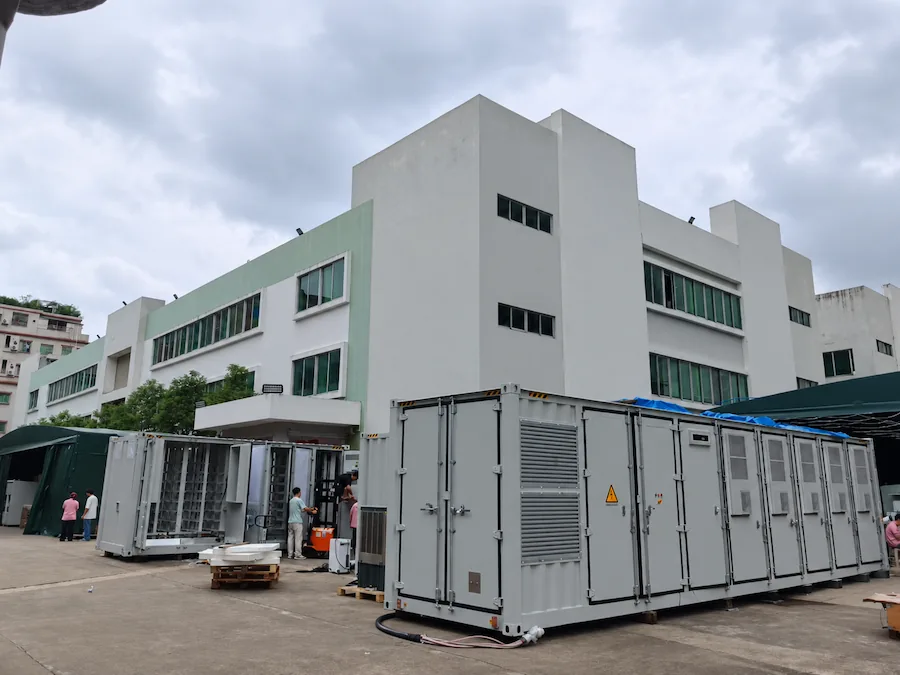
Essential loads may need power during an outage or at a remote site. Backup needs compatible conversion, switching and controls. Define the loads, starting demand and operating hours before choosing capacity.
Explore hybrid powerCompare the complete equipment list, alongside battery capacity.

Stored energy and battery monitoring. Review rated energy, operating limits and usable energy for the selected model.
The PCS connects DC battery energy to the AC installation. Its power rating and operating modes must match the site.
Temperature control, detection and protection form part of the equipment design. Confirm the selected configuration.
The EMS coordinates charging and discharging. Agree its interfaces with the grid, solar and any generator controls.
AC switchgear and a transformer may be separate equipment. Existing solar or a generator also needs compatible connections and controls.
Define Your Equipment ScopeONE SITE. DIFFERENT SYSTEM ARRANGEMENTS.
The location of the PCS, controls and AC equipment changes the supply scope, installation plan and connection design.
Batteries, conversion and selected controls brought together. Check the generation interfaces and backup scope.
Battery energy separated from AC equipment. Match DC limits to the external PCS and connection design.
Several battery enclosures with separate conversion and transformer equipment. Plan the complete site layout.
INTEGRATED CONFIGURATIONS
An integrated arrangement brings batteries, power conversion and selected controls together. It can suit projects that need a defined combination of storage and generation interfaces.
Confirm the PV, grid, generator and backup scope for the chosen model.
View the Integrated 750 kW System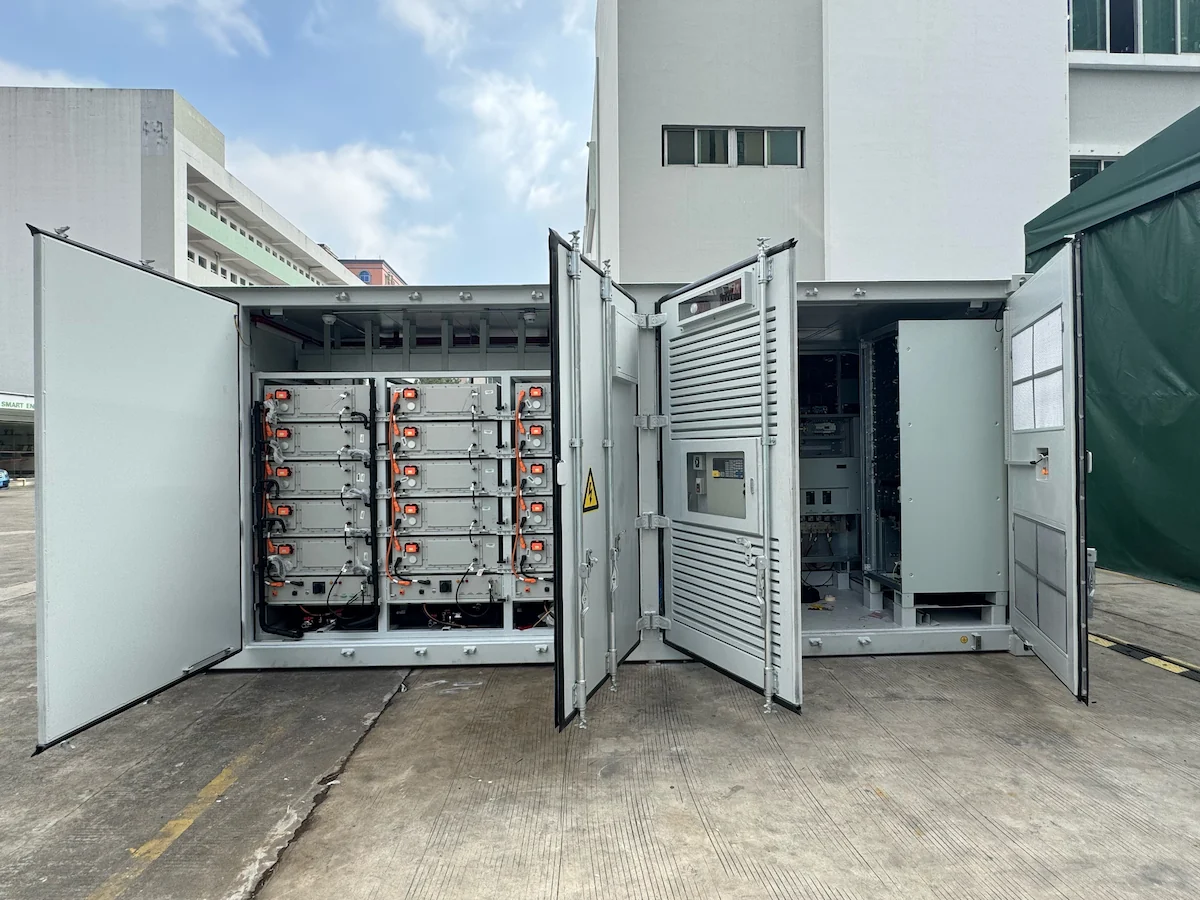
SEPARATE EQUIPMENT ARRANGEMENTS
A separate battery container allows the PCS and AC equipment to be selected around the site. Compare battery energy and DC limits with the external PCS specification.
A battery compartment's DC rating is not the complete system's AC output. Larger installations also need space for separate equipment and maintenance access.
Discuss a Container ConfigurationMODEL & CONFIGURATION REFERENCES
Integrated microgrids and centralized storage have different equipment arrangements.
Compare AC power, battery energy and connection requirements separately.
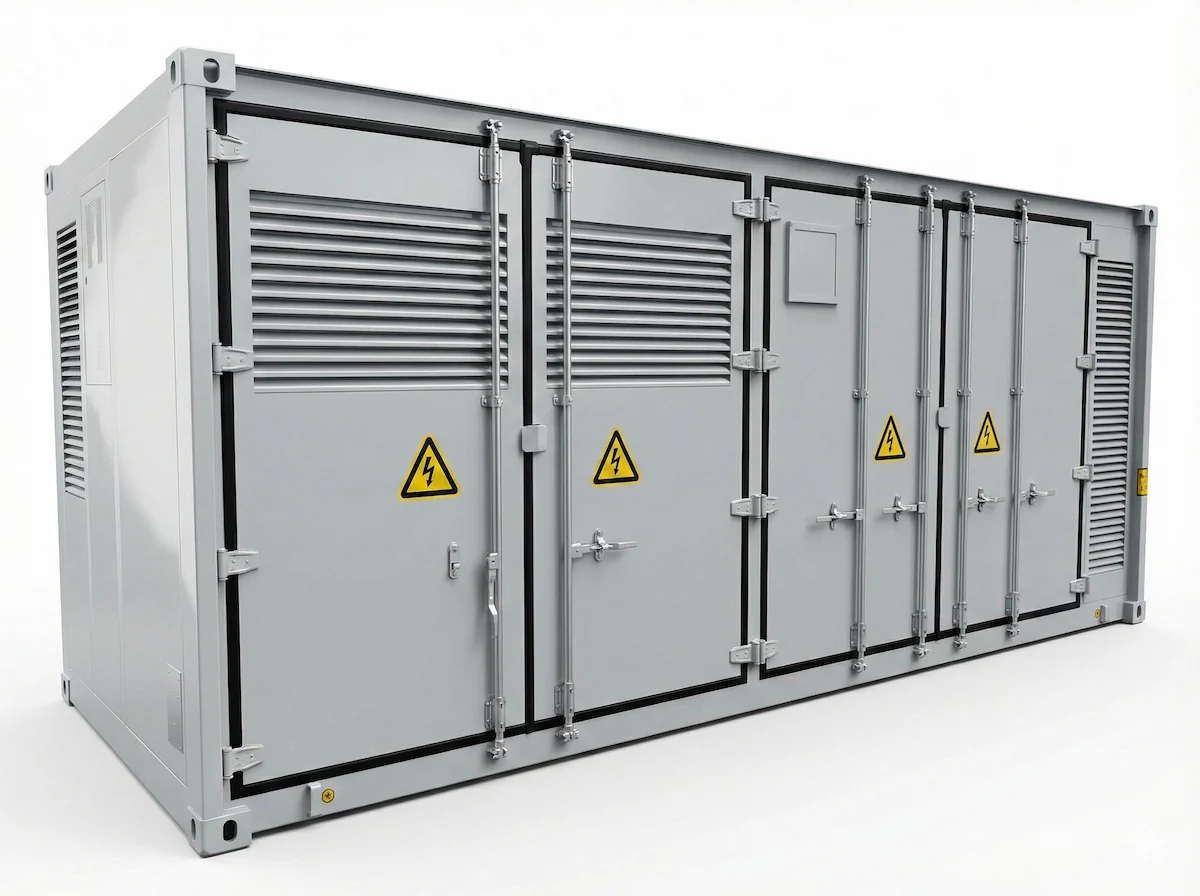
INTEGRATED MICROGRID REFERENCE
Integrated PCS with a maximum PV input of 720 kW. Reference connection: 400 V, 50/60 Hz.
STS is configurable. A diesel generator is not default supply. Rated battery energy is not usable AC energy.
View Full Product Specifications| Configuration reference | Rated battery energy | AC power | Equipment arrangement | Reference connection |
|---|---|---|---|---|
| K-ePowerMax-C1440 | 1,446.912 kWh | 750 kW | Integrated PCS Maximum PV input 720 kW | 400 V 50/60 Hz |
| Approx. 5 MWh centralized system | 5,015.9616 kWh | 2,500 kW | Battery container + separate PCS/transformer | 690 V 50 Hz |
| Approx. 10 MWh centralized system | 10,031.9232 kWh | 2,500 kW | Two battery containers + separate PCS/transformer | 690 V 50 Hz |
Model-specific datasheet references, not interchangeable standard packages. The 5 MWh and 10 MWh examples describe 690 V, 50 Hz designs; other connections require review. Total installation space includes access, connections and separate equipment.
The simultaneous load sets the power requirement. The hours to be covered, usable battery energy and reserve settings affect storage capacity. Motor starting demand needs a separate check.
Grid support, solar shifting and backup need different controls and equipment. Include the country, voltage, frequency, connection limit and any existing PV or generator system.
Compare batteries, PCS, EMS, switchgear and transformer scope together. Identify the testing, technical documents and project requirements that apply to the selected model.
Allow for transport, unloading, foundations, service access and cable routes. A battery container footprint does not describe the space needed for the complete installation.
Similar battery capacity can hide a very different supply scope.
Identify what is included, what is optional and what is supplied separately.
State the battery, PCS, switchgear and transformer interfaces.
Agree transport, site preparation, commissioning and project responsibilities.
Location, operating hours and connection limits turn a container enquiry into a useful configuration discussion.
Electricity bills, a load profile or a site plan help. You can begin by describing the problem you need to solve.
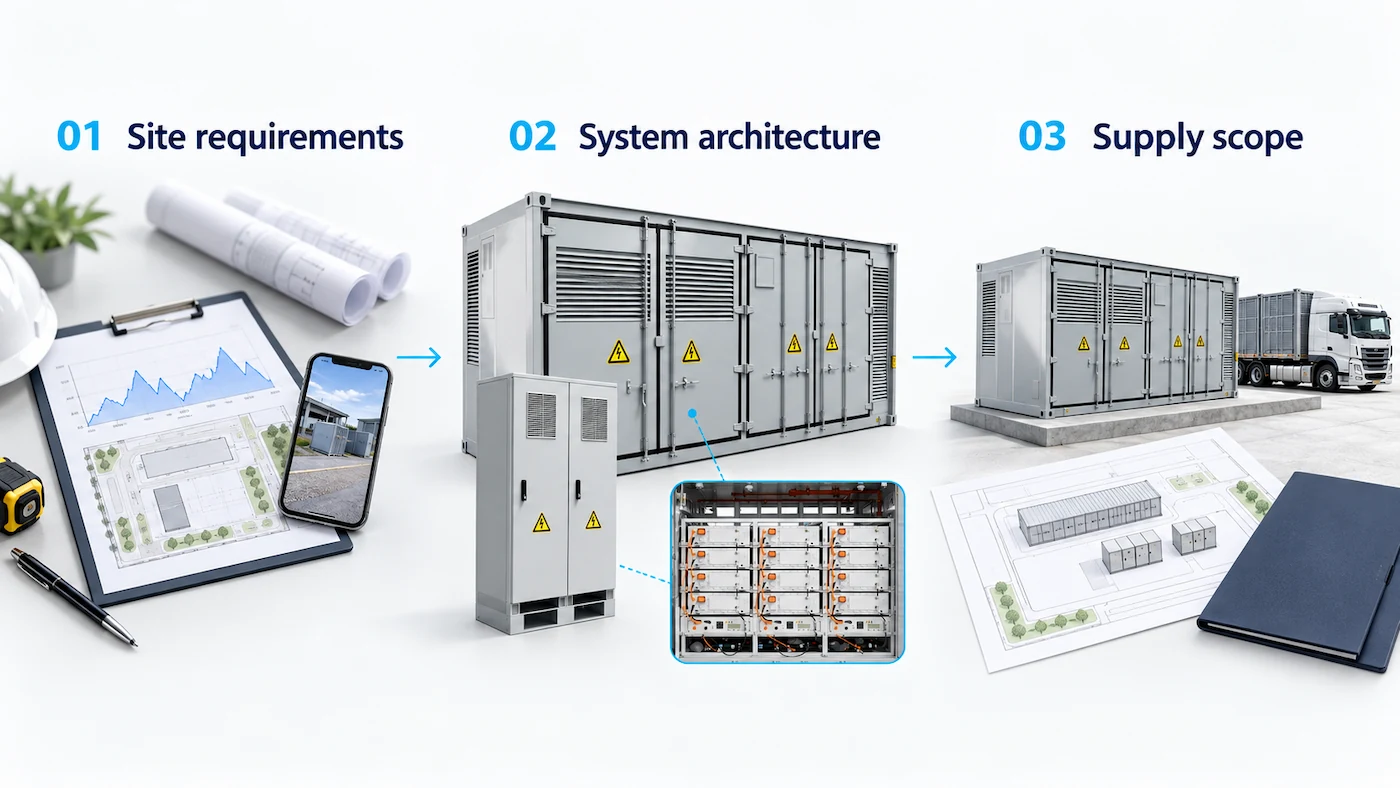
Share the location, loads and operating objective. Add electricity bills, a load profile and existing solar or generator details when available. Estimates are enough to begin.
Match AC power and battery energy to the operating schedule. Compare integrated systems with separate battery, PCS and transformer arrangements. Record the equipment included in each option.
Before ordering, check the supply list, electrical connections, project documents and installation responsibilities. Use the selected configuration to confirm transport, site preparation and commissioning requirements.
PEOPLE. EQUIPMENT. THE WHOLE SITE.
From site discussions to installation planning, see how the equipment can fit into different project environments.
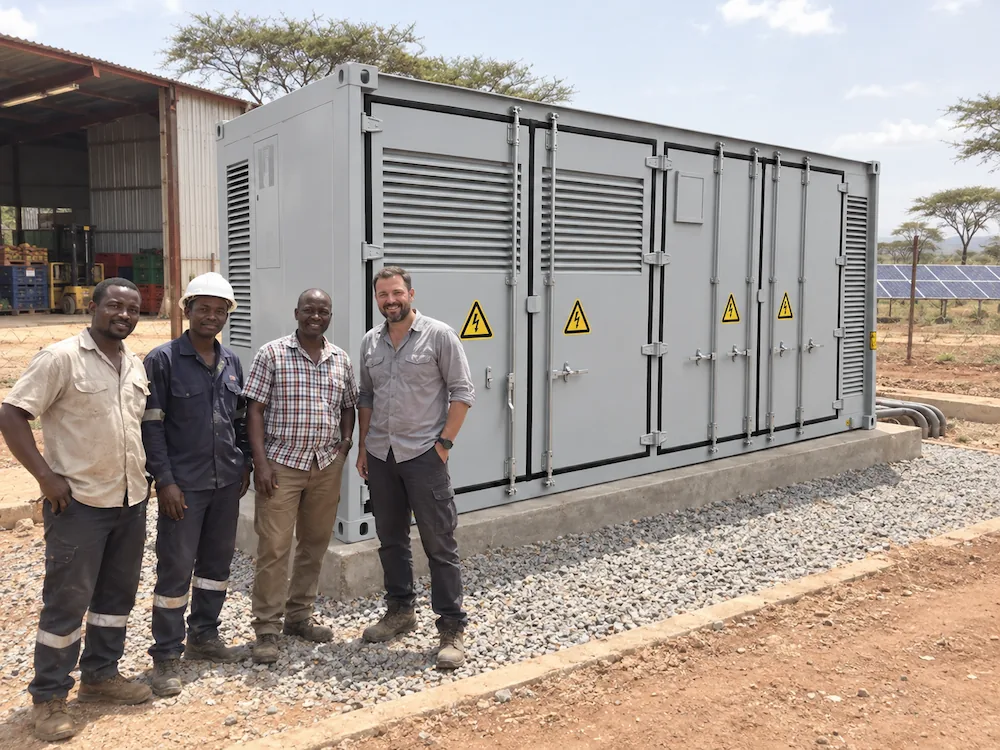
Agriculture & processing
Farm and processing loads can combine motor starts, daytime production and evening demand. A useful discussion separates the power peak from the hours storage needs to cover.
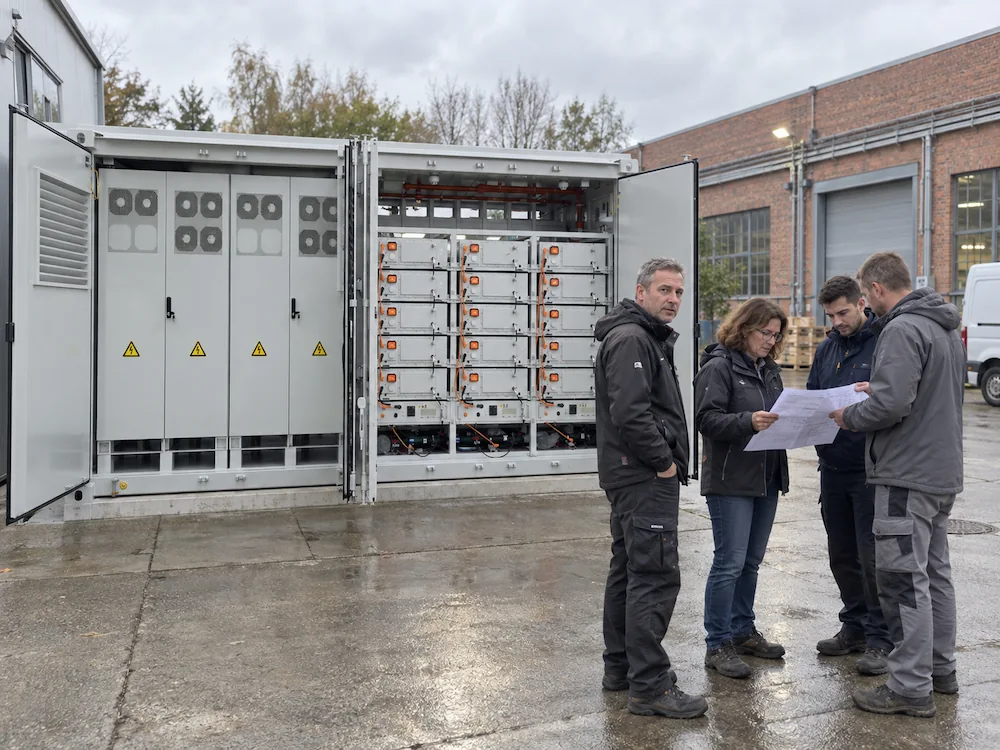
Industrial facilities
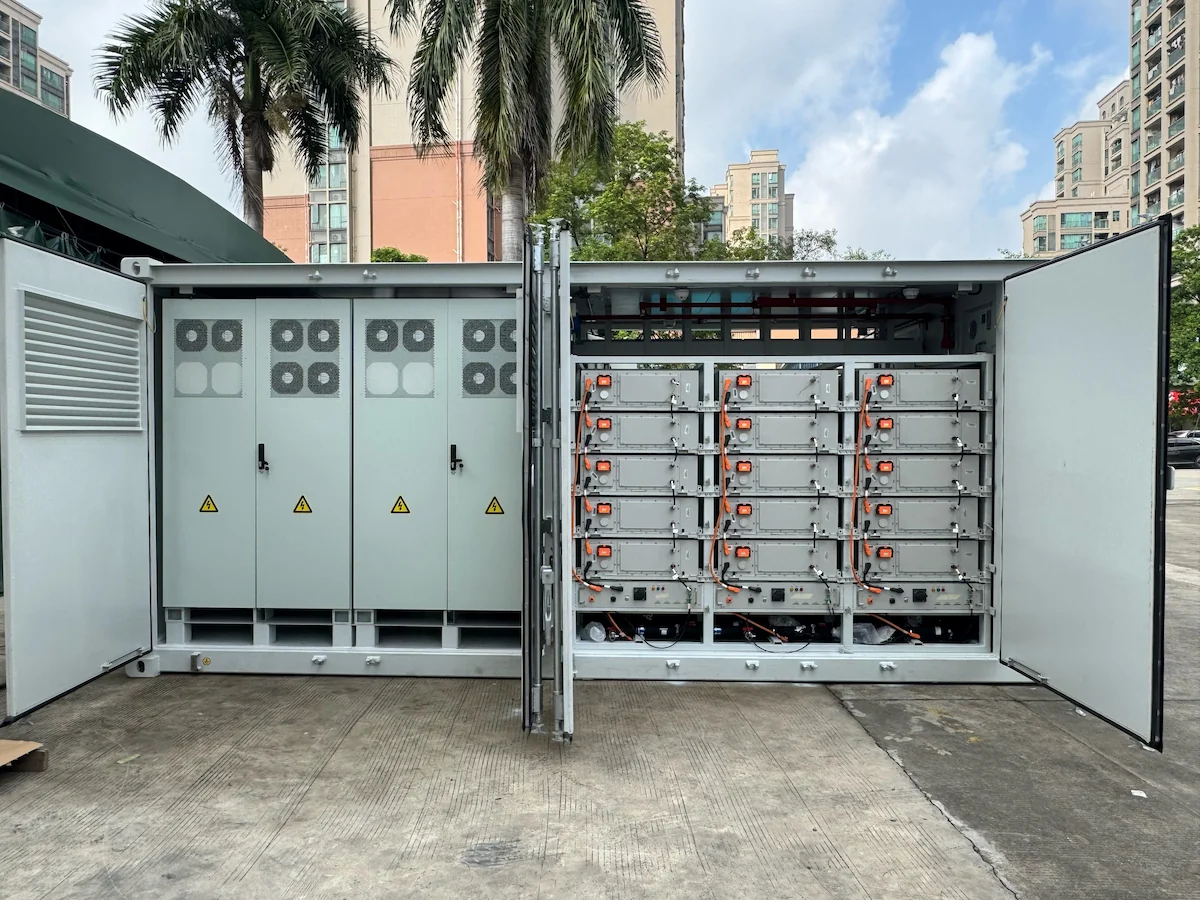
An open equipment view helps explain battery racks, power conversion and service access. The selected configuration determines the internal arrangement and inspection requirements.
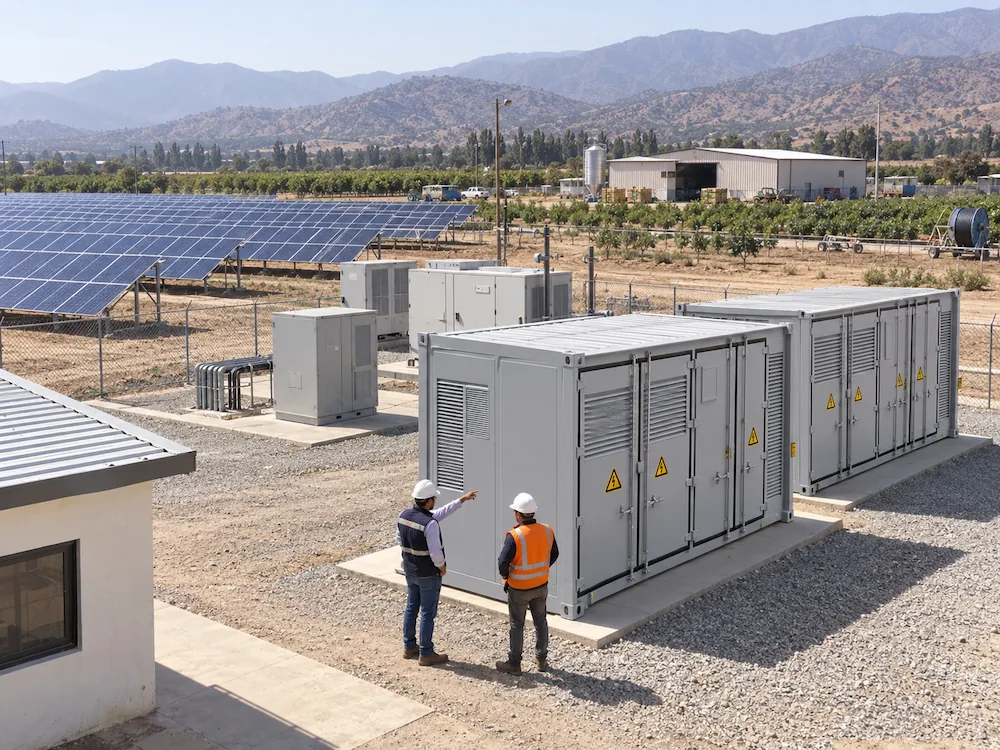
Solar & storage
The whole site matters: solar generation, storage enclosures, separate AC equipment and access routes. Existing generation and connection limits shape the final system layout.
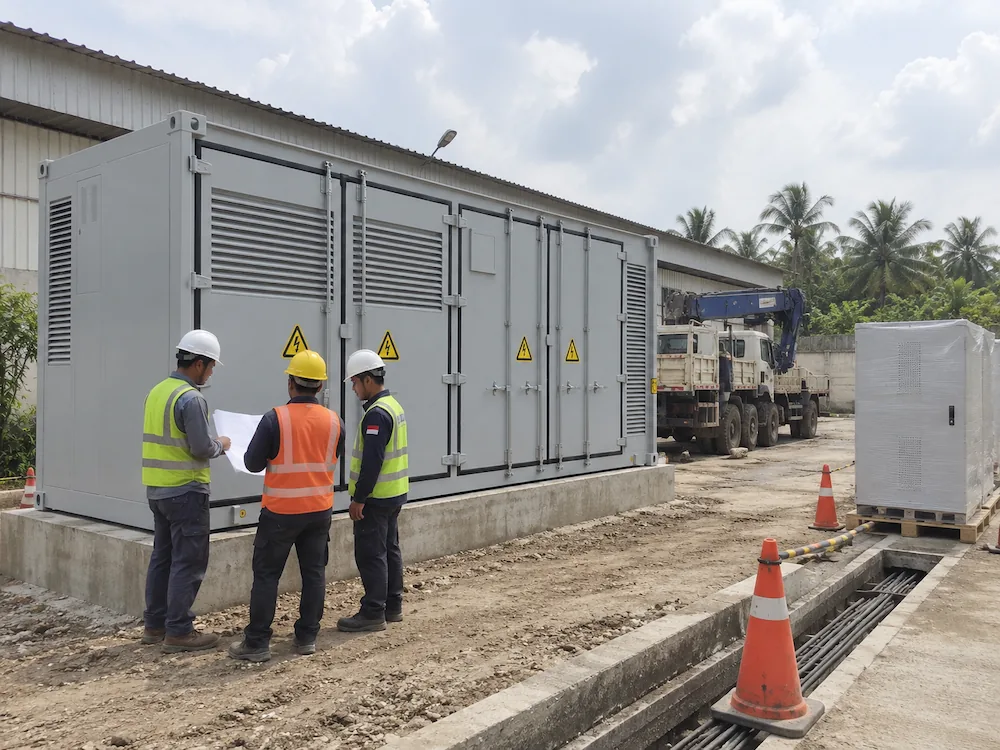
Site preparation
Foundations, unloading access, cable routes and space for separate equipment belong in the site plan. Agree these interfaces alongside the equipment supply scope.
Tell us what needs power and when it runs. Include the project country and whether the priority is peak demand, solar self-use, grid capacity or backup.
Get a Configuration ProposalIt depends on the architecture. A battery container houses batteries and supporting systems, such as battery management and cooling. An integrated configuration may also contain power conversion and controls. Check the supply list for the PCS, transformer, switchgear and other equipment.
MW measures power: how quickly the system can supply energy. MWh measures stored energy. A 1 MW load uses 1 MWh over one hour. Actual operating time also depends on usable battery energy, reserve settings, conversion losses and equipment limits.
Start with the load profile, operating objective and hours to be covered. Check AC power separately from battery energy. Then review charging time, starting loads and the reserve required. A 20-foot or 40-foot enclosure size alone does not determine the right capacity.
No. Some systems combine batteries and a PCS; others use separate enclosures. A transformer depends on the connection voltage and project design. The quotation should identify which components are supplied, where they are located and which interfaces remain site responsibilities.
Yes, when the complete installation is designed for backup. The PCS, isolation and switching equipment, controls and connected loads must support that mode. A grid-tied battery installation does not automatically continue supplying loads during an outage.
It can form part of a compatible hybrid system. Share the PV inverter and generator models, ratings and control details. The review needs to cover connections, switching and operating modes. Existing equipment compatibility must be checked for the chosen configuration.
Battery energy, AC power, equipment scope and project requirements all affect price. Compare PCS, transformer, protection and controls as well as the battery package. Transport, site work and required documentation also matter. A cost per kWh alone does not describe a complete system.
Start with the country, project objective, approximate load and operating hours. Add voltage, frequency, existing solar or generator details and a site plan if available. Bills and interval load data improve the assessment, but you can begin by describing the problem you need to solve.
Request the documents for the selected model and supply scope. The review should identify applicable datasheets, layout information, electrical diagrams and test or certification records. Document applicability needs to match the actual equipment and project requirements; a general product-family claim is not enough.