
 English
 Deutsch
 Español
 Français
 Italiano
 Polski
 Română
 العربية
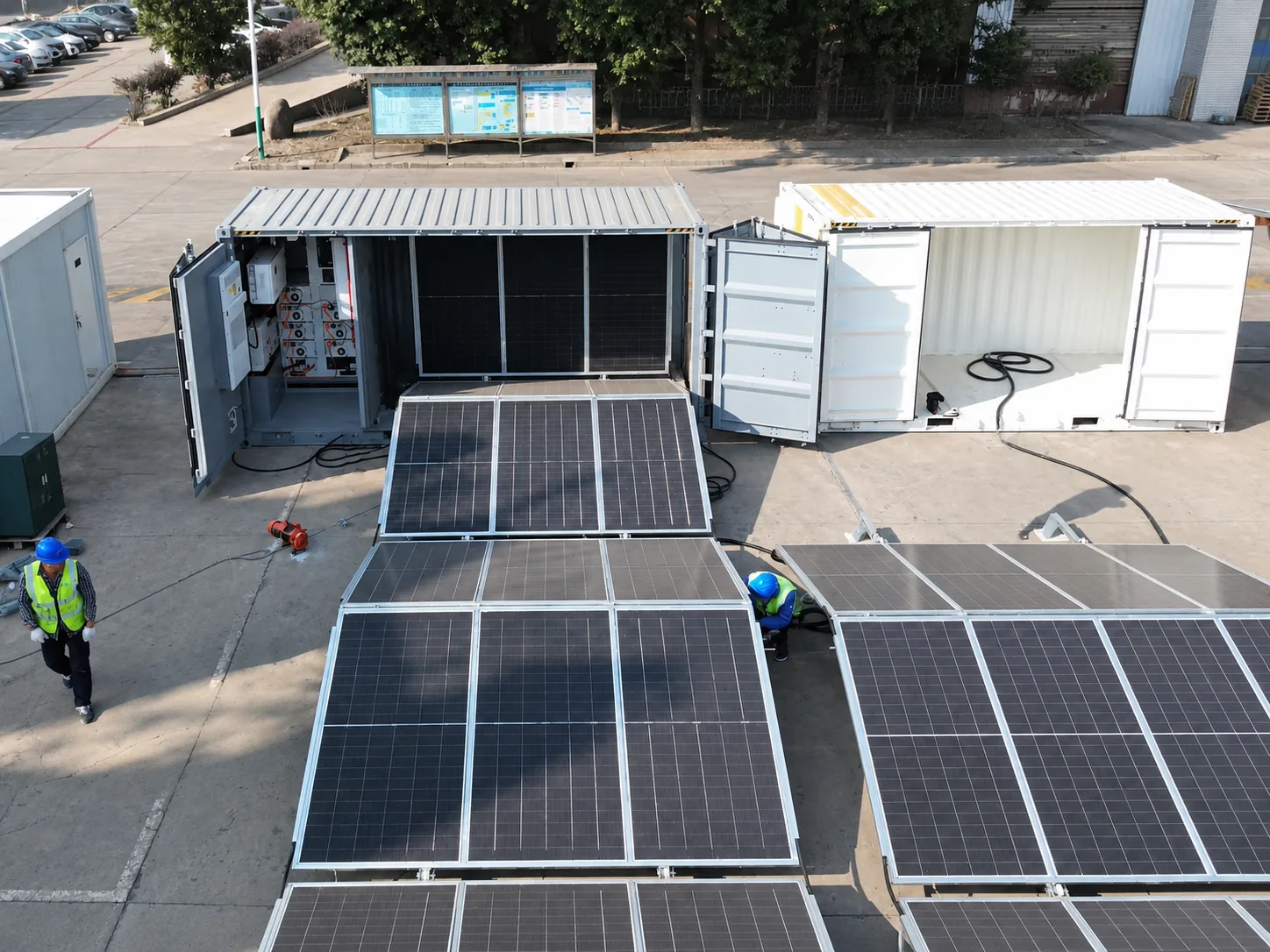

Mobile SolarPower That Moves
Deployable solar and storage.
Designed around your site.
MOBILE SOLAR CONTAINER SOLUTIONS
A power station that follows your site.
A foldable solar array, selected storage and power conversion in a transportable system. Bring generation to construction sites, remote facilities and changing work areas. Choose the configuration around what needs power, when it runs and where the array can open.
Made for work beyond the grid.
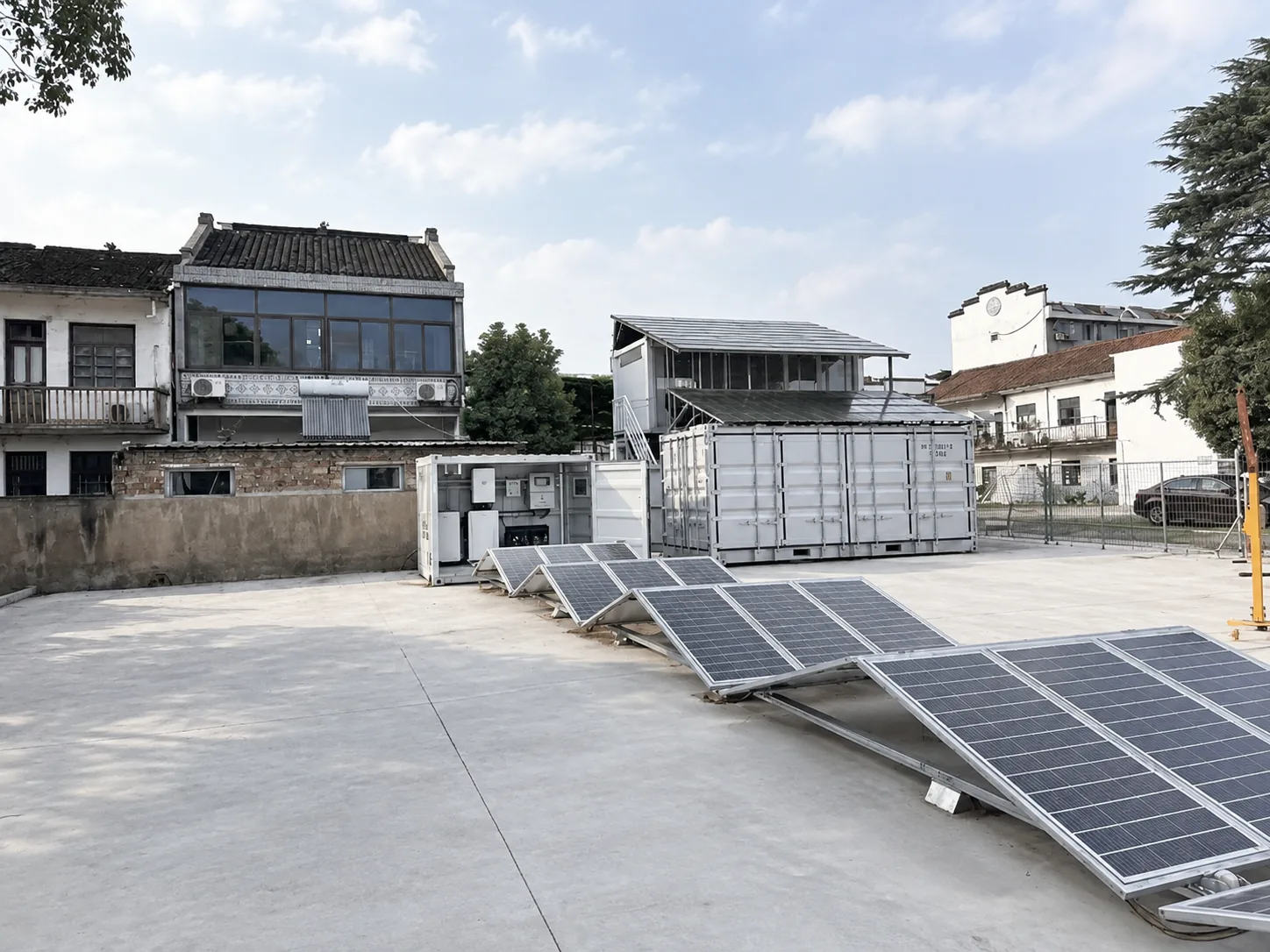
Unfold more solar.
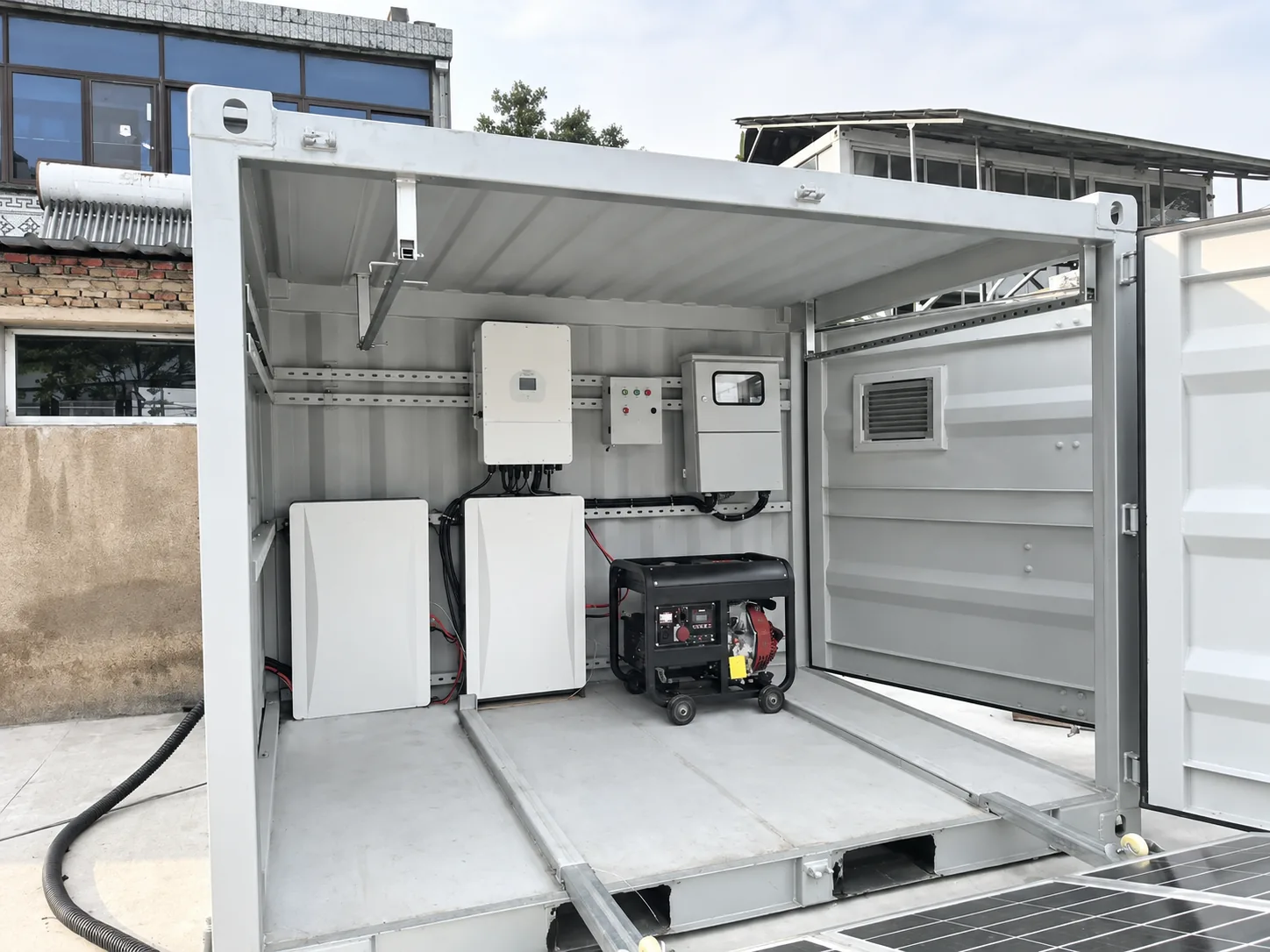
Plan beyond daylight.
1 / 3
Explore the array, equipment and site layout
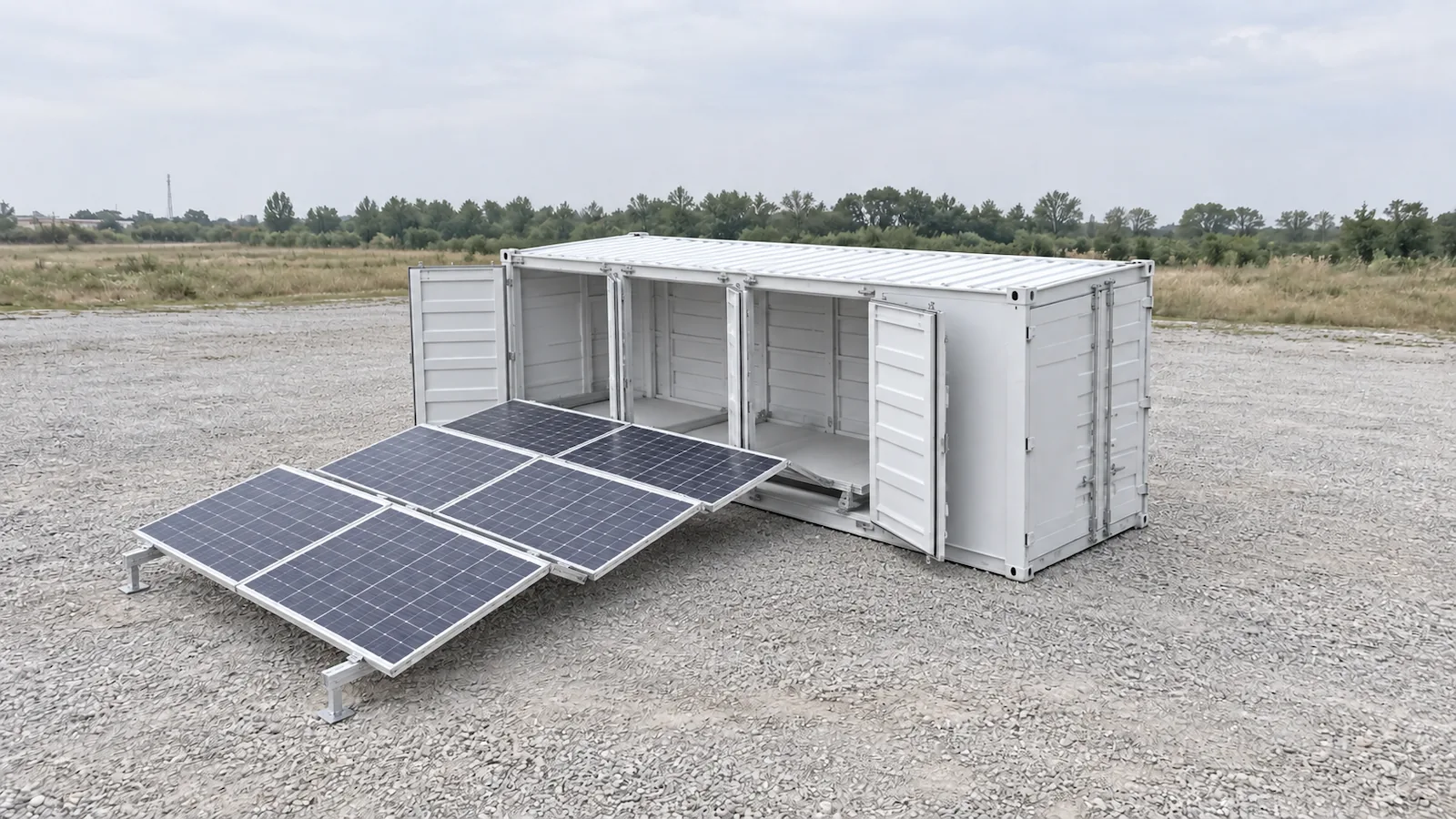
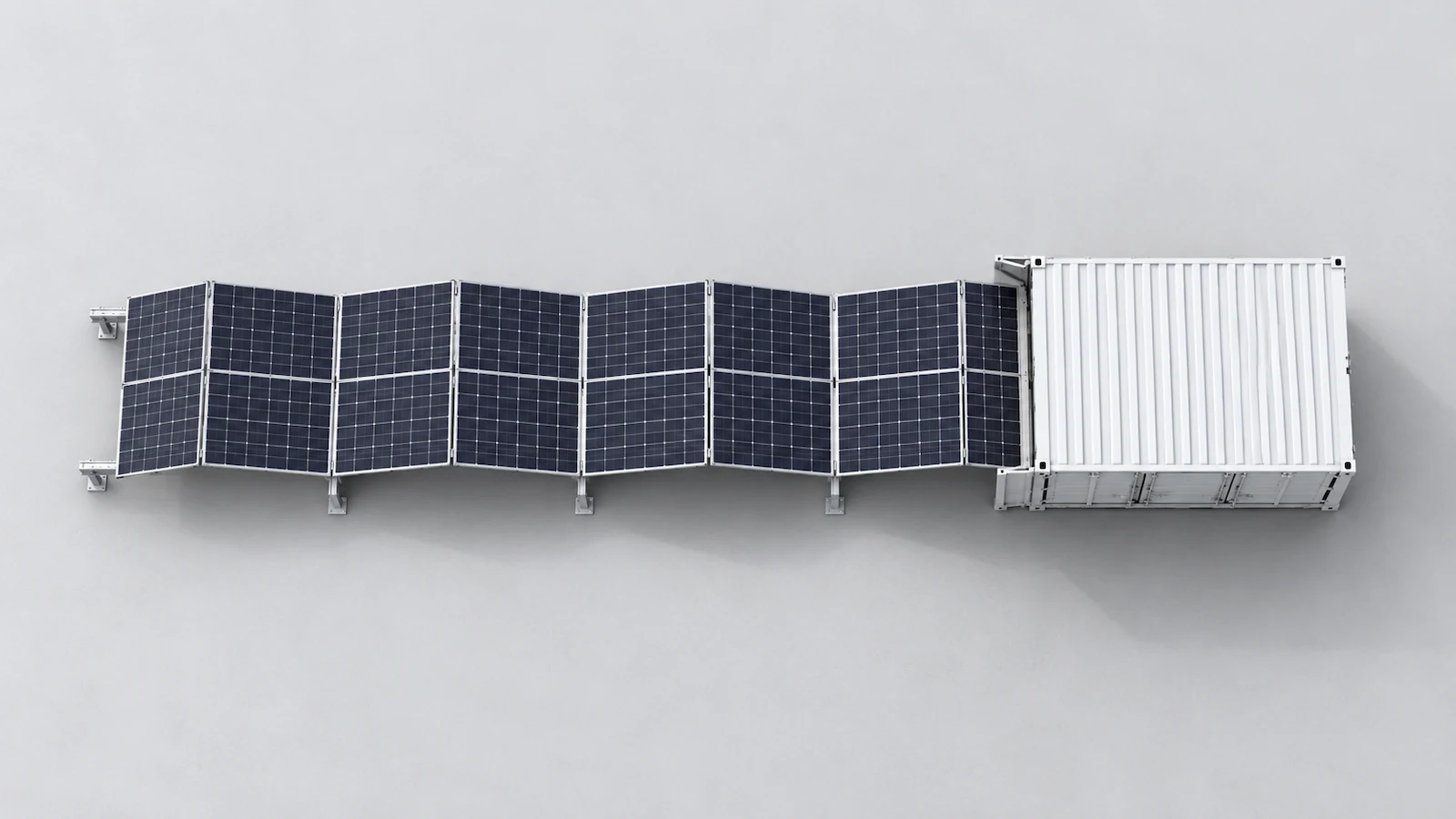
Compact design illustration · exact array and equipment selected for your project
Images explain the design; specifications are listed below.YOUR LOADS. YOUR OPERATING HOURS.
Start with the work.
Build the power system around it.
Send your load list, site photos and operating hours. We will compare solar, AC power and storage options for the same requirement.
Review My Site RequirementsGENERATION. STORAGE. SITE POWER.
A complete system.
Three different ratings.
Solar capacity, AC output and battery energy describe different jobs. Size each one against the loads and hours that matter at your site.
Need generator support? Explore solar, storage and diesel integration
One approach.
Different places to work.
A delayed grid connection, a remote facility or a changing project site can need different power systems. Start with the essential loads, access and available ground.
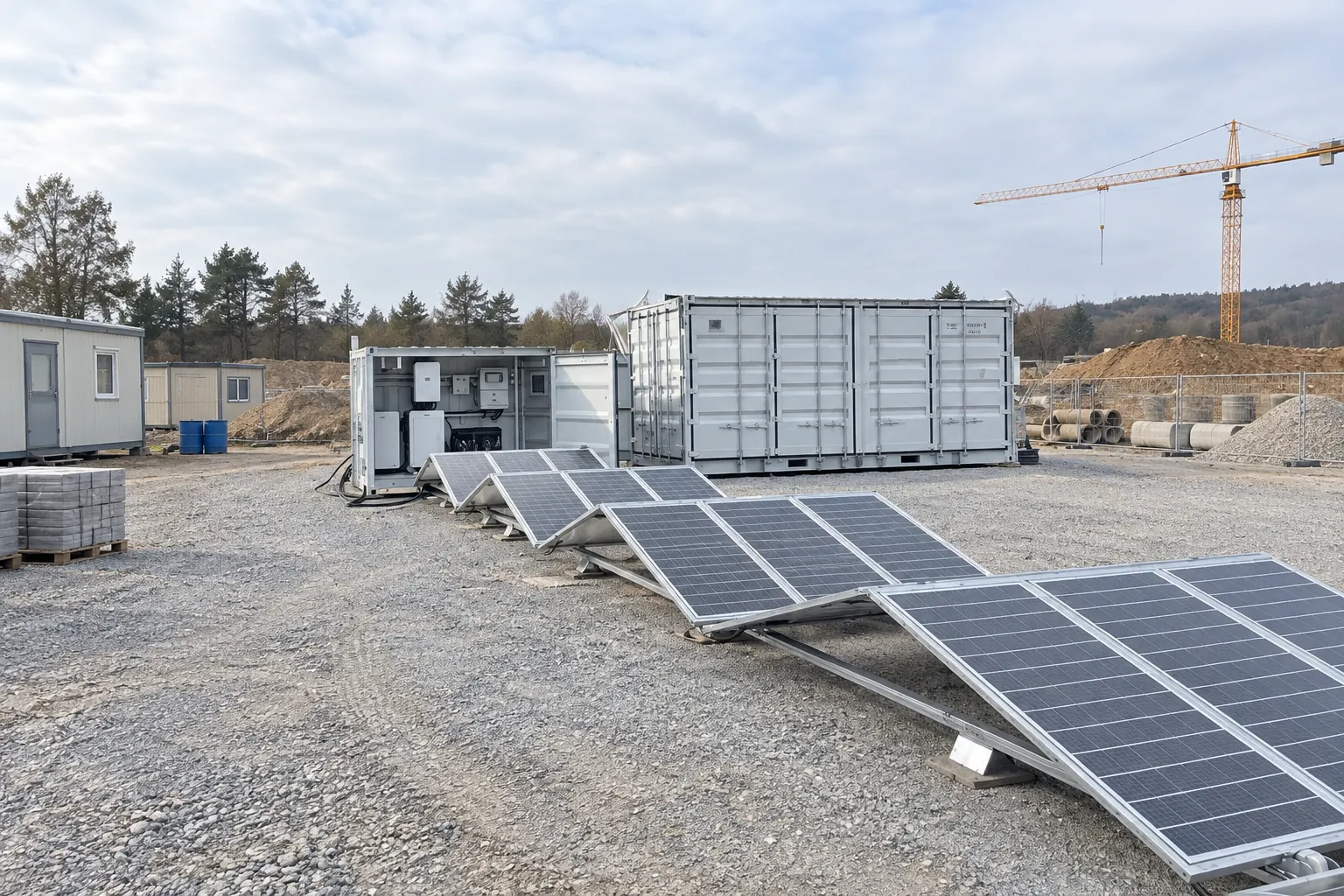
Construction & temporary works
Power for site offices, lighting and scheduled equipment while a permanent supply is delayed.
Discuss This Application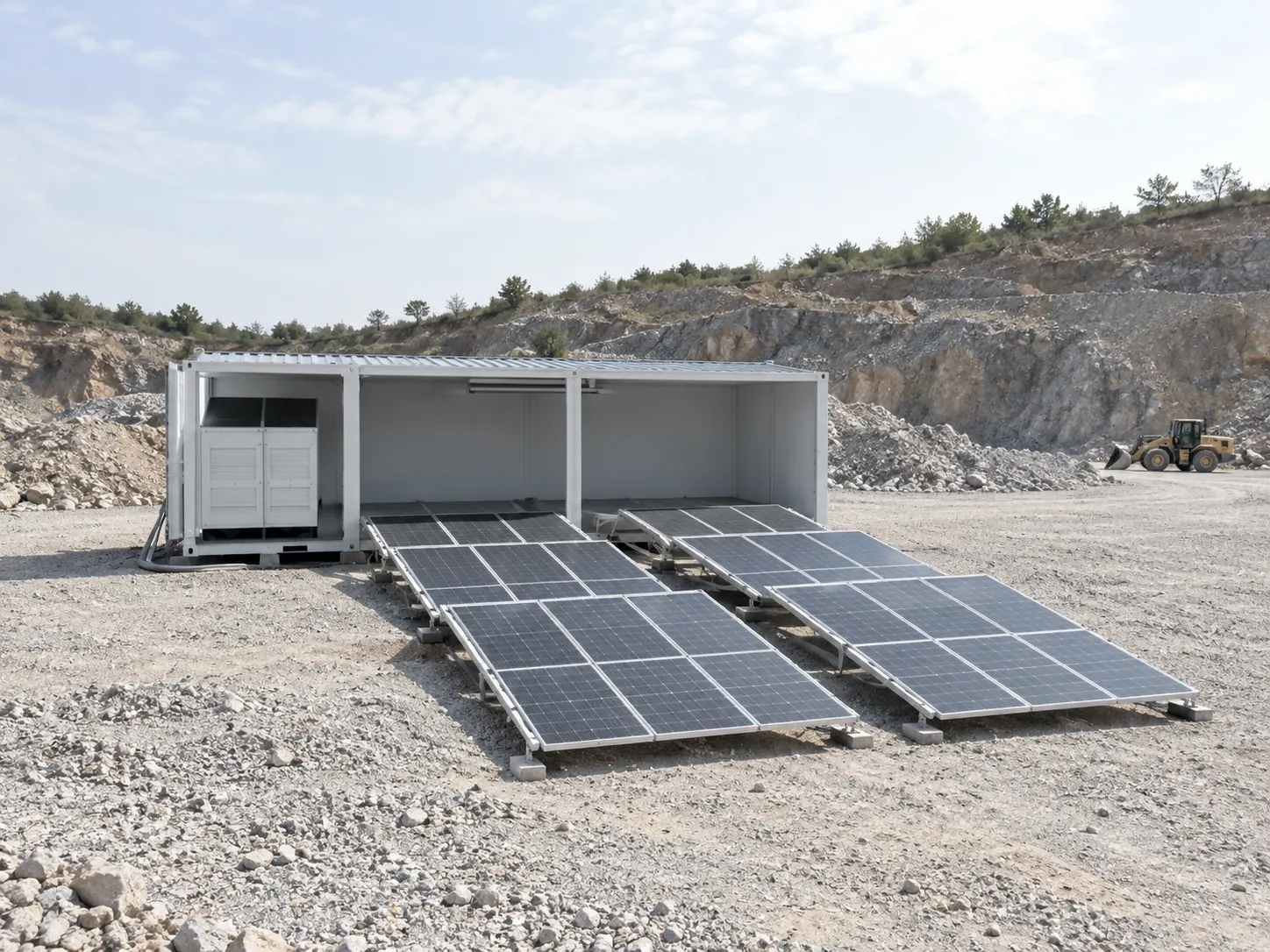
Remote industry
Plan essential loads, low-solar periods and service access alongside generator support.
Discuss This Application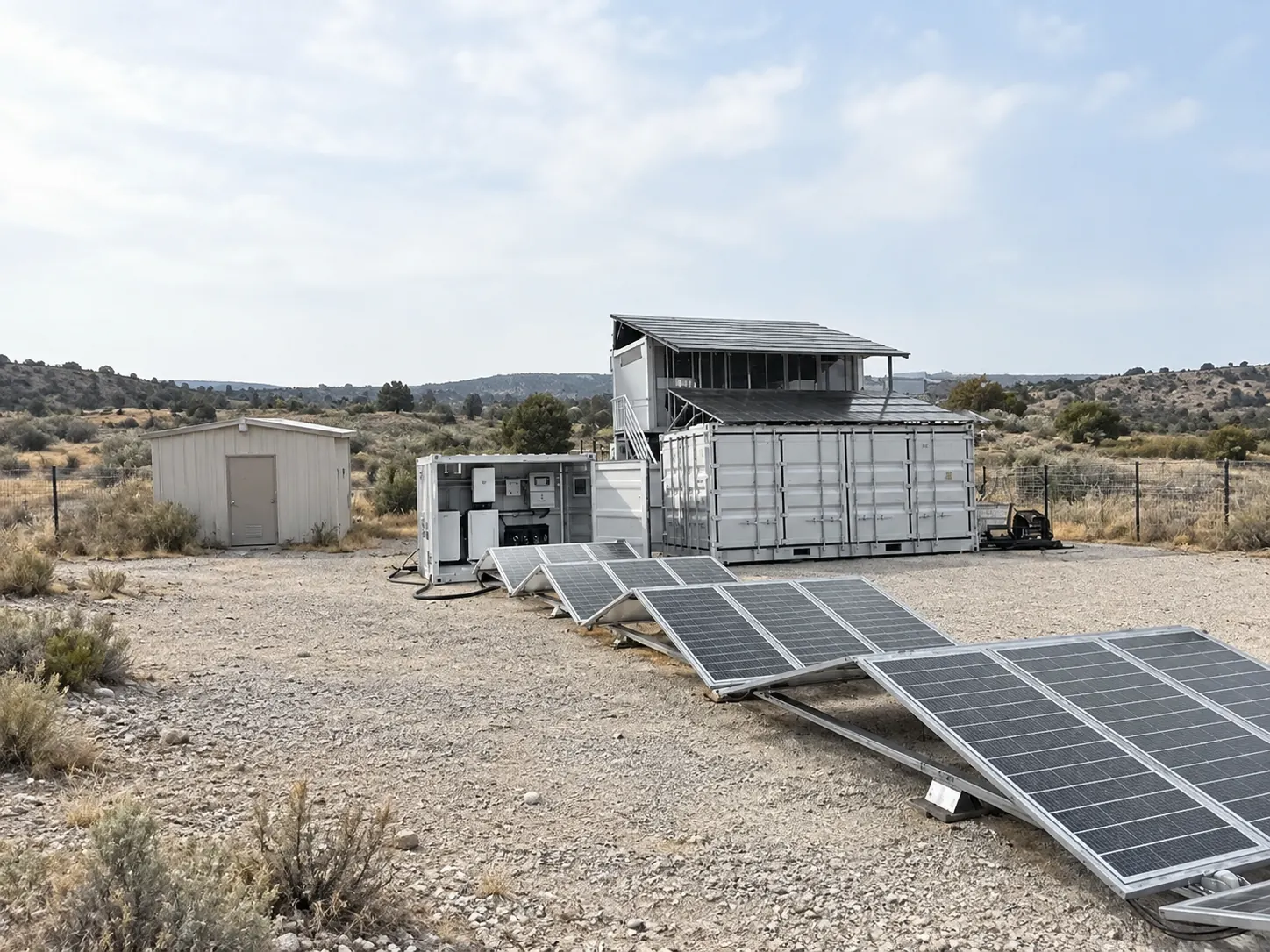
Islands & remote facilities
Compare daytime generation, evening storage and delivery access for facilities beyond the grid.
Discuss This Application1 / 3
CHOOSE FOR THE SITE
Your project defines the configuration.
Compact units, 20-foot containers and larger 40-foot systems. Different arrays and storage packages support different loads, delivery routes and operating schedules.
Compare the SpecificationsCompact systems
For smaller sites and selected essential loads.
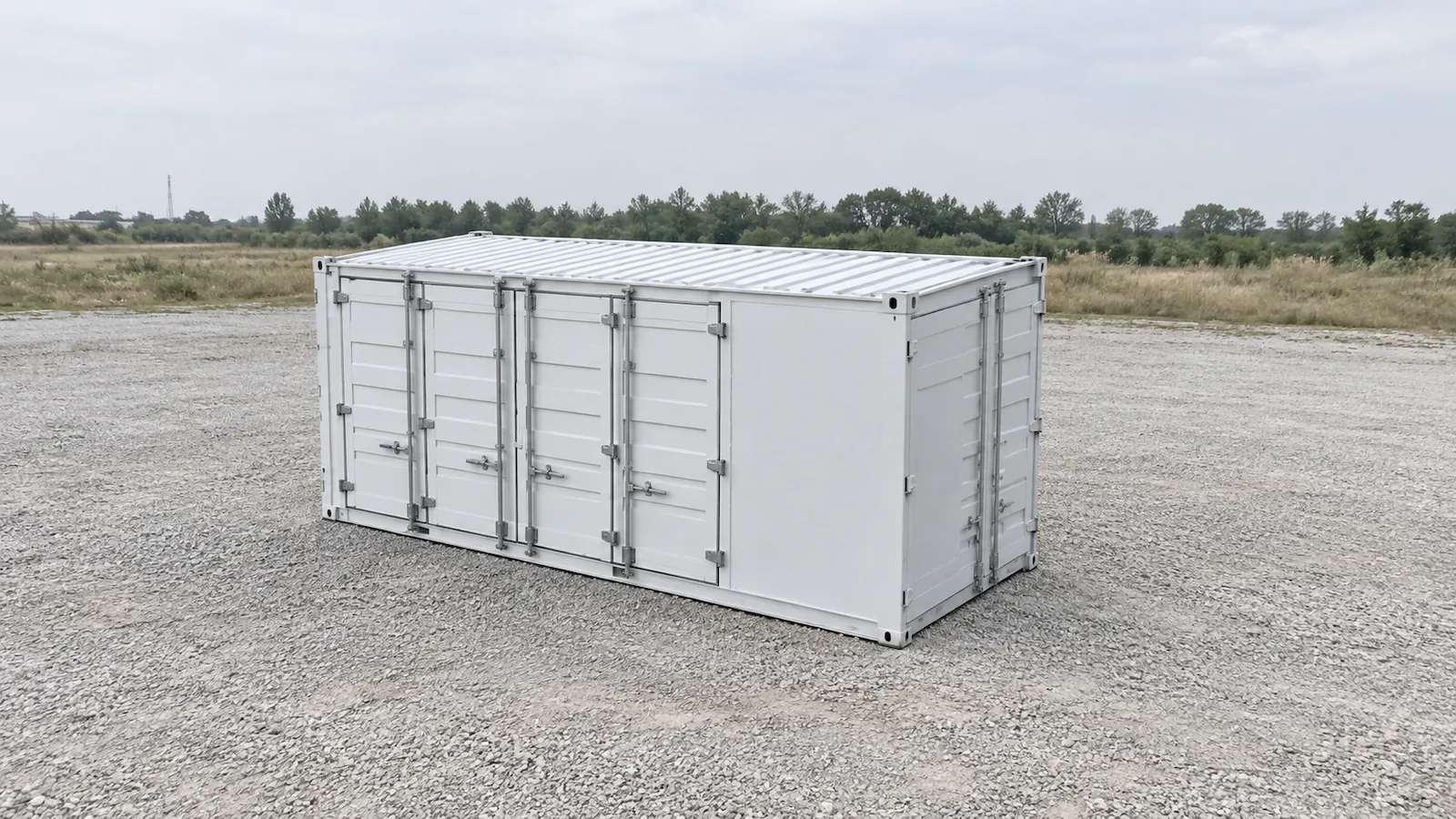
Compare PV, AC output and battery energy together. Compact options include different solar and storage packages.
20-foot systems
A larger array in a transportable format.
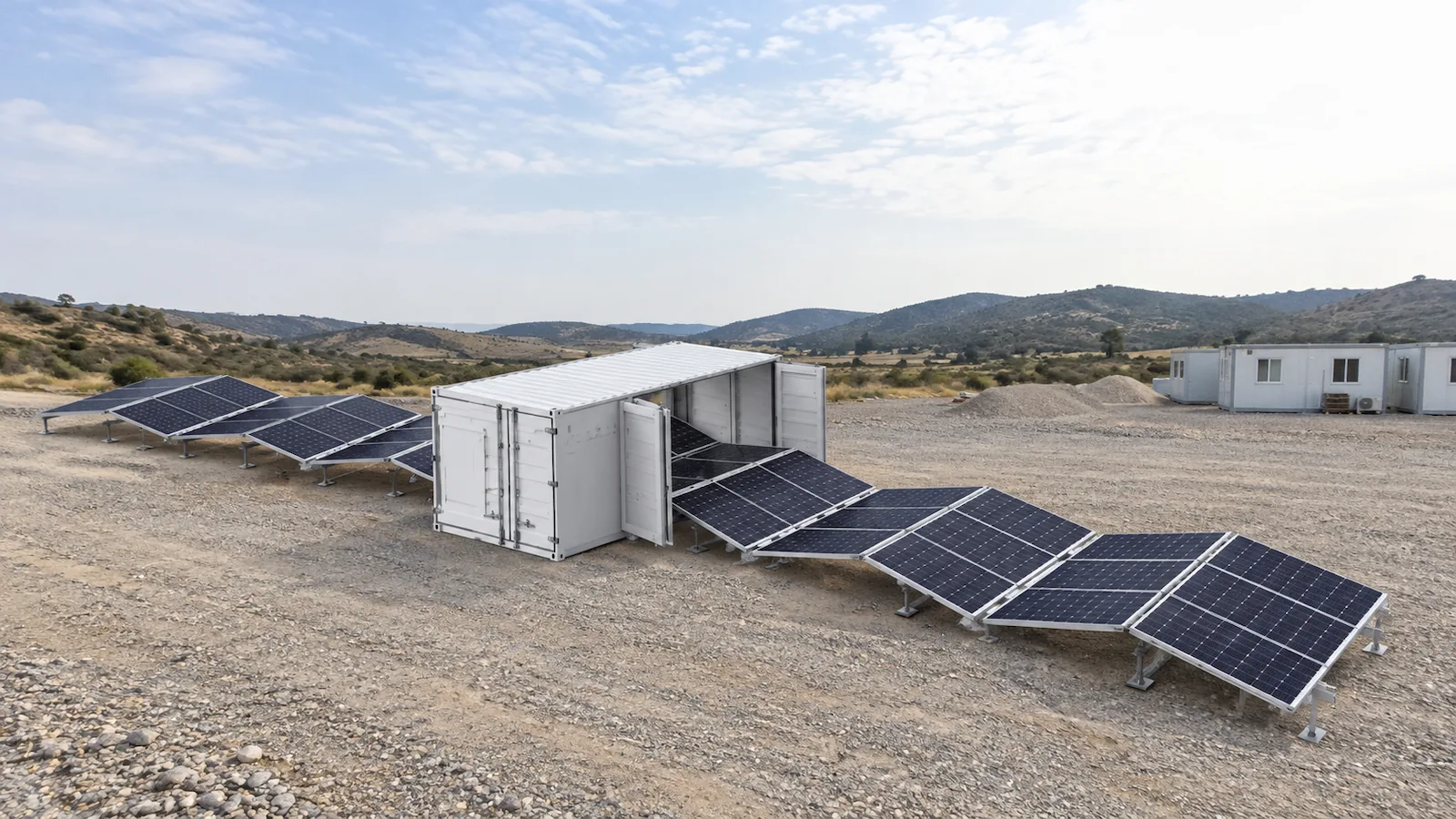
Choose the solar layout and conversion equipment around the site load, available ground and delivery access.
40-foot systems
Larger configurations for broader energy demand.
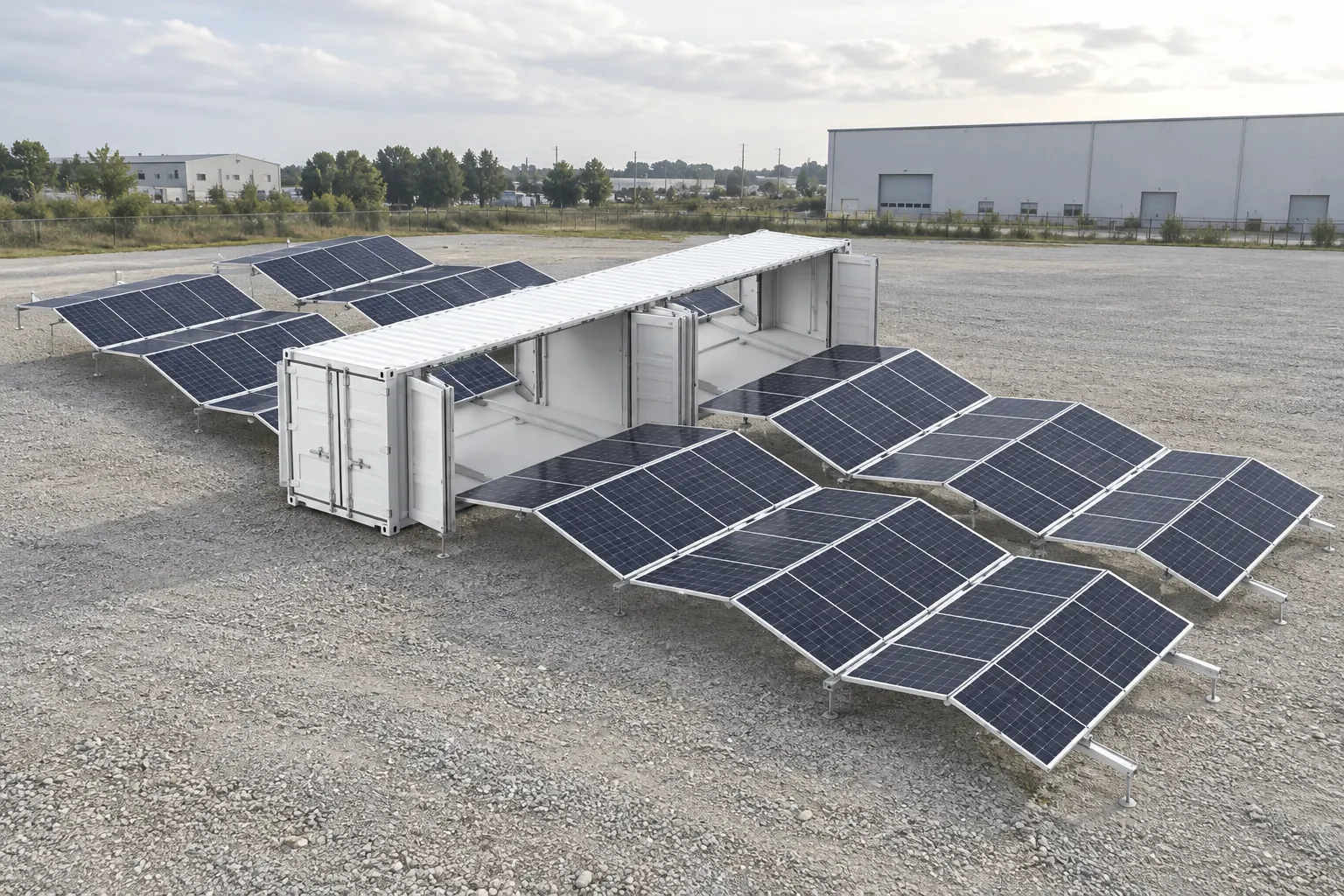
Review simultaneous loads and the full deployed area. Storage is specified separately where the selected configuration has no fixed package.
1 / 3
Source-based design illustrations. The examples below sit within a wider range of available configurations.
Compare the numbers that matter.
Representative configurations. PV, AC output and storage remain separate so you can compare the same load requirement.
Swipe to compare all ratings on a small screen.
| Configuration | Solar array | AC output | Battery energy |
|---|---|---|---|
| Compact · 20 kW AC | 20.16 kWp | 20 kW | 40 kWh nominal |
| Compact · 18 kW AC | 23.68 kWp | 18 kW | 64 kWh nominal |
| 20-foot · 50 kW AC | 56.76 kWp | 50 kW | 121 kWh nominal |
| 20-foot · 80 kW AC | 100.5 kWp | 80 kW | 261 kWh nominal |
| 40-foot · 180 kW AC | 204.16 kWp | 180 kW | Selected for the project |
| 40-foot · 160 kW AC | 201 kWp | 160 kW | 522 kWh nominal |
PV ratings for the compact 20 kW, 20-foot 50 kW and 40-foot 180 kW examples have a stated ±5% tolerance. Battery figures are nominal installed energy, not usable AC energy. Images are design illustrations and are not a specification for each table row.
Allow for the deployed array.
Example array dimensions include 39 × 4 m for the compact 20 kW AC configuration, 85 × 6 m for the 20-foot 50 kW AC configuration and 110 × 12 m for the 40-foot 180 kW AC configuration. Add unloading, access and required clearances.
Plan the complete installation.
Confirm transport dimensions, loaded weight, lifting, supports, protection and commissioning for the selected system. An unfolding time alone does not describe the complete setup.
See the deployment planning steps
Review the site and loads
Check daily demand, motor starting loads, ground space and existing power sources. Choose the equipment and deployment approach together.
Prepare access and supports
Agree unloading, ground preparation, panel supports or rails and cable routes. Complete the site work required for the selected system.
Deploy and connect
Follow the equipment instructions for unfolding and securing the array. Electrical connection and protection checks form part of the installation.
Commission the operating modes
Test the agreed solar, battery and grid or generator operation. Record settings, handover instructions and the procedure for future relocation.
Questions before you choose.
Can a mobile solar container supply power at night?
A configuration with suitable battery storage can supply evening loads. The run time depends on usable energy, reserve settings and the actual demand. For longer periods without solar, include a grid or generator backup plan.
How long does deployment take?
Ask for the schedule for the selected configuration and prepared site. Mechanical unfolding is only one stage. Unloading, supports or rails, electrical connection and commissioning take additional time. A 30-minute unfolding figure is not a promise of complete installation.
How much ground area is needed?
Use the deployed array dimensions for the selected configuration, then add access, unloading and required clearances. Available space, shading and ground conditions may change which system fits. A shipping container’s dimensions do not describe the unfolded solar footprint.
Can the system work with our diesel generator?
A compatible hybrid design can combine them. Share the generator rating, controller and supply voltage. Confirm switching, synchronization where required, and the intended control sequence before assuming that existing equipment can connect directly.
Is mobile solar suitable for a permanent site?
It can be considered, but compare it with a fixed PV installation. Relocation needs, available ground, construction work and the required operating period affect the choice. A fixed array may suit a site that has no need to move equipment.
What determines the price of a mobile solar power system?
PV capacity, AC output, battery energy, controls and delivery scope all affect the quote. Include freight, unloading, ground work, cables and commissioning when comparing proposals. Ask suppliers to price the same load schedule and operating requirement.
Can we choose a different PV or battery configuration?
Yes. The range includes compact, 20-foot and 40-foot options with different PV, AC and storage combinations. The examples above are not the whole range. Additional storage and equipment choices need a compatibility and installation review.
What should we confirm before transport and installation?
Confirm the final equipment dimensions, loaded weight, lifting instructions and delivery access. Also agree site preparation, protection, earthing, electrical connections and local requirements. The quotation should identify the work supplied by KUNETIC and the work completed on site.
Bring your site.
We will work through the power.
Loads, operating hours, location and available ground.
Estimates and nameplate photos are enough to begin.