
 English
 Deutsch
 Español
 Français
 Italiano
 Polski
 Română
 العربية
Use more of your solar power
Store surplus solar energy during the day for a later shift. Start by comparing your solar output with when the factory uses power. Check your existing inverter and site controls before adding battery storage.
OUTDOOR DC BATTERY CABINET
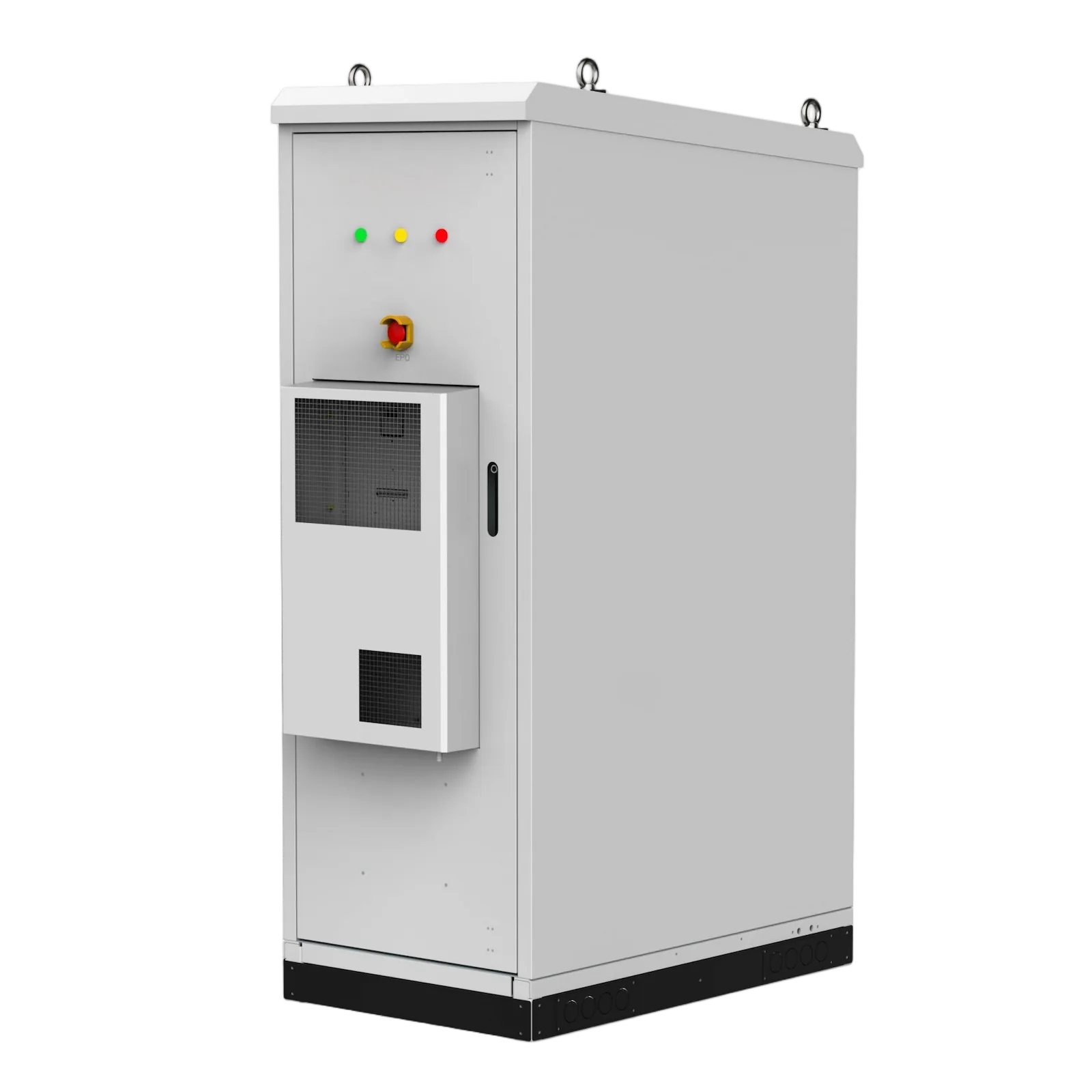
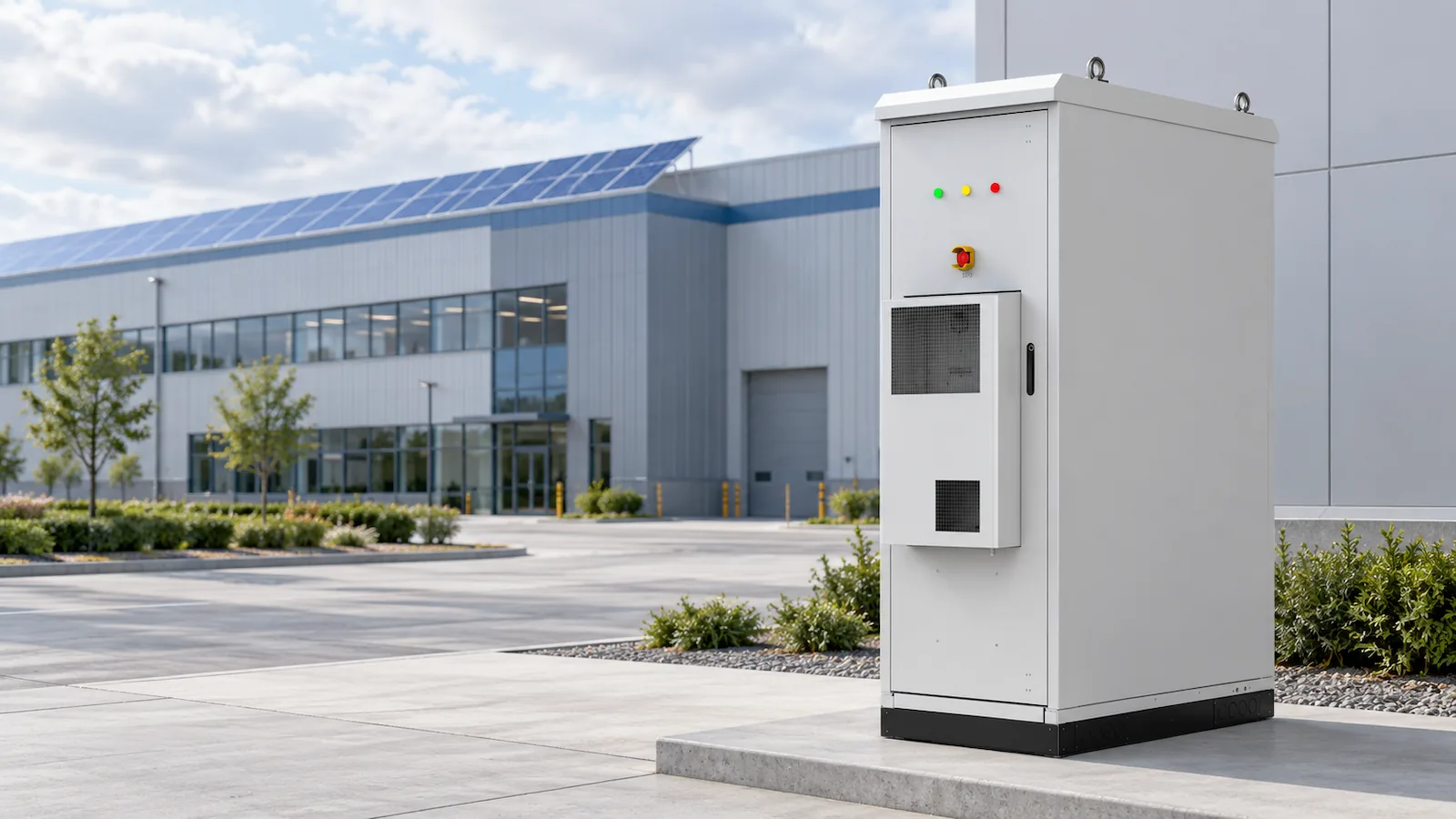
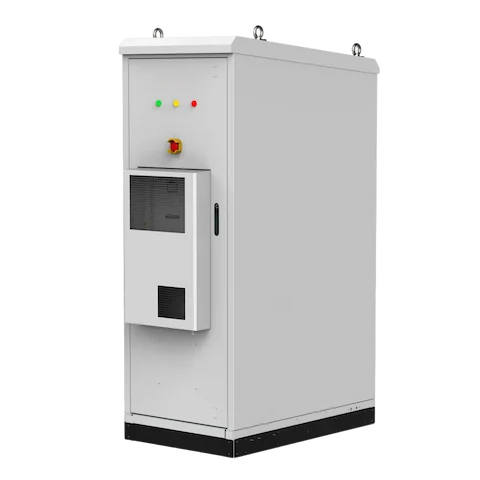
eBlock is an outdoor battery storage cabinet for factories and industrial sites. Each cabinet offers up to 120 kWh of installed battery capacity. Battery management and temperature control are built in. This is a DC battery cabinet. It needs an external power conversion system (PCS) to connect to your site’s AC power system. Explore the specifications below, or share your site needs for a project quote.
 120kWh Max. Installed Capacity
 336–432V DC Voltage Range
 LFP Battery Chemistry
 IP54 Outdoor Protection
Plan storage around your power use, solar output and the loads that matter most.
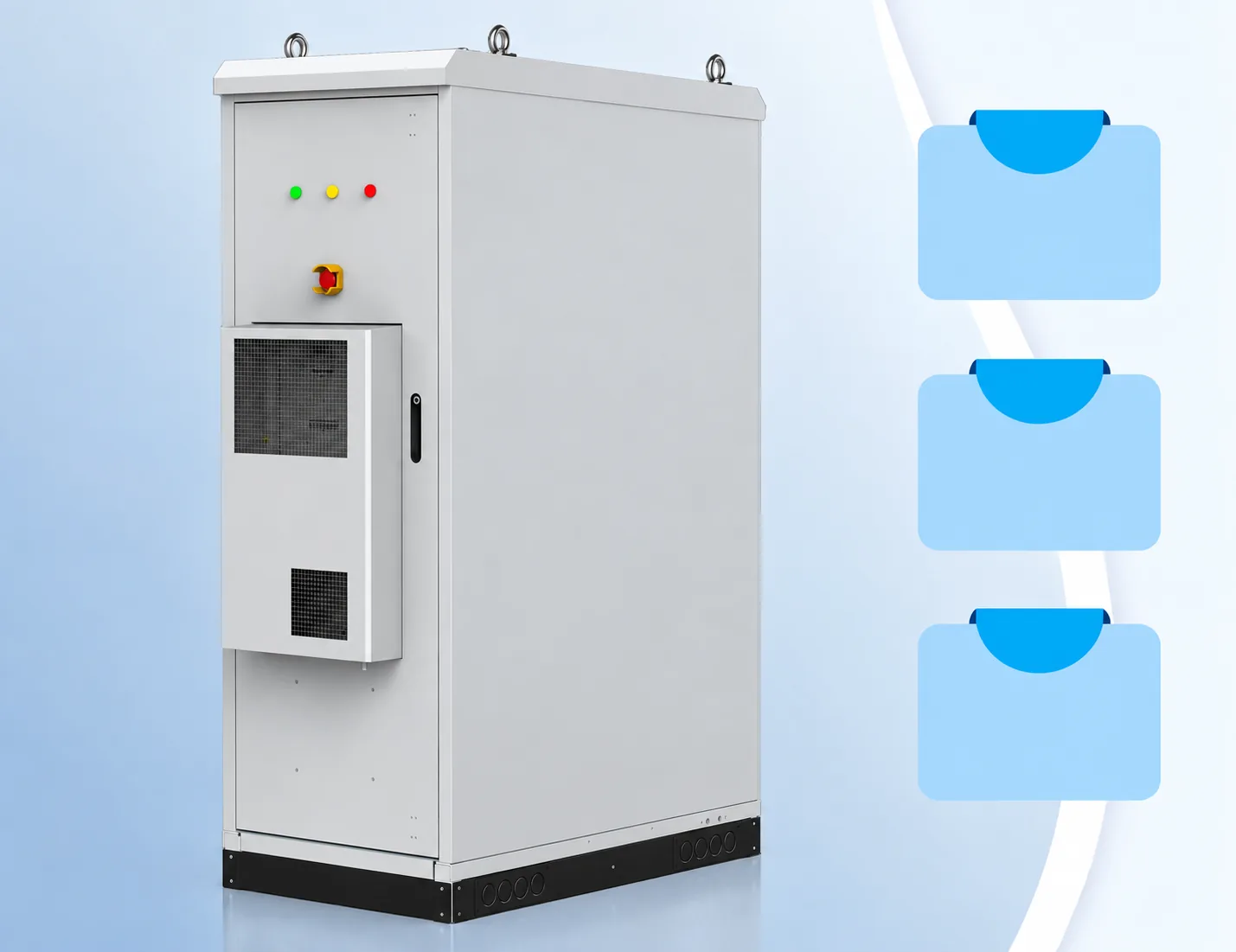


eBlock uses lithium iron phosphate (LFP) batteries. The cabinet houses the batteries, controls and cooling equipment in one unit. A battery management system (BMS) manages the battery system.
The open-cabinet view shows the battery system, control area and door-mounted temperature control unit.
Built-in heating, ventilation and air conditioning (HVAC) controls the cabinet environment. Plan space for airflow and service access before you choose its location.
The cabinet includes smoke, temperature and flood detection. It also has automatic fire suppression. Check the equipment scope for your chosen model in the project quote.
The catalogue shows one, two and four cabinets. Use these layouts to discuss the space and capacity your site needs.
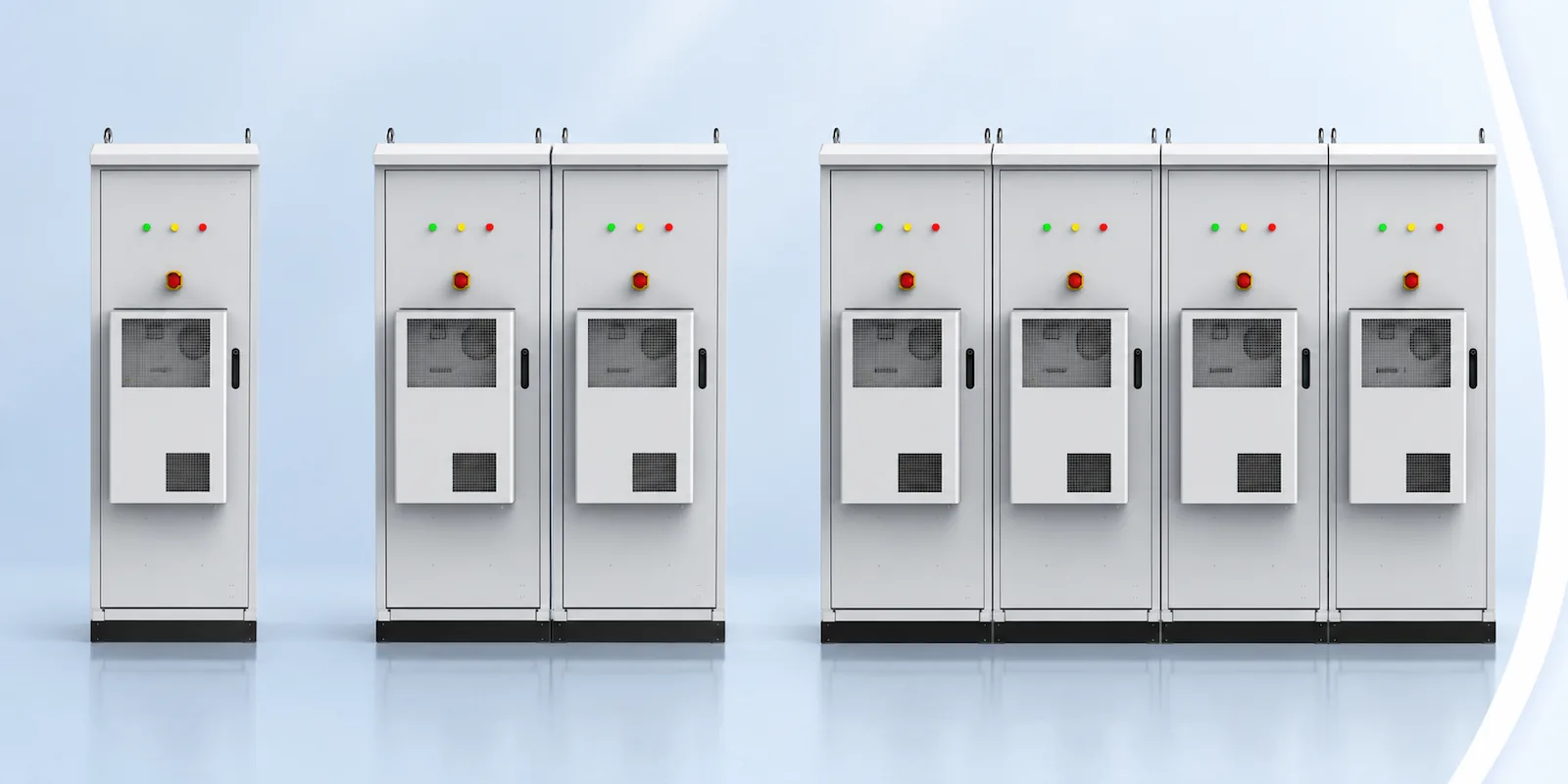
These figures show maximum installed capacity. Usable energy will differ. kWh measures energy; kW measures power. The battery limits and chosen PCS determine system power. Confirm connections and equipment before ordering.
Read the storage sizing guideA battery energy storage system needs more than a battery cabinet. With suitable power conversion and controls, your project can target the uses below.
Store surplus solar energy during the day for a later shift. Start by comparing your solar output with when the factory uses power. Check your existing inverter and site controls before adding battery storage.
Use stored energy during peaks in site demand to reduce power drawn from the grid. This may help where your tariff includes demand charges. Your load data, peak duration and battery power limits will guide the design.
Plan a backup power supply around the equipment you need to keep running. The complete system needs a suitable PCS, switching and controls. Share each load’s power needs and required run time. The battery cabinet alone cannot provide backup.
eBlock stores DC energy. An external PCS converts power between the battery and the site’s AC system.
LFP batteries, battery management, HVAC, detection and automatic fire suppression.
The external PCS, switching and site controls must work with your battery voltage and loads. Energy management also depends on how you want to charge and use the stored power.
Compare the catalogue specifications for eBlock-120F and eBlock-120F2.
| Battery chemistry | Lithium iron phosphate (LFP) |
| Battery configuration | 1P120S |
| Maximum installed capacity | 120 kWh |
| DC voltage range | 336–432 Vdc |
| Battery management | Built-in BMS |
| Dimensions, L × D × H | 1315 × 750 × 2095 mm, including HVAC |
| Enclosure material | 304 stainless steel |
| Surface protection | Corrosion-resistant paint |
| Ingress protection | IP54 |
| Operating temperature | −20°C to 45°C |
| Installation altitude | Below 2,000 m |
| Relative humidity | 0–95%, non-condensing |
| Thermal management | Built-in HVAC |
| Smoke detection | Included |
| Temperature detection | Included |
| Flood detection | Included |
| Fire protection | Automatic fire suppression system |
| Listed control / distribution accessory | PDU |
| Catalogue gross weight | 1450 kg |
| Battery chemistry | Lithium iron phosphate (LFP) |
| Battery configuration | 1P120S |
| Maximum installed capacity | 120 kWh |
| DC voltage range | 336–432 Vdc |
| Battery management | Built-in BMS |
| Dimensions, L × D × H | 1315 × 750 × 2095 mm, including HVAC |
| Enclosure material | 304 stainless steel |
| Surface protection | Corrosion-resistant paint |
| Ingress protection | IP54 |
| Operating temperature | −20°C to 45°C |
| Installation altitude | Below 2,000 m |
| Relative humidity | 0–95%, non-condensing |
| Thermal management | Built-in HVAC |
| Smoke detection | Included |
| Temperature detection | Included |
| Flood detection | Included |
| Fire protection | Automatic fire suppression system |
| Listed control / distribution accessory | Rack controller |
| Catalogue gross weight | 1430 kg |
Source: eBlock Series Battery Cabinet catalogue, December 2025. Check final capacity and included equipment in your project quote.
 Technical Data
Downloads
Download cabinet details and compare the two model specifications.
Use these answers to prepare for a site assessment.
Run time depends on the load and usable battery energy. Installed capacity is not the energy available at the AC output. Allow for system losses and operating limits. Share the load in kW and the hours you need it to run. We can then review the battery and PCS sizing.
It can form the battery storage part of a solar project. First, check the existing inverter, battery voltage and site controls. Send your inverter model and a system diagram if you have one. These details help the project team check whether the equipment can work together.
No. eBlock is a DC battery cabinet and requires an external PCS. For backup power, the design also needs suitable switching and controls. Tell us which loads must keep running, their starting power needs and how long a power break they can accept.
It may help if your tariff charges for peak demand. Start with recent bills and load readings across the day. The size and length of each peak affect the result. Energy prices, losses and project costs also matter. Battery capacity alone cannot show savings or payback.
Start with your site country, recent power bills and production hours. Add load data if you have it. For a solar project, include the solar capacity and inverter model. For backup, list the key loads and run time needed. Site photos and an electrical diagram also help.
Tell us about your site load, PV capacity, backup requirements, or target project size. Our engineers will help configure the right system for your needs.
eBlock 120kWh Outdoor Battery Storage Cabinet
Datasheet request
Request received. We will send the datasheet shortly.
eBlock 120kWh Outdoor Battery Storage Cabinet
Product inquiry
Tell us about your site load, PV capacity, backup requirements, or target project size. Our engineers will help configure the right system for your needs.
Inquiry received. Our team will respond shortly.