
 English
 Deutsch
 Español
 Français
 Italiano
 Polski
 Română
 العربية
Reduce Peak Grid Imports
Charge before a recurring demand peak and discharge when the facility needs more power. A schedule based on interval-meter data helps target storage at the part of the load that drives peak import demand.
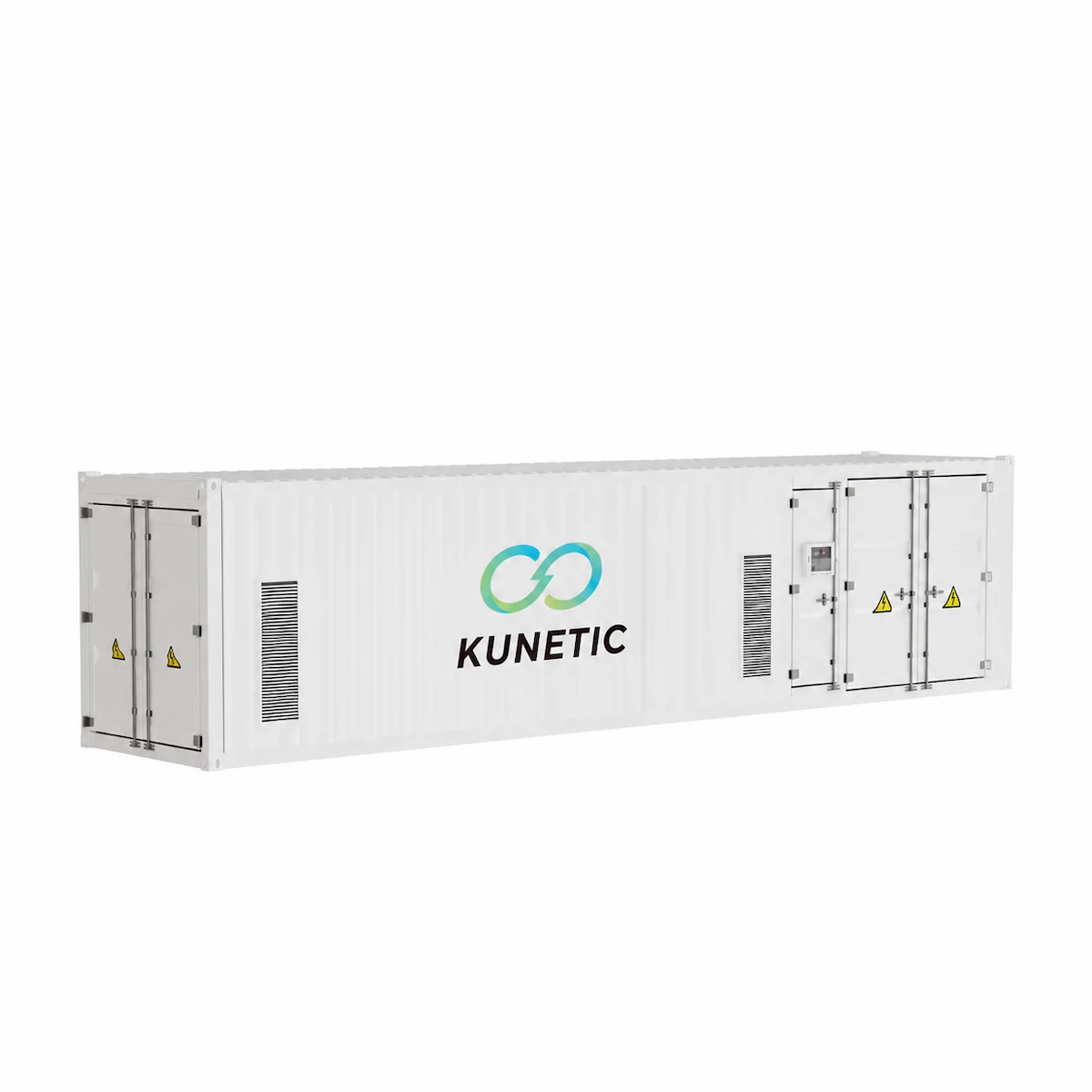
COMMERCIAL & INDUSTRIAL BESS
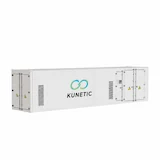
Manage factory demand peaks and store energy for later shifts. This containerized battery energy storage system combines 1MW of AC output with 2.41MWh of nominal LFP battery energy in a 40ft enclosure. It provides storage for larger commercial sites that need to reduce peak grid imports or use surplus solar generation later in the day. The battery uses 314Ah LFP cells, with air cooling and integrated fire suppression. A pre-assembled container reduces battery-module handling at the site and brings the main storage equipment into one outdoor package. Plan it around the loads you want to support, the duration you need and your site's electrical connection.
 1 MW Rated AC Output
 2.41 MWh Nominal LFP Energy 314 Ah LFP Cell Capacity
 40ft / IP55 Container Format
ENERGY FOR YOUR BUSINESS
Production equipment, refrigeration and building services can push a site's demand higher for a limited part of the day. A 1MW battery storage system can discharge during those periods to reduce the power drawn from the grid. For facilities with a demand-based electricity tariff, that makes the timing of battery use as important as its capacity.
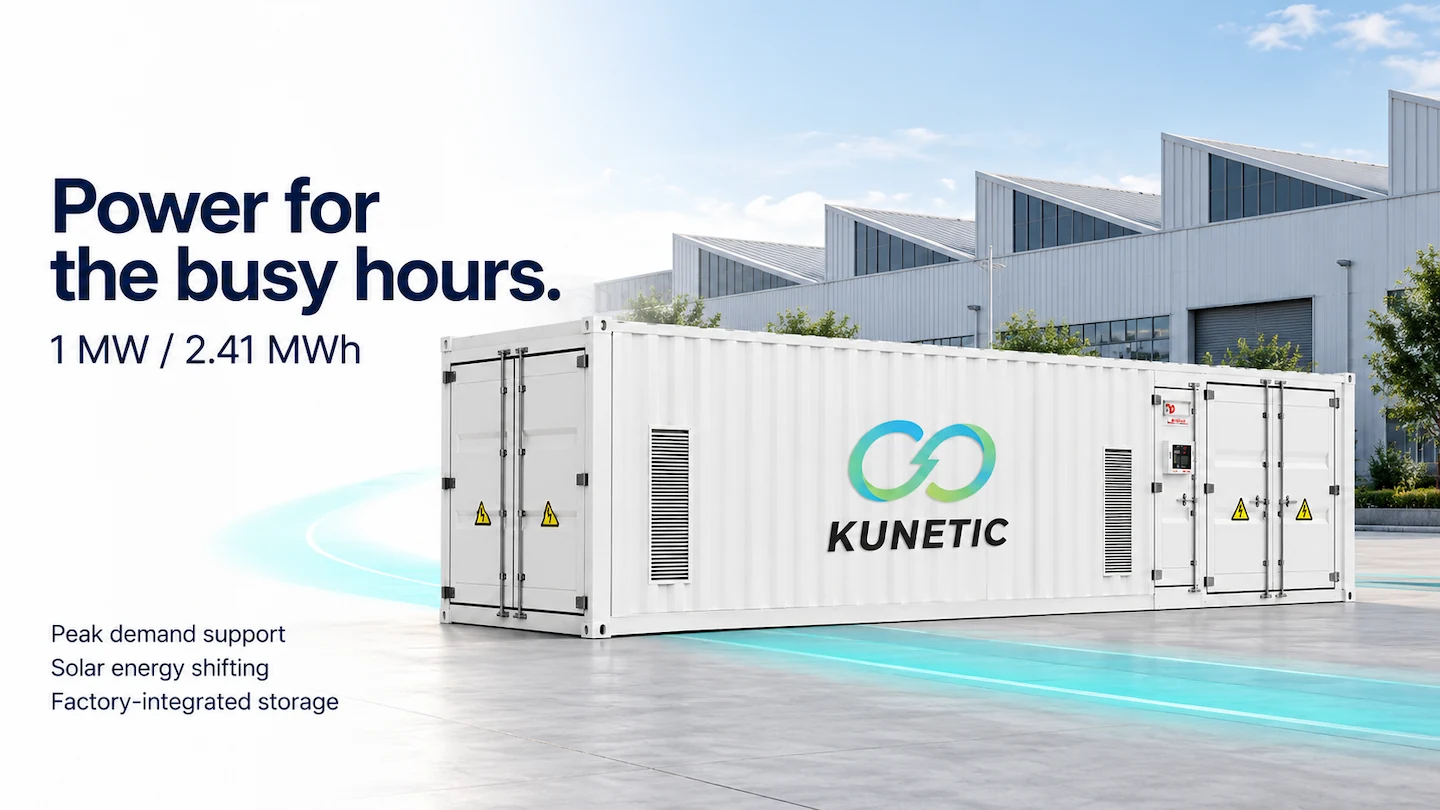
Charge before a recurring demand peak and discharge when the facility needs more power. A schedule based on interval-meter data helps target storage at the part of the load that drives peak import demand.
For a factory with daytime solar generation and later production shifts, storage can hold surplus generation for use after solar output falls. Where time-of-use tariffs offer a suitable price difference, charge and discharge schedules can also be set around those periods.
POWER × ENERGY
The 1MW AC rating describes the system's power capability. The 2.41MWh battery rating describes nominal stored energy. Comparing both helps you select industrial battery storage for the load and operating window you need.
Dividing nominal energy by the chosen discharge power gives a useful first comparison:
Nominal energy ÷ constant load
These are nominal energy-to-load ratios, before the operating depth of discharge, conversion losses and reserves. Actual duration is shorter and depends on the load profile and operating settings. Use the required working window and usable energy range to size the system.
THE STORAGE PLATFORM
The battery platform uses 314Ah LFP cells and operates at a nominal 768V. Ten battery clusters form the 2.41MWh configuration, paired with 1MW of rated AC output.
Air cooling manages the enclosure environment. The container includes an IP55 system enclosure and perfluorohexanone fire suppression. Consider service access, local ambient conditions and routine inspection when choosing the installation location.
This configuration uses a 380/400V, three-phase, 50Hz AC connection. For a commercial solar project, the integration design connects the BESS with the site's distribution, metering and solar equipment. Charging and discharging can then be planned around the facility's generation and demand profile.

An existing solar installation and a new solar-plus-storage project may need different interfaces and control arrangements. Share the existing inverter information, the connection voltage and your desired operating schedule so the proposal can address the equipment already on site.
For an outage-backup requirement, identify the essential loads and their starting characteristics. This lets the storage and switching design address the loads that matter to the operation. Backup capability and transfer performance should be selected for that requirement.
FROM THE LOAD PROFILE TO THE SITE
Use storage around the working pattern of the facility. The power requirement, daily energy window and available installation area help determine whether this 1MW platform is the right fit.
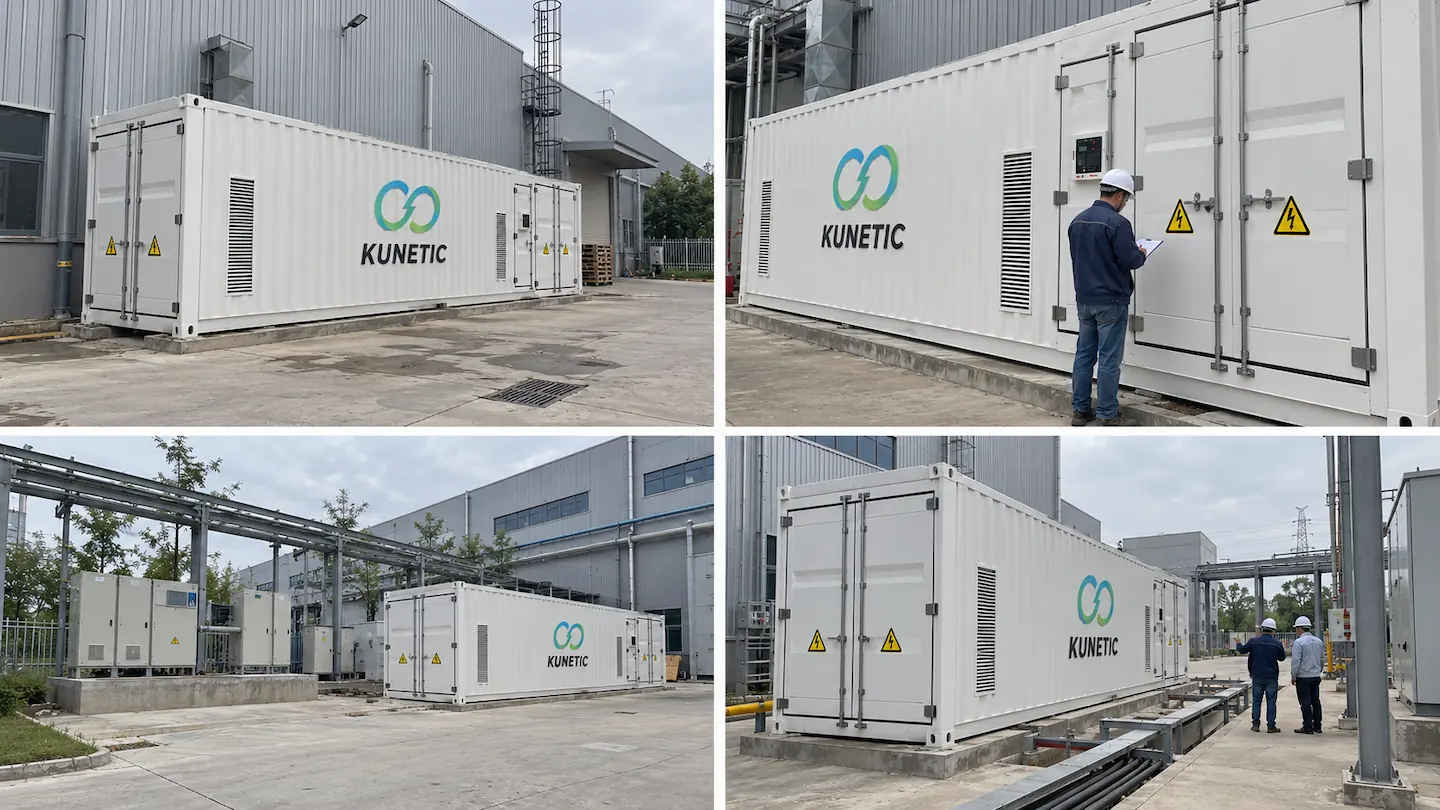
Support planned demand management around production shifts and periods of high electrical load. Use interval-meter data to identify the power and duration needed above the target import level.
Store surplus generation for later use and coordinate the storage schedule with the facility's working hours. Include the existing inverter information and the expected surplus generation in the sizing assessment.
Assess a shared storage location against site demand, distribution capacity and the loads the project needs to serve. Plan delivery and service access alongside the electrical connection.
PRE-INTEGRATED. SITE-PLANNED.
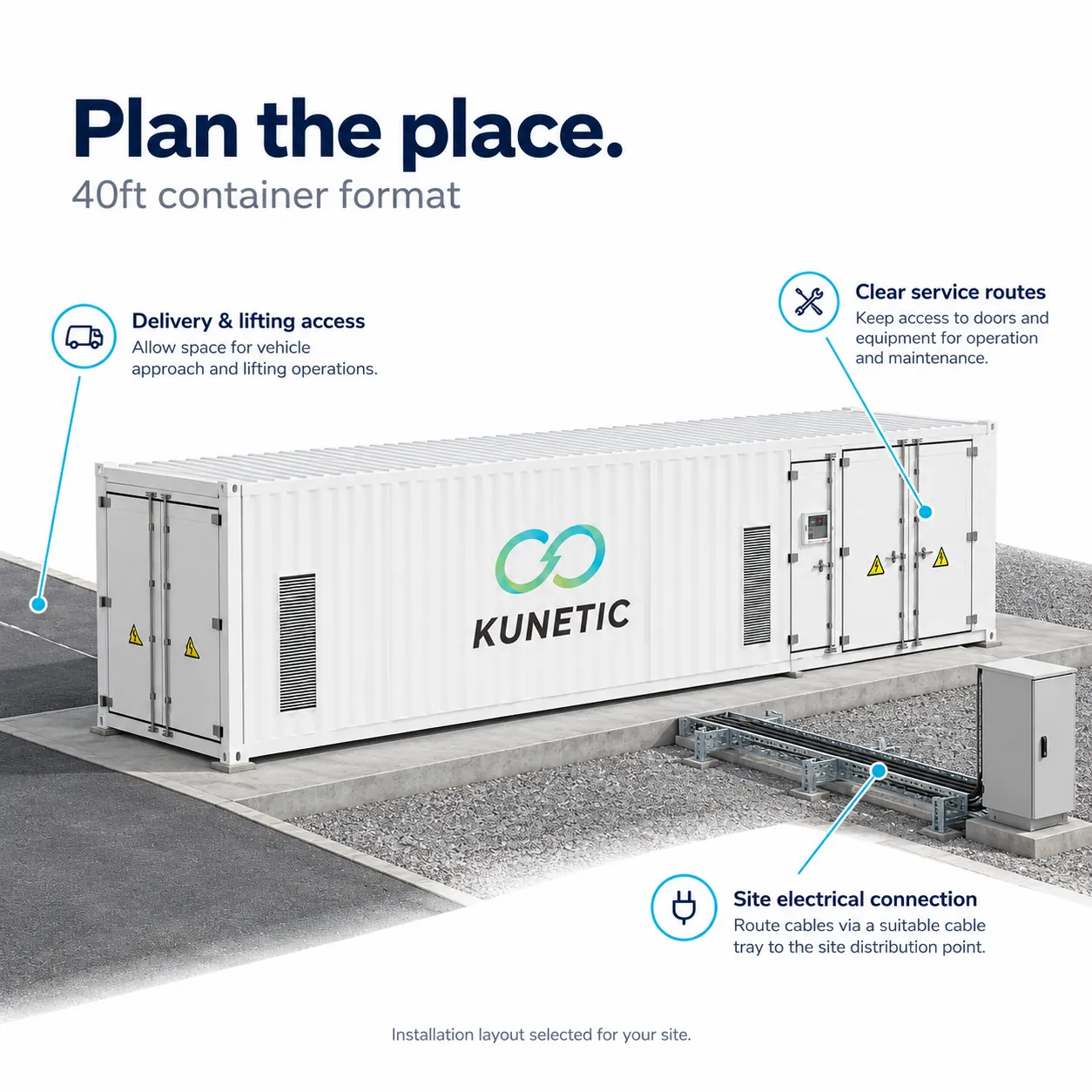
The pre-assembled system brings the battery, power conversion, cooling and fire protection into a container format. Fewer individual battery modules need to be handled at the destination, helping simplify the sequence from delivery to installation.
Include the delivery route, lifting position, foundation and service access in the site layout from the beginning. Keep access to doors and cooling equipment clear. The right location makes delivery easier and gives the maintenance team room to work throughout the system's service life.
For a lower power requirement, compare our 500kW battery storage container. Our 750kW / 2.17MWh system offers a separate battery-and-power-cabin arrangement. This 1MW / 2.41MWh product uses a 40ft container format for sites requiring the higher output level.
Send the installation country, site voltage, recent interval-meter data and existing solar equipment details. Include the hours you want storage to cover. These inputs let us prepare a proposal around the facility's actual operating requirements.
Technical Specifications
Engineering data from the product sheet.
| Rated AC output | 1MW |
| Nominal battery energy | 2.41MWh |
| Cell chemistry and capacity | LFP, 3.2V / 314Ah |
| Nominal battery voltage | 768V |
| Battery operating voltage | 720–850V |
| AC voltage | 380/400V, 3W+N+PE |
| Rated frequency | 50Hz |
| Container format | 40ft |
| System enclosure protection | IP55 |
| Cooling | Air cooling |
| Fire suppression | Perfluorohexanone |
| Operating depth of discharge | 80–90% |
| Charging temperature | 0–55°C |
| Discharging temperature | −10–60°C |
| Operating humidity | 5–85% RH |
 Technical Data
Downloads
Get the system data and configuration information for your industrial storage project. Share your location, load requirement and connection voltage with the request.
No. Megawatts describe power, while megawatt-hours describe stored energy. This system combines 1MW of AC output with 2.41MWh of nominal battery energy. Comparing both figures helps you select storage for the power level and operating duration you need.
The answer depends on the load. Nominal energy divided by a 1MW discharge level is 2.41 hours, before the operating depth of discharge, losses and reserves. A lower load uses the stored energy more slowly. Send the load profile and required operating window for a useful sizing assessment.
The equipment uses a 40ft container. The installation layout also needs space for access, cooling, delivery and maintenance. A site drawing or photos of the proposed location will help assess the arrangement; the container footprint alone is not the full installation area.
Commercial solar integration can be planned around the site's existing inverters, connection voltage and energy-use pattern. Include the solar equipment information and whether the priority is reducing peak imports or using more generation later in the day.
The electrical connection, control functions, site conditions and equipment included in the supply all affect the project price. Tell us where the system will be installed and the operating job it needs to perform so we can prepare a relevant proposal.
Send your load profile, installation location, connection voltage and required working hours. We will help you assess whether the 1MW / 2.41MWh container fits your project and discuss a suitable configuration.
KUNETIC 1MW / 2.41MWh Containerized Battery Energy Storage System
Datasheet request
Request received. We will send the datasheet shortly.
KUNETIC 1MW / 2.41MWh Containerized Battery Energy Storage System
Product inquiry
Tell us about your site load, PV capacity, backup requirements, or target project size. Our engineers will help configure the right system for your needs.
Inquiry received. Our team will respond shortly.