
 English
 Deutsch
 Español
 Français
 Italiano
 Polski
 Română
 العربية
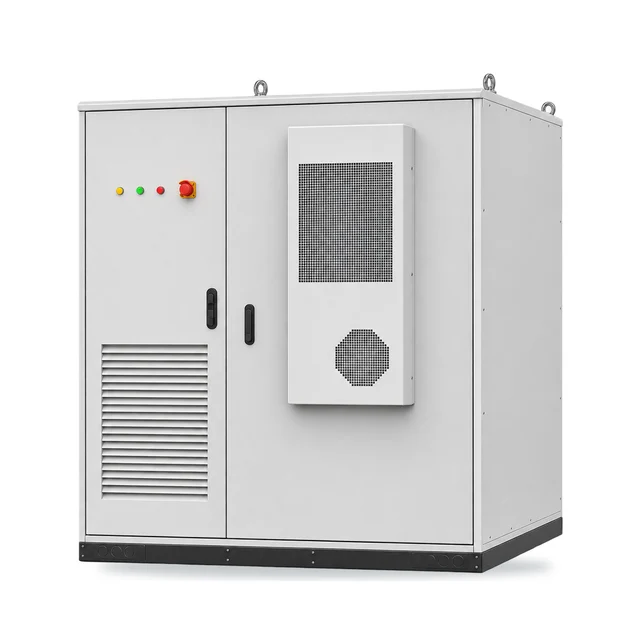
261FAir-cooled
Optional 120 kW MPPT
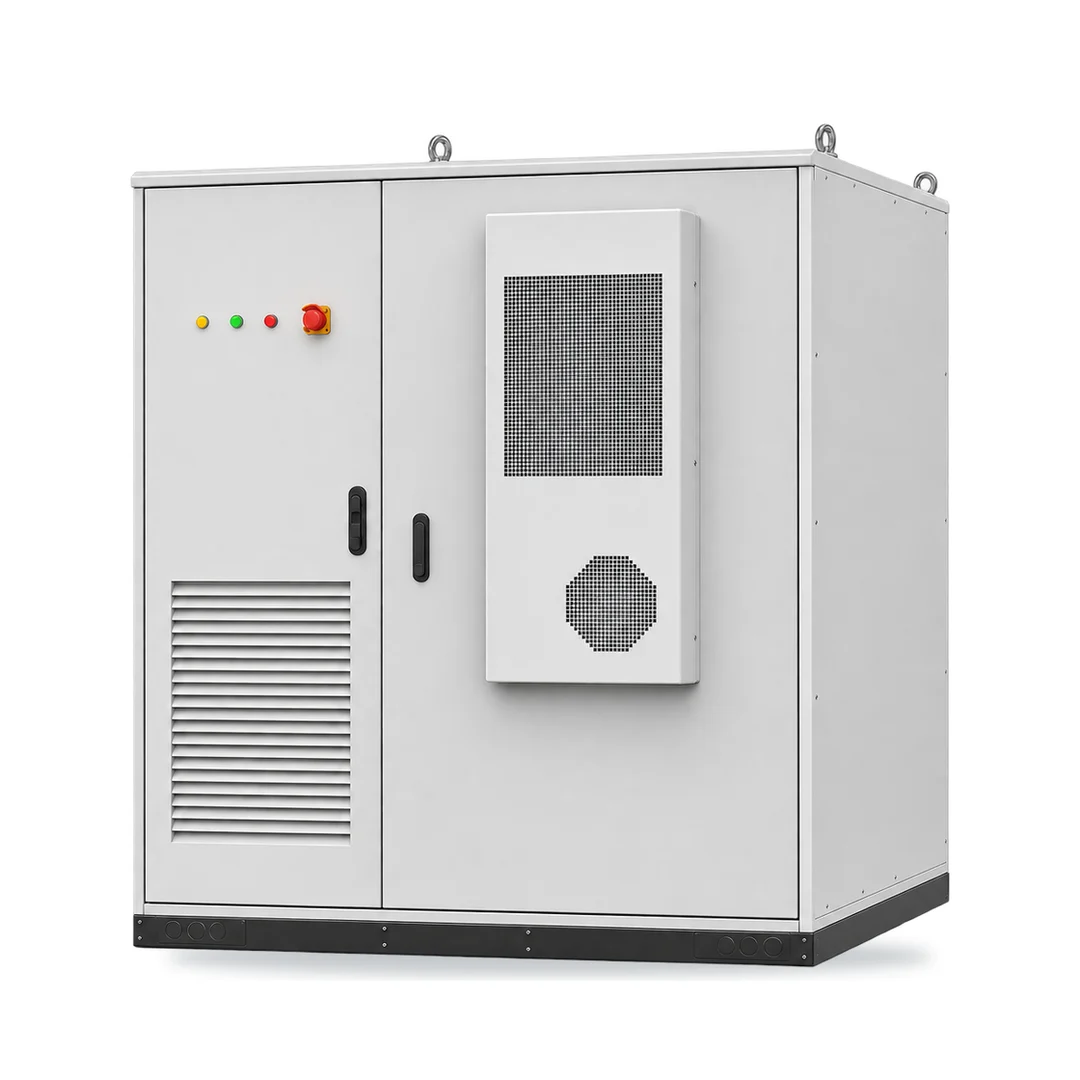
OUTDOOR COMMERCIAL ENERGY STORAGE
The K-eBank 261F combines a 261 kWh LFP battery and a 125 kVA three-phase power conversion system (PCS) in one air-cooled outdoor cabinet. Use it to store surplus rooftop solar energy for later shifts or discharge it when electricity demand rises. Add the optional 120 kW solar MPPT if you want to connect a compatible solar array directly to the cabinet.
 125 kVA Rated AC Power
 261 kWh Nominal LFP Energy
 IP54 Outdoor Enclosure
 120 kW Optional Solar MPPT
Built for commercial solar and storage
The battery and power conversion equipment share one cabinet. For factories comparing commercial battery storage, start with two separate requirements: how much energy you want to shift and how much power the site draws when its equipment runs together.

The IP54 enclosure uses air cooling and can be sited in a suitable outdoor equipment area. Check how air can move around the cabinet and how service staff will reach it when choosing the location.

The 261F supports parallel operation. If you expect another production line or a longer operating shift, plan the space, switchgear and controls for additional cabinets when you size the first installation.

Two ways to connect PV

The optional 120 kW MPPT tracks the solar array's output and lets a compatible array feed the cabinet on the DC side. For a factory with surplus midday generation and a later production peak, that stored energy can help reduce grid draw as demand rises.
If a PV inverter already feeds the building's AC distribution, review the existing inverter, metering and connection point before choosing a configuration. Bring the site's demand and generation profiles so the team can check whether enough surplus is available ahead of the period you want to cover.
Model selection
Compare cooling, AC ratings and direct solar input across three commercial storage cabinets.
Optional 120 kW MPPT


The 261F is rated in kVA. Compare active power in kW at your site's operating power factor.
Commercial and industrial sites

On a site where several production lines start together, schedule discharge around the periods that set the facility's highest grid demand. Use interval demand readings to see how high each peak is and how long it lasts.
A warehouse with rooftop solar can store energy left after daytime operations and use it when sorting lines or lighting continue into the evening. Compare the afternoon surplus with the energy the next shift needs. Explore storage for warehouses and logistics sites.
For buildings where cooling demand or tariff rates rise late in the day, schedule charging around available solar or lower-rate periods. Use the building's meter data and tariff to decide when discharge would be most useful.

Warehousing & logistics
Store available daytime solar for evening sorting lines, lighting and other site loads.
Application conceptTechnical Specifications
Engineering data from the product sheet.
| Battery chemistry | Lithium iron phosphate (LFP) |
| Rated energy | 261 kWh |
| Nominal battery voltage | 832 V DC |
| Battery voltage range | 728–936 V DC |
| Rated battery charge and discharge power | 125 kW |
| Rated AC apparent power | 125 kVA |
| Rated AC voltage | 230/400 V, 3L/N/PE |
| Rated frequency | 50/60 Hz |
| Direct solar input | Optional 120 kW MPPT |
| Cooling | Air cooling |
| Enclosure rating | IP54 |
| Dimensions (W × D × H) | 1,850 × 1,355 × 2,250 mm |
| Cabinet base area | Approx. 2.51 m² |
| Weight | Approx. 2,670 kg |
| Operating ambient temperature | −20 to 55 °C |
| Installation altitude | Below 2,000 m |
 Technical Data
Downloads
Request the cabinet specifications for your project. If you're planning direct solar input, include the proposed array size so we can review the MPPT option with you.
The 120 kW MPPT is optional. Specify it when you want a compatible solar array to connect directly to the cabinet.
An AC-connected solar system may be suitable. Share the existing inverter model and electrical layout so the team can check how the inverter, cabinet and site metering would work together.
The 125 kVA rating describes the apparent power on the AC side. The 261 kWh rating describes the nominal energy stored in the battery. For a runtime estimate, start with the site's load in kW and account for the usable battery energy, reserve and conversion losses.
The cabinet stands 2.25 m high on a base of about 2.51 m². Plan additional room for door swing, airflow and servicing, and check that the delivery route and lifting equipment can accommodate a cabinet weighing about 2,670 kg.
OEM / ODM support
For multi-site projects and distribution programmes, share your target market, expected volume and requirements for branding, electrical interfaces and documentation.
Send your installation location, site supply voltage, load profile and current or planned solar capacity. We can help shortlist a cabinet and identify the options your project needs.
261kWh Commercial BESS Cabinet
Datasheet request
Request received. We will send the datasheet shortly.
261kWh Commercial BESS Cabinet
Product inquiry
Tell us about your site load, PV capacity, backup requirements, or target project size. Our engineers will help configure the right system for your needs.
Inquiry received. Our team will respond shortly.